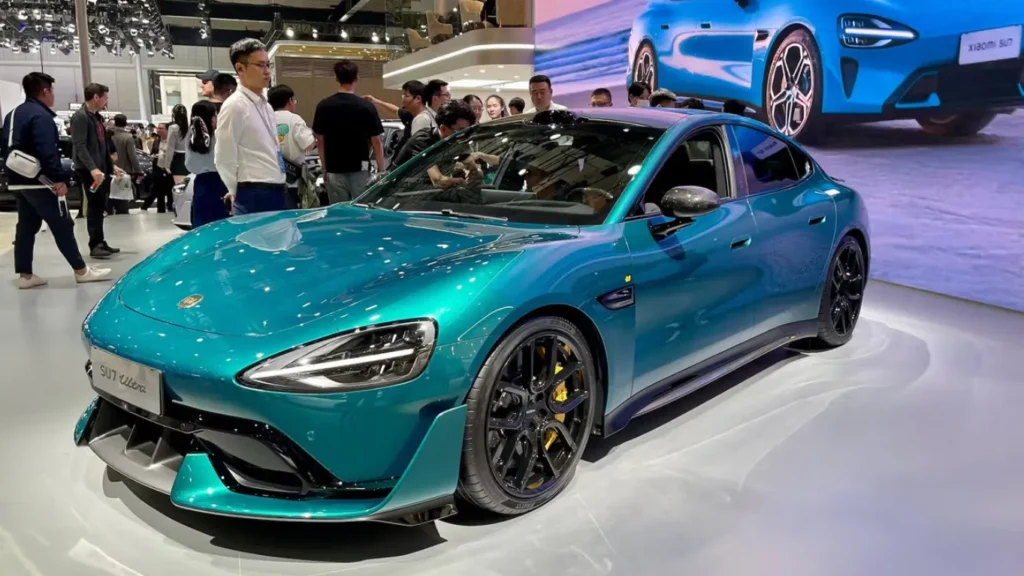

The global automotive industry is undergoing one of the most significant transformations in its history. Technological advancements, changing consumer preferences, environmental regulations, and evolving business models are reshaping how vehicles are designed, manufactured, and sold. As countries push toward cleaner transportation and digital innovation, automakers are investing billions of dollars in electric vehicles (EVs), autonomous driving systems, artificial intelligence (AI), and connected mobility solutions. Despite economic uncertainties and supply chain disruptions experienced in recent years, the automotive sector continues to demonstrate resilience. Manufacturers are diversifying production, strengthening supply chains, and embracing digital technologies to remain competitive in an increasingly dynamic market. The future of the automotive industry extends beyond simply building cars. Mobility services, software-defined vehicles, smart manufacturing, and sustainable production practices are becoming major drivers of growth. Governments worldwide are also supporting the transition through incentives, stricter emissions regulations, and investments in charging infrastructure. This article explores the global automotive industry outlook, highlighting emerging trends, market opportunities, technological innovations, and the key challenges shaping the future of transportation.
Current State of the Global Automotive Industry
The automotive industry remains one of the world’s largest economic sectors, generating trillions of dollars in annual revenue and employing millions of people across manufacturing, engineering, logistics, and retail. Major automotive markets include China, the United States, Germany, Japan, India, and South Korea. While traditional internal combustion engine (ICE) vehicles continue to dominate global sales, electric vehicles are steadily capturing a larger share of the market. Many established manufacturers are expanding their EV portfolios while innovative startups continue introducing advanced electric models. The industry has largely recovered from semiconductor shortages and pandemic-related disruptions, although geopolitical tensions, inflation, and raw material costs continue to influence manufacturing operations. Increasing consumer demand for safer, smarter, and environmentally friendly vehicles is encouraging manufacturers to accelerate research and development efforts while investing in future-ready technologies.
Rise of Electric Vehicles (EVs)
Electric vehicles remain the largest growth segment within the global automotive industry. Governments across the world are introducing tax incentives, stricter emission standards, and investments in charging infrastructure to encourage EV adoption. Improvements in lithium-ion battery technology have significantly increased driving range while reducing charging times and overall ownership costs. Battery prices continue to decline, making electric vehicles more affordable for mainstream buyers. In addition to passenger cars, commercial fleets, buses, and delivery vehicles are rapidly transitioning toward electric power. Consumers are also becoming more environmentally conscious, leading to increased demand for sustainable transportation. As charging networks expand and battery technology continues improving, EV adoption is expected to accelerate even further over the next decade.
Autonomous Driving and Artificial Intelligence
Artificial intelligence is becoming a core technology within the automotive industry. Modern vehicles already feature advanced driver-assistance systems (ADAS) such as adaptive cruise control, lane-keeping assistance, automatic emergency braking, parking assistance, and traffic sign recognition. AI-powered software processes enormous amounts of sensor data collected from cameras, radar, and LiDAR systems to improve vehicle safety and driving efficiency. Autonomous driving technology continues to evolve through machine learning and computer vision, allowing vehicles to make intelligent decisions in real time. Although fully self-driving cars still face technical and regulatory challenges, semi-autonomous driving features are becoming standard across many new vehicle models. AI is also transforming vehicle maintenance through predictive diagnostics, allowing manufacturers to identify mechanical issues before they become serious problems.
Connected Cars and Smart Mobility
Connected vehicles are revolutionizing how people interact with automobiles. Internet connectivity allows cars to provide real-time navigation, over-the-air software updates, remote diagnostics, predictive maintenance alerts, emergency assistance, and seamless smartphone integration. These digital features improve convenience while enhancing safety and overall driving experience. Smart mobility is also changing traditional vehicle ownership models. Ride-sharing services, vehicle subscription programs, car-sharing platforms, and Mobility-as-a-Service (MaaS) solutions are becoming increasingly popular, especially in urban environments. Consumers now prioritize flexibility and convenience alongside vehicle performance. Automotive manufacturers are investing heavily in digital ecosystems that connect vehicles with smart cities, traffic management systems, and cloud-based services.
Sustainable Manufacturing and Green Production
Environmental sustainability has become a major priority for global automotive manufacturers. Companies are investing in carbon-neutral production facilities powered by renewable energy while reducing waste throughout the manufacturing process. Recycled materials, lightweight vehicle components, and eco-friendly production methods are becoming industry standards. Battery recycling initiatives are helping reduce dependence on newly mined raw materials while supporting a circular economy. Many manufacturers have announced ambitious carbon neutrality targets that extend across their manufacturing facilities, supply chains, and product lifecycles. Governments are encouraging sustainable manufacturing through stricter environmental regulations and financial incentives for clean energy investments, further accelerating industry-wide transformation.
Global Supply Chain and Manufacturing Trends
The automotive industry has learned valuable lessons from recent supply chain disruptions. Manufacturers are reducing dependence on single suppliers by diversifying sourcing strategies and increasing regional production capabilities. Semiconductor partnerships have become especially important as modern vehicles require hundreds of electronic components for safety, infotainment, and automation systems. Digital supply chain management powered by artificial intelligence and predictive analytics enables companies to forecast demand more accurately while minimizing inventory shortages. Smart factories equipped with robotics, Industrial Internet of Things (IIoT) technologies, and automated quality control systems are improving efficiency, reducing production costs, and enhancing manufacturing flexibility.
Emerging Markets Driving Future Growth
Emerging economies are expected to become major contributors to global automotive sales over the coming years. Countries such as India, Brazil, Indonesia, Vietnam, and several African nations are experiencing rising incomes, rapid urbanization, and expanding middle-class populations that increase demand for personal transportation. Automotive companies are designing affordable, fuel-efficient, and electric vehicles specifically for these regional markets. Government infrastructure development, improved financing options, and expanding dealership networks are further supporting vehicle ownership. These fast-growing markets present significant opportunities for manufacturers seeking long-term expansion beyond mature automotive economies.
Challenges Facing the Automotive Industry
Although future prospects remain positive, several challenges continue to impact the industry. Rising prices for lithium, cobalt, nickel, and other battery materials increase production costs for electric vehicles. Regulatory compliance varies significantly across countries, requiring manufacturers to adapt vehicles for different safety and emissions standards. Connected vehicles also introduce cybersecurity risks, making data protection and software security essential priorities. In addition, the growing reliance on software, artificial intelligence, and advanced electronics has created strong demand for skilled engineers and technology specialists. Intense competition between traditional automakers and emerging EV manufacturers is driving continuous innovation while putting pressure on pricing and profit margins.
Future Outlook
The future of the global automotive industry is increasingly defined by electrification, digital transformation, connectivity, and sustainability. Electric vehicles will continue gaining market share as battery technology improves and charging infrastructure expands worldwide. Artificial intelligence, autonomous driving, connected mobility, and software-defined vehicles will fundamentally reshape transportation over the next decade. Manufacturers that embrace innovation, strengthen supply chain resilience, invest in clean manufacturing, and deliver outstanding digital customer experiences will be well-positioned for long-term success. As governments, technology companies, and automotive manufacturers work together to create smarter transportation systems, the industry is entering an exciting era of unprecedented growth and transformation. The global automotive sector will continue evolving beyond traditional vehicle manufacturing into a technology-driven ecosystem focused on safety, efficiency, sustainability, and intelligent mobility for future generations.
Also Read About: 380 Killer Comebacks to “Don’t Work Too Hard” | That Hit Different In 2026