
Communication skills are among the most valuable abilities a student can develop. While academic knowledge is important, the ability to express ideas clearly, listen actively, and interact confidently with others often determines long-term success in school, higher education, and future careers. Whether students are participating in classroom discussions, collaborating on group projects, or preparing for job interviews, strong communication skills help them build meaningful relationships and achieve their goals.
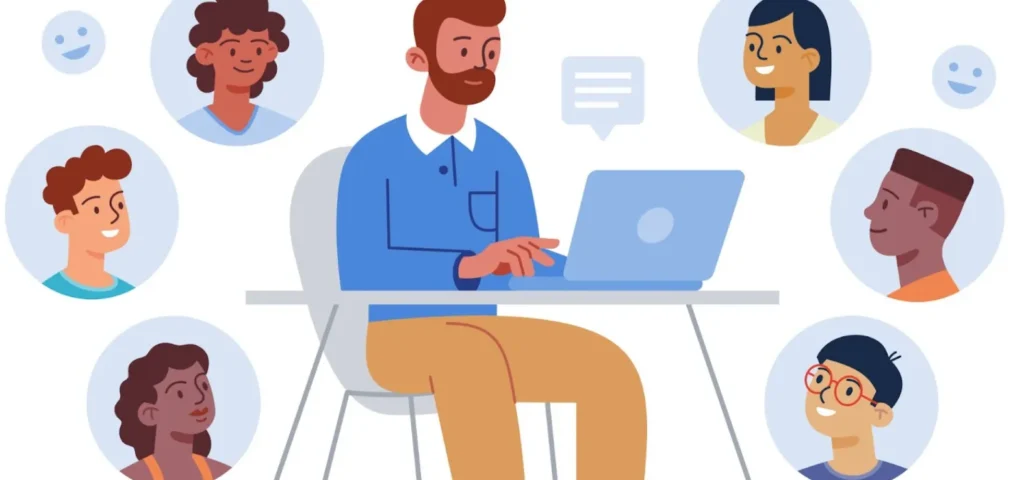
In today’s digital world, communication extends beyond face-to-face conversations. Students must also learn how to write professional emails, participate in online meetings, create presentations, and communicate respectfully on social media. Employers consistently rank communication among the top soft skills they seek in new graduates, making it essential for students to begin developing these abilities as early as possible.
This guide explores the communication skills every student needs, why they matter, and practical ways to improve them.
Why Communication Skills Matter for Students
Communication is more than speaking well. It involves understanding others, sharing ideas effectively, solving problems, and building trust. Students with strong communication skills often experience:
- Better academic performance
- Increased classroom participation
- Improved teamwork abilities
- Greater confidence in public speaking
- Stronger relationships with teachers and classmates
- Better leadership opportunities
- Enhanced career prospects
These skills remain valuable throughout life, helping students succeed in both personal and professional environments.
Verbal Communication Skills
Verbal communication refers to expressing thoughts clearly through spoken words. Students should focus on speaking confidently, organizing their ideas, and choosing appropriate language for different situations.
Key verbal communication habits include:
- Speaking clearly and at an appropriate pace
- Using simple and understandable language
- Maintaining confidence while speaking
- Asking thoughtful questions
- Participating actively in classroom discussions
- Respecting different viewpoints
Developing these habits helps students communicate more effectively during presentations, interviews, debates, and everyday conversations.
Active Listening Skills
Listening is just as important as speaking. Active listening means giving full attention to the speaker instead of simply waiting for your turn to talk.
Students who practice active listening can:
- Understand lessons more effectively
- Reduce misunderstandings
- Build stronger friendships
- Improve teamwork
- Respond thoughtfully during conversations
Ways to become a better listener:
- Maintain eye contact
- Avoid interrupting others
- Take notes when necessary
- Ask follow-up questions
- Summarize important points
- Show genuine interest in the conversation
Strong listening skills improve learning outcomes and encourage respectful communication.
Written Communication Skills
Students communicate through essays, assignments, emails, reports, and online discussions. Clear writing demonstrates critical thinking and professionalism.
Good writing practices include:
- Using proper grammar and punctuation
- Organizing ideas logically
- Writing concise and clear sentences
- Avoiding unnecessary repetition
- Proofreading before submitting work
- Adjusting tone for different audiences
Well-developed writing skills also prepare students for workplace communication, where emails, reports, and documentation play an important role.
Nonverbal Communication
Body language often communicates as much as words. Facial expressions, posture, gestures, and eye contact all influence how messages are received.
Positive nonverbal communication includes:
- Maintaining eye contact
- Smiling naturally
- Standing with good posture
- Using appropriate hand gestures
- Showing attentiveness
- Respecting personal space
Students who understand nonverbal communication appear more confident and trustworthy during presentations and interviews.
Public Speaking Skills
Many students fear speaking in front of others, but public speaking becomes easier with regular practice.
Benefits of public speaking include:
- Increased self-confidence
- Better presentation abilities
- Improved leadership skills
- Stronger persuasive communication
- Enhanced career readiness
Tips for improving public speaking:
- Practice regularly
- Prepare thoroughly
- Know your audience
- Use visual aids when appropriate
- Maintain steady eye contact
- Speak slowly and clearly
- Control nervousness through deep breathing
Public speaking is a skill that improves with consistent experience.
Teamwork and Collaboration
Modern education emphasizes group projects, collaborative learning, and shared problem-solving. Effective communication allows students to contribute positively within teams.
Successful teamwork requires:
- Respectful communication
- Sharing ideas openly
- Listening to teammates
- Resolving disagreements calmly
- Accepting constructive feedback
- Supporting group goals
Students who communicate well often become reliable and respected team members.
Emotional Intelligence in Communication
Emotional intelligence helps students understand both their own emotions and those of others.
Students with strong emotional intelligence can:
- Handle conflicts maturely
- Show empathy
- Build healthy relationships
- Manage stress effectively
- Communicate respectfully during disagreements
Developing emotional awareness strengthens both academic and personal interactions.
Digital Communication Skills
Today’s students spend significant time communicating online. Digital communication requires professionalism and responsibility.
Important digital communication skills include:
- Writing polite emails
- Participating respectfully in online discussions
- Using professional language
- Protecting personal information
- Avoiding cyberbullying
- Verifying information before sharing it
- Following online etiquette
Digital communication has become essential in education, remote learning, and future workplaces.
Conflict Resolution Skills
Disagreements are a normal part of student life. Strong communicators know how to resolve conflicts without damaging relationships.
Effective conflict resolution involves:
- Remaining calm
- Listening to every perspective
- Focusing on solutions
- Avoiding blame
- Showing respect
- Compromising when appropriate
Learning conflict management helps students develop maturity and leadership.
Confidence in Communication
Confidence improves communication, but it develops gradually through practice.
Students can build confidence by:
- Participating in classroom discussions
- Joining debate clubs
- Giving presentations
- Reading aloud regularly
- Practicing with friends
- Celebrating small improvements
Confidence grows with experience rather than perfection.
Practical Ways to Improve Communication Skills
Students can strengthen their communication abilities through daily habits.
Read Regularly
Reading books, articles, and educational materials expands vocabulary and improves sentence structure.
Practice Speaking
Speak in class, participate in discussions, and engage in conversations whenever possible.
Listen Carefully
Pay attention during lectures and conversations without distractions.
Seek Feedback
Teachers, classmates, and mentors can provide valuable suggestions for improvement.
Join Extracurricular Activities
Debate clubs, student organizations, theater groups, and volunteer programs provide excellent communication practice.
Record Yourself
Recording presentations helps identify areas for improvement in speaking style, pace, and clarity.
Learn New Vocabulary
A richer vocabulary helps students express ideas more accurately without sounding overly complicated.
Common Communication Mistakes Students Should Avoid
Students should recognize habits that weaken communication.
Common mistakes include:
- Interrupting others
- Speaking too quickly
- Avoiding eye contact
- Using unclear language
- Ignoring feedback
- Poor grammar in written work
- Overusing slang in professional situations
- Failing to listen actively
- Speaking without preparation
- Negative body language
Avoiding these mistakes leads to more effective and respectful communication.
Benefits of Strong Communication Skills for Future Careers
Communication remains one of the most requested skills by employers across industries. Professionals regularly communicate with clients, colleagues, managers, and customers.
Students who master communication skills are better prepared for:
- College interviews
- Scholarship applications
- Internship opportunities
- Job interviews
- Leadership positions
- Networking events
- Workplace collaboration
- Career advancement
Regardless of the chosen profession, effective communication creates opportunities for lifelong success.
Conclusion
Communication skills are essential for every student’s academic journey and future career. From speaking confidently and writing clearly to listening actively and collaborating effectively, these abilities influence nearly every aspect of education and professional development. The good news is that communication is a skill anyone can improve with consistent practice, constructive feedback, and a willingness to learn.
Students who invest time in strengthening their communication skills become more confident learners, better teammates, stronger leaders, and more successful professionals. By practicing active listening, improving written and verbal communication, developing emotional intelligence, and embracing digital communication responsibly, students can build a solid foundation for lifelong success in both education and beyond.
Also Read About: Customer Relationship Management Guide: Build Stronger Customer Connections and Grow Your Business