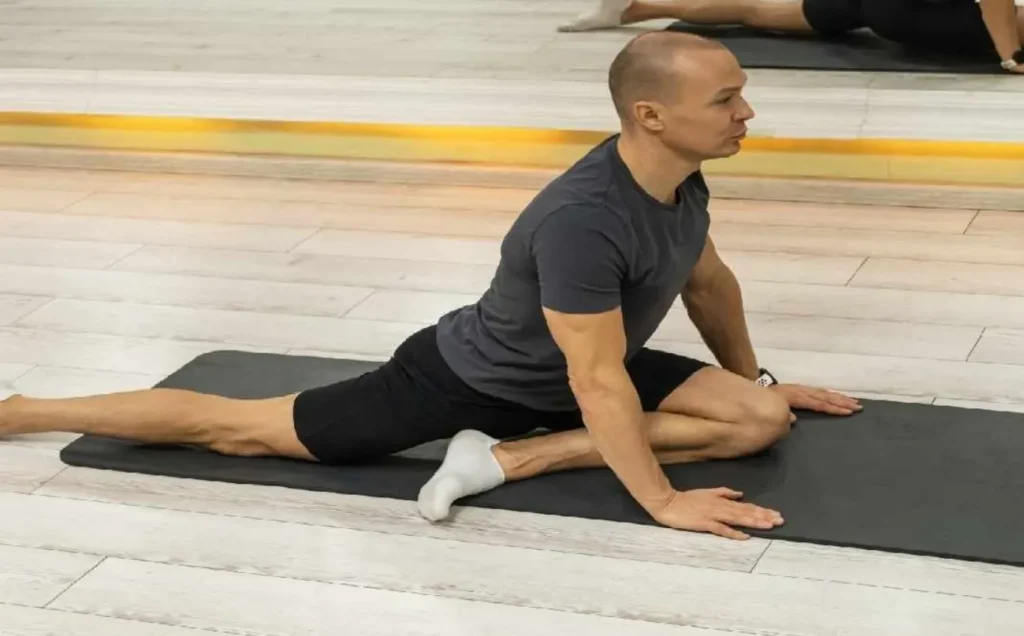

Flexibility is one of the most important aspects of physical fitness, yet it is often overlooked. Whether you are an athlete, office worker, student, or senior, maintaining good flexibility helps your body move efficiently while reducing the risk of injury. Stretching exercises are a simple and effective way to improve flexibility, relieve muscle tension, and enhance overall well-being.
Many people believe stretching is only necessary before or after exercise, but regular stretching offers benefits that extend far beyond workouts. It can improve posture, reduce stiffness, increase blood circulation, and even help manage stress.
In this comprehensive guide, you’ll discover the best stretching exercises for better flexibility, their benefits, and practical tips for creating a safe and effective stretching routine.
Why Flexibility Matters
Flexibility refers to the ability of your muscles and joints to move through their full range of motion. As people age or spend long hours sitting, muscles naturally become tighter, making everyday movements more difficult.
Improving flexibility can provide several benefits:
- Increases range of motion
- Reduces muscle stiffness
- Improves posture
- Enhances athletic performance
- Lowers injury risk
- Supports joint health
- Relieves stress and muscle tension
- Improves balance and coordination
Even spending just 10–15 minutes stretching daily can make a noticeable difference over time.
Types of Stretching
Understanding different stretching techniques helps you choose the right exercises for your goals.
Static Stretching
Static stretching involves holding a stretch for 20–60 seconds without movement. This is ideal after workouts or during flexibility sessions.
Dynamic Stretching
Dynamic stretching uses controlled movements that prepare muscles and joints for activity. It works best as part of a warm-up.
Active Stretching
This technique involves using one muscle group to stretch another without assistance.
Passive Stretching
Passive stretching uses external support such as a towel, wall, or partner to deepen the stretch safely.
Best Stretching Exercises for Better Flexibility
1. Hamstring Stretch
Tight hamstrings are common among people who sit for long periods.
How to do it:
- Sit on the floor with one leg extended.
- Bend the opposite knee.
- Reach toward your toes.
- Keep your back straight.
- Hold for 30 seconds.
Benefits
- Improves leg flexibility
- Reduces lower back tension
- Enhances mobility
2. Standing Quadriceps Stretch
This stretch targets the front thigh muscles.
Steps
- Stand upright.
- Hold one ankle behind your body.
- Pull your heel toward your hips.
- Keep your knees together.
- Hold for 30 seconds.
Benefits
- Improves balance
- Reduces thigh tightness
- Increases lower-body flexibility
3. Hip Flexor Stretch
Hip flexors often become tight from prolonged sitting.
Instructions
- Step into a lunge position.
- Lower your back knee.
- Push your hips forward gently.
- Hold the stretch.
Benefits
- Opens tight hips
- Improves posture
- Relieves lower back discomfort
4. Butterfly Stretch
The butterfly stretch focuses on the inner thighs and hips.
How to perform
- Sit with the soles of your feet together.
- Hold your feet.
- Gently press your knees toward the floor.
- Hold for 30 seconds.
Benefits
- Improves hip flexibility
- Loosens groin muscles
- Enhances lower-body mobility
5. Cat-Cow Stretch
This yoga-inspired movement improves spinal flexibility.
Steps
- Start on hands and knees.
- Arch your back upward.
- Lower your stomach while lifting your head.
- Alternate slowly.
Benefits
- Improves spine mobility
- Relieves back stiffness
- Enhances posture
6. Child’s Pose
Child’s Pose is an excellent full-body stretch.
Instructions
- Kneel on the floor.
- Sit back on your heels.
- Extend your arms forward.
- Lower your chest toward the floor.
Benefits
- Relaxes the back
- Stretches shoulders
- Reduces stress
7. Shoulder Stretch
Shoulder flexibility is essential for healthy upper-body movement.
How to perform
- Bring one arm across your chest.
- Hold it with the opposite arm.
- Keep your shoulders relaxed.
Benefits
- Improves shoulder mobility
- Reduces tension
- Helps prevent shoulder injuries
8. Neck Stretch
Long hours at computers often lead to neck stiffness.
Steps
- Sit upright.
- Slowly tilt your head toward one shoulder.
- Hold for 20 seconds.
- Repeat on the other side.
Benefits
- Relieves neck tension
- Reduces stiffness
- Improves posture
9. Standing Side Stretch
This stretch targets the sides of the body.
Instructions
- Stand with feet shoulder-width apart.
- Raise one arm overhead.
- Lean gently to the opposite side.
- Hold and repeat.
Benefits
- Improves spinal flexibility
- Opens the rib cage
- Stretches oblique muscles
10. Seated Spinal Twist
The seated twist enhances spine mobility.
How to perform
- Sit with legs extended.
- Cross one foot over the opposite leg.
- Twist your torso toward the bent knee.
- Hold for 30 seconds.
Benefits
- Improves spinal rotation
- Relieves back tension
- Supports posture
Dynamic Stretching Before Exercise
Before workouts, dynamic stretches prepare muscles for movement.
Popular dynamic stretches include:
- Arm circles
- Leg swings
- Walking lunges
- High knees
- Hip circles
- Butt kicks
- Torso rotations
Perform each movement for 30–60 seconds.
Static Stretching After Exercise
After physical activity, static stretching helps muscles recover.
Focus on stretching:
- Hamstrings
- Quadriceps
- Calves
- Hip flexors
- Chest
- Shoulders
- Lower back
Hold each stretch for 20–60 seconds without bouncing.
Tips for Stretching Safely
Stretching should never be painful. Follow these guidelines for the best results:
- Warm up for five minutes before stretching.
- Stretch slowly and gently.
- Avoid bouncing movements.
- Breathe normally throughout each stretch.
- Stretch both sides equally.
- Never force a stretch beyond your comfort level.
- Stay consistent with your routine.
Consistency matters much more than intensity.
Common Stretching Mistakes
Many people unknowingly reduce the effectiveness of stretching.
Avoid these common mistakes:
- Holding your breath
- Stretching cold muscles
- Moving too quickly
- Ignoring proper posture
- Overstretching
- Skipping recovery days
- Inconsistent practice
Correct technique helps maximize flexibility while preventing injury.
Sample Daily Flexibility Routine
You don’t need an hour to improve flexibility.
Morning (5 minutes)
- Neck stretch
- Shoulder stretch
- Standing side stretch
- Cat-Cow
Evening (10 minutes)
- Hamstring stretch
- Hip flexor stretch
- Butterfly stretch
- Child’s Pose
- Seated spinal twist
Practicing this routine consistently can produce noticeable improvements within a few weeks.
Additional Ways to Improve Flexibility
Stretching works even better when combined with healthy lifestyle habits.
Helpful practices include:
- Stay hydrated
- Maintain regular physical activity
- Practice yoga regularly
- Include strength training
- Get enough sleep
- Eat a balanced diet rich in protein and nutrients
These habits support muscle recovery and joint health.
Final Thoughts
Stretching exercises are one of the easiest and most effective ways to improve flexibility, mobility, and overall physical health. Whether your goal is reducing muscle stiffness, improving posture, enhancing athletic performance, or simply moving more comfortably throughout the day, a consistent stretching routine can make a significant difference.
The key to lasting flexibility is patience and consistency. Spend just 10 to 15 minutes stretching each day, focus on proper technique, and gradually increase your range of motion. Over time, your muscles will become more flexible, your joints will move more freely, and everyday activities will feel easier.
By making stretching a regular part of your lifestyle, you’ll enjoy improved movement, better posture, reduced muscle tension, and a healthier, more active body for years to come.
Also Read About: Benefits of Spending Time Outdoors: Why Nature Is Essential for Your Health