
Traveling abroad is an exciting experience, but managing your money wisely can make a significant difference to your overall trip. Whether you’re planning a vacation, business trip, or backpacking adventure, understanding how currency exchange works can help you avoid unnecessary fees and maximize your travel budget. Exchange rates fluctuate daily, and hidden charges can quickly add up if you’re not careful.
This guide covers the best currency exchange tips for travelers, helping you save money, stay safe, and make smarter financial decisions while traveling internationally.
Why Currency Exchange Matters
Currency exchange is the process of converting one country’s money into another country’s currency. Since every nation has its own exchange rate, the amount you receive depends on the current market value and any fees charged by banks, exchange services, or ATMs.
Poor exchange decisions can cost travelers hundreds of dollars over the course of a trip. By planning ahead and knowing your options, you can stretch your travel budget much further.
Research Exchange Rates Before You Travel
One of the most important travel money tips is to understand the current exchange rate before leaving home.
Benefits of checking rates beforehand include:
- Knowing whether you’re getting a fair deal.
- Recognizing hidden exchange fees.
- Budgeting your travel expenses accurately.
- Avoiding scams aimed at tourists.
Many free financial apps and banking websites provide live exchange rates that you can monitor before your departure.
Avoid Exchanging Money at Airports
Airport currency exchange counters are convenient, but they’re often the most expensive option.
Common drawbacks include:
- Poor exchange rates.
- High service charges.
- Limited competition.
- Additional transaction fees.
If possible, exchange only a small amount at the airport for immediate expenses like transportation or meals, then find better exchange options in the city.
Use Local ATMs for Better Rates
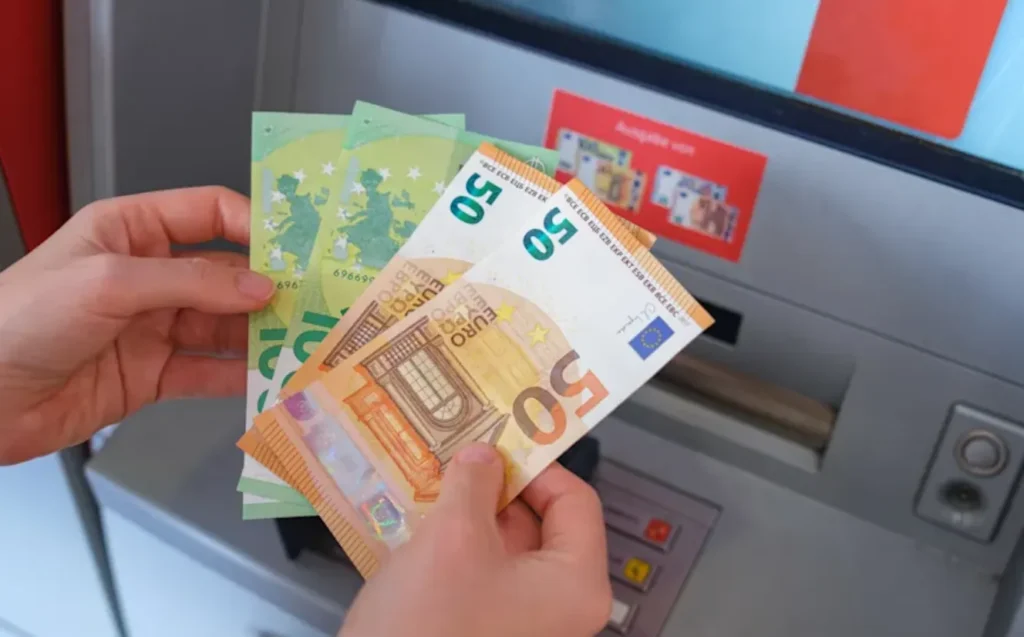
In many destinations, withdrawing cash from local bank ATMs offers one of the most competitive exchange rates.
Advantages include:
- Rates closer to the market exchange rate.
- Convenient access to local currency.
- Secure banking systems.
- Lower overall costs compared to exchange booths.
Before traveling, check with your bank about:
- International ATM fees.
- Daily withdrawal limits.
- Foreign transaction charges.
- Partner banks overseas.
Using ATMs connected to major banking networks generally provides the best value.
Notify Your Bank Before Traveling
Many banks monitor unusual account activity to prevent fraud.
If you suddenly begin using your debit or credit card in another country without prior notice, your bank may temporarily freeze your account.
Before leaving:
- Inform your bank about your travel dates.
- List the countries you’ll visit.
- Verify international card compatibility.
- Confirm emergency contact procedures.
This simple step helps avoid payment interruptions during your trip.
Choose the Local Currency When Paying
Many international merchants offer the option to pay in your home currency through a feature known as Dynamic Currency Conversion (DCC).
Although this may seem convenient, it’s usually more expensive.
Instead:
- Always choose to pay in the local currency.
- Let your bank perform the currency conversion.
- Avoid inflated merchant exchange rates.
This small decision often saves travelers several percent on every purchase.
Compare Exchange Providers
Not all currency exchange services offer the same rates.
Before exchanging cash, compare:
- Exchange rates.
- Commission fees.
- Service charges.
- Minimum transaction amounts.
- Customer reviews.
Banks, licensed exchange offices, and reputable financial institutions are generally safer than small tourist kiosks.
Carry Multiple Payment Methods
Relying on a single payment option can create problems if your wallet is lost or your card is declined.
Experienced travelers usually carry:
- A debit card.
- One or two credit cards.
- A small amount of local cash.
- Emergency backup funds.
Keeping payment methods in separate locations adds an extra layer of security.
Avoid Carrying Too Much Cash
Although cash is necessary in many destinations, carrying large amounts increases the risk of theft or loss.
A balanced approach is best.
Carry enough cash for:
- Transportation.
- Local markets.
- Small restaurants.
- Emergency situations.
Use cards for larger purchases whenever possible.
Watch Out for Hidden Fees
Currency exchange costs often extend beyond the advertised exchange rate.
Common hidden fees include:
- Foreign transaction fees.
- ATM operator charges.
- Currency conversion fees.
- Bank processing fees.
- Exchange commissions.
Reading the fine print before completing transactions can help you avoid unpleasant surprises.
Consider Travel-Friendly Credit Cards
Many modern travel credit cards offer excellent benefits for international travelers.
Popular features include:
- No foreign transaction fees.
- Competitive exchange rates.
- Travel insurance.
- Purchase protection.
- Reward points.
- Airport lounge access.
Using the right travel card can save significant money over multiple trips.
Exchange Small Amounts at a Time
Exchange rates change daily.
Instead of converting all your money at once, consider exchanging smaller amounts throughout your trip if rates improve.
Benefits include:
- Flexibility.
- Better budgeting.
- Reduced financial risk.
- Less unused foreign currency after returning home.
However, avoid making too many small exchanges if each transaction carries a fixed fee.
Keep Emergency Cash
Unexpected situations can happen anywhere.
Maintain a small emergency reserve in:
- Local currency.
- Your home currency.
- An emergency credit card.
Store these separately from your main wallet to reduce risk if your belongings are lost or stolen.
Be Careful with Street Currency Exchanges
In some tourist destinations, unofficial money changers may offer attractive exchange rates.
Unfortunately, these transactions often involve:
- Counterfeit bills.
- Incorrect calculations.
- Scams.
- Illegal exchanges.
Always use licensed banks or authorized exchange offices for your safety.
Save Your Exchange Receipts
Exchange receipts can be useful for:
- Returning unused currency.
- Tracking travel expenses.
- Resolving transaction disputes.
- Customs documentation in certain countries.
Keeping digital photos of important receipts is also a smart backup strategy.
Monitor Your Bank Statements
After using your cards internationally, regularly review your banking activity.
Look for:
- Unauthorized transactions.
- Duplicate charges.
- Incorrect currency conversions.
- Unexpected fees.
Reporting suspicious activity immediately helps protect your finances.
Smart Budgeting While Traveling
Effective currency management is part of successful travel planning.
Helpful budgeting practices include:
- Setting a daily spending limit.
- Tracking expenses with mobile apps.
- Separating spending money from emergency funds.
- Planning for exchange rate fluctuations.
Good budgeting reduces financial stress and helps you enjoy your trip more.
Final Thoughts
Understanding currency exchange is one of the smartest ways to save money while traveling abroad. By researching exchange rates, avoiding costly airport exchanges, using reputable ATMs, paying in local currency, and carrying multiple payment options, travelers can significantly reduce unnecessary expenses.
Every destination has its own financial practices, but careful planning and informed decisions can help you avoid common currency exchange mistakes. Whether you’re taking your first international vacation or you’re a seasoned traveler, following these currency exchange tips will make your journey more affordable, secure, and enjoyable. Smart money management allows you to focus less on financial worries and more on creating unforgettable travel experiences.
Also Read About: Spring Travel Destinations You Shouldn’t Miss