

Renovating an investment property often involves working within a strict budget and schedule. Every day the property remains under construction may delay its return to the rental or resale market, making efficient project management especially important. While investors usually focus on labor, materials, and financing, renovation debris can also affect the project’s progress.
Old flooring, cabinets, drywall, fixtures, roofing materials, and unwanted household items can accumulate quickly. Establishing a waste removal plan before work begins helps contractors stay productive and allows investors to maintain better control over the renovation.
Evaluate the Property Before Work Begins
Investment properties can vary widely in condition. One property may need only cosmetic updates, while another may require a complete interior cleanout followed by significant demolition.
Before scheduling work, investors should walk through the property and identify the materials that will likely be removed. This may include abandoned furniture, damaged appliances, carpet, cabinets, bathroom fixtures, drywall, trim, or exterior materials.
Evaluating the property early provides a clearer picture of the amount and type of debris the project may generate. It also helps investors separate the initial cleanout from later construction waste when planning labor and disposal needs.
Complete the Initial Cleanout First
Many investment properties contain belongings left behind by former owners or tenants. These items should generally be removed before demolition and repairs begin.
Clearing furniture, boxes, trash, and damaged household goods gives contractors better access to walls, floors, plumbing, and electrical systems. It can also reveal problems that were hidden by clutter, such as water damage, pest activity, or damaged flooring.
Completing the cleanout first establishes an organized starting point. It also prevents household items from becoming mixed with heavier construction debris once demolition begins.
Coordinate Debris Removal with the Project Schedule
Renovation waste is easier to manage when cleanup is connected to each phase of the project. Demolition may generate cabinets, drywall, flooring, and fixtures, while later stages create lumber scraps, packaging, and leftover finishing materials.
Investors who are remodeling an old house may need additional flexibility because hidden damage and outdated materials can expand the original scope. Leaving room in the schedule and disposal plan for unexpected debris can help prevent delays.
Phase-based cleanup allows one crew to finish and clear the area before the next trade arrives. This creates a smoother transition between demolition, repairs, installation, and finishing work.
Establish a Central Collection Point
A designated debris location helps prevent waste from spreading across the property. Contractors should know where materials belong instead of creating temporary piles in different rooms, hallways, or outdoor areas.
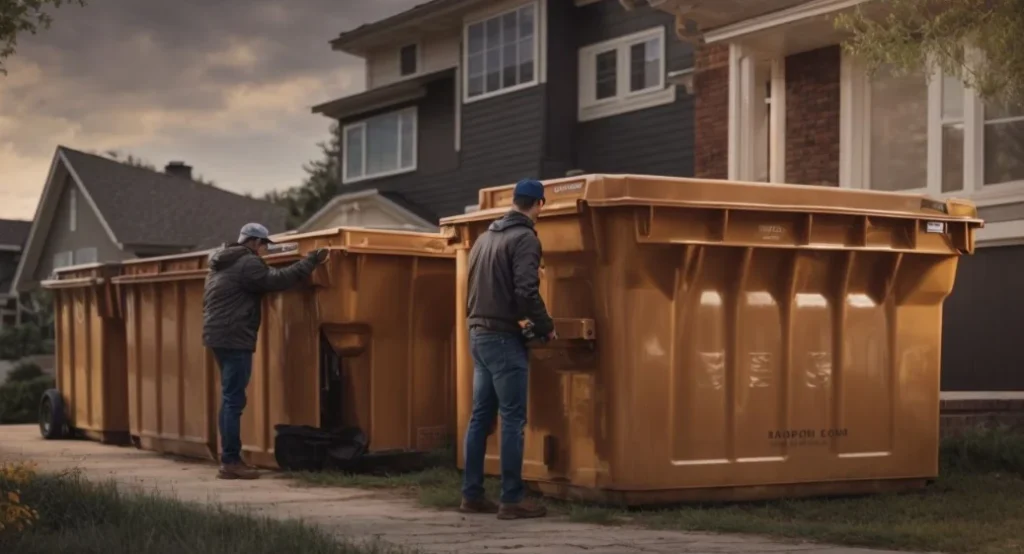
For larger renovations, investors may work with a provider such as Waste Removal USA to keep debris centralized throughout the project. An on-site container gives crews a consistent place to discard materials as they are removed.
The placement should be accessible without blocking deliveries, contractor vehicles, or neighboring properties. A well-positioned collection point also reduces the distance crews must carry heavy or bulky materials.
Separate Materials When It Makes Sense
Some removed materials may still have value. Cabinets, doors, fixtures, hardware, and usable lumber may be suitable for reuse, donation, or sale depending on their condition.
Metal components and cardboard packaging may also be accepted by local recycling programs. Identifying these materials before demolition helps prevent them from being damaged or mixed with general debris.
However, sorting should support the project rather than slow it down. Investors should establish a few clear categories and avoid storing questionable materials that are unlikely to be reused.
Keep Contractors Productive
Debris can interfere with nearly every stage of a renovation. Piles of flooring, drywall, or lumber reduce available workspace and force contractors to spend time moving waste before starting their assigned tasks.
Regular removal keeps rooms accessible and allows tools, ladders, and new materials to be positioned more efficiently. For larger properties, this often means relying on heavy equipment like skid steers or mini excavators to move heavy debris efficiently around the site, making critical final drive components for heavy equipment essential for keeping these machines operating without unexpected downtime. It also helps different trades work without one crew’s discarded materials creating problems for another.
Because labor is a major renovation expense, reducing unnecessary debris handling can help investors use contractor time more effectively.
Maintain Safer Working Conditions
Renovation debris commonly includes sharp nails, broken tile, splintered wood, metal edges, and heavy fixtures. When these materials are left scattered around the property, they can create tripping hazards and increase the risk of injury.
Clear walkways and organized work areas make it easier for contractors, inspectors, and investors to move through the property. Crews should remove sharp or unstable debris promptly rather than allowing it to remain until the end of the day.
Consistent cleanup also improves visibility, making it easier to inspect completed work and identify areas that still require attention.
Prepare for the Final Turnover
As the renovation nears completion, waste removal should shift from heavy demolition debris to packaging, material scraps, and final cleanup items. Managing debris throughout the project prevents this last phase from becoming a major delay.
Once construction waste is removed, cleaning crews can prepare the property for photography, inspections, showings, or tenant move-in. A clean property allows the completed improvements to stand out and helps investors move more quickly toward generating a return.
Managing renovation debris is an important part of keeping investment property projects organized and on schedule. Investors can simplify the process by evaluating waste early, completing the initial cleanout, coordinating removal with each construction phase, and maintaining one central collection area.
A consistent approach supports safer conditions, better contractor productivity, and a faster transition from renovation to rental or resale. When debris removal is treated as part of the project plan rather than a final task, the entire renovation becomes easier to manage.