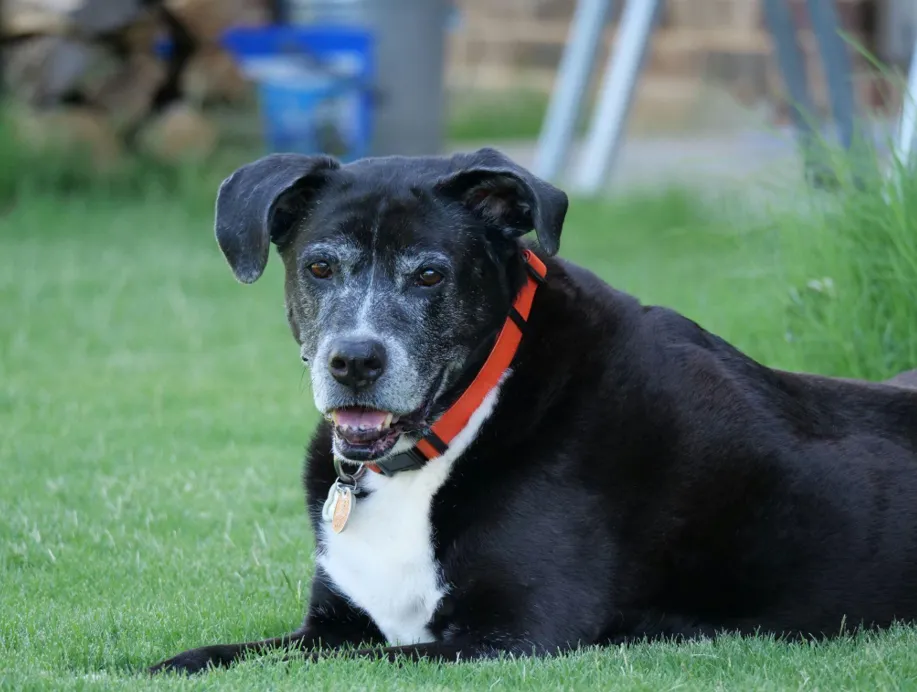

Watching a beloved pet grow old can be emotionally and practically exhausting. Routines that once happened without thought may begin revolving around medication, veterinary appointments, interrupted sleep, mobility problems, accidents in the house, or uncertainty about what the next few months will bring.
When this is happening to a friend, it is natural to want to help. The difficulty is knowing what kind of support will actually make life easier rather than adding another conversation they have to manage. Often, the most valuable help is practical, specific, and offered without judgment.
Ask About the Difficult Part of the Day
“Let me know if you need anything” is well intentioned, but it puts another task on someone who may already be overwhelmed. They have to identify what they need, decide whether it is reasonable to ask, and then contact you.
A more useful approach is to find out which part of the routine has become hardest.
Perhaps carrying a small dog outside several times a day is becoming difficult. Maybe the pet can still enjoy walks but needs physical support to move comfortably. In situations where mobility has become a major concern, Walkin Pets offers small-dog wheelchairs designed to help smaller pets remain mobile despite limitations affecting their ability to walk independently.
Understanding the specific challenge makes it easier to offer help that addresses something real rather than guessing what your friend needs.
Offer Something Concrete
Specific offers are much easier to accept.
Instead of asking whether you can help somehow, offer to pick up pet food while you are already shopping, drive your friend to a veterinary appointment, sit with the pet for an hour, or handle another everyday errand.
The task does not necessarily need to involve the animal. If caring for an aging pet is consuming additional time, taking something else off your friend’s list can be equally valuable.
Dropping off dinner, collecting groceries, or helping with a household task may give them the breathing room they need to focus on their pet without feeling that everything else is falling behind.
Don’t Turn Every Conversation Into Advice
People often respond to a problem by trying to solve it. With aging pets, that instinct can become overwhelming.
Your friend may already be receiving advice from a veterinarian and reading extensively about the animal’s condition. Adding a stream of suggestions about diets, supplements, treatments, equipment, or what somebody else’s pet experienced may not be what they need.
Ask before offering solutions.
Sometimes the person wants ideas. At other times, they simply want to say that the week has been difficult without immediately being given another list of things to investigate.
Listening is useful even when it does not produce an action plan.
Understand Why Small Changes Can Feel Significant
A pet’s decline often happens gradually. To an outsider, a dog taking longer to stand or no longer climbing the stairs may seem like a relatively minor development.
For the owner, that change can carry much more meaning.
It may represent another activity the pet can no longer do independently or another reminder that their time together is changing. The emotional reaction can therefore seem disproportionate if you focus only on the practical inconvenience.
Avoid minimizing these moments with comments about the pet simply being old. Your friend already knows the animal is aging. What may be difficult is watching familiar parts of its personality and routine become harder to maintain.
Make Social Plans Easier to Accept

Caring for an older animal can quietly restrict someone’s social life. A pet may need medication at particular times, struggle when left alone for long periods, or require more frequent bathroom breaks.
Rather than assuming your friend has lost interest in going out, make plans that accommodate the situation.
Suggest meeting close to their home, choosing something that does not require an entire evening, or spending time at their house instead. If appropriate, offer plans where the pet can be included.
Flexibility removes the pressure of having to choose between maintaining friendships and staying available for an animal that increasingly depends on them.
Help Without Taking Over
There is a difference between supporting someone and making decisions for them.
An aging pet can bring difficult choices about treatment, mobility, quality of life, and eventually end-of-life care. Unless your friend specifically asks what you would do, avoid presenting your own judgment as the obvious answer.
You are not experiencing every part of the animal’s day, and you may not know everything discussed with the veterinarian.
What you can do is help your friend think through information, accompany them to an appointment if requested, or simply remain available while they process a difficult decision.
Support should make them feel less alone, not less capable of making choices for their own pet.
Remember That Caregiving Can Be Physically Tiring
Aging pets sometimes require substantial hands-on assistance.
Owners may be lifting animals, helping them stand, cleaning bedding more frequently, waking during the night, administering medication, or reorganizing the home around changing mobility. Even when every task seems small, repetition can become exhausting.
If you are close enough to help directly, ask whether there is one routine task you can occasionally take over. Even a short break can matter.
It is also worth remembering that caregivers may be tired without wanting to complain about caring for an animal they love. Acknowledging that the situation is demanding does not imply that the pet is a burden.
Keep Showing Up as Things Change
Support is often plentiful immediately after bad news and much quieter several weeks later. Aging, however, is usually an ongoing process rather than a single event.
Check in occasionally without requiring a detailed update. Continue extending invitations even when your friend sometimes declines. Remember important appointments if they have mentioned them, and ask how both the person and the pet are doing.
If the pet eventually dies, do not underestimate the significance of the loss. The daily routines surrounding an animal can occupy years of someone’s life, and their sudden absence can transform the atmosphere of a home.
Helping a friend through an aging pet rarely requires finding the perfect words. Practical assistance, flexibility, patience, and consistent presence usually matter more. You cannot make the difficult part disappear, but you can make sure your friend does not have to carry every part of it alone.