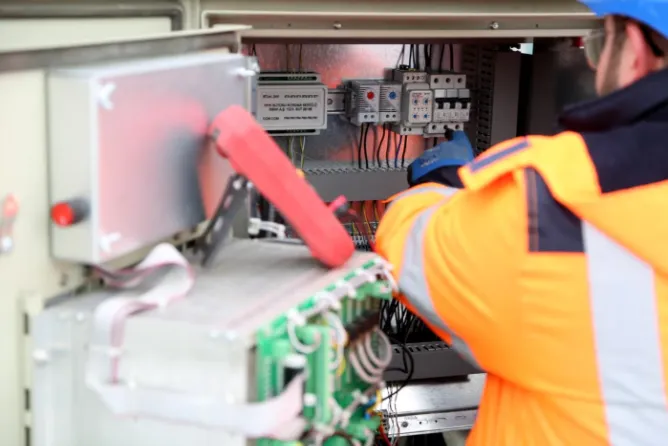

As the demand for electricity in residential properties continues to rise, the need to upgrade electrical systems becomes paramount. Many homeowners are opting to get their properties upgraded to three-phase power systems. To understand how to efficiently get 3 phase power at home, one must initially comprehend what three-phase power is and why it is becoming increasingly popular.
What is Three-Phase Power?
Three-phase power is a type of polyphase system commonly used in electrical grids and industrial facilities to deliver electricity. It differs from single-phase power, which most residential properties typically use, in that it uses three alternating currents, each set 120 degrees apart in phase angle. This configuration provides a more consistent and reliable power supply, making it ideal for heavy-duty appliances and equipment.
Why Consider Three-Phase Power for Your Home?
The decision to upgrade to a three-phase power system often arises from the need for greater electrical load capacity. Single-phase systems can become strained as homeowners add more electronic devices, electric vehicles, or high-power appliances. Three-phase power offers the following benefits:
- Increased Efficiency: Three-phase systems are more efficient in transmitting electricity over longer distances with less voltage drop, minimising energy loss.
- Higher Load Capacity: The availability of more power and higher current allows for the operation of larger and more demanding appliances.
- Improved Longevity of Equipment: Appliances connected to a stable three-phase power supply often experience less wear and tear due to the consistent voltage.
Determining the Need for Three-Phase Power
Deciding whether to switch to three-phase power involves an assessment of your current and future energy requirements. Factors that might prompt this upgrade include:
- Installation of heavy-duty equipment like electric car chargers, HVAC systems, or large-scale kitchen appliances.
- Planning future expansions that may increase power consumption significantly.
- Experiences with frequent tripping of circuit breakers or inconsistencies in power supply.
Steps to Get 3 Phase Power Installed
The journey to getting three-phase power at home begins with a structured approach:
1. Consultation with a Qualified Electrician: The first step is to engage a professional electrical consultant to assess your property’s power needs. Experts can evaluate whether the existing infrastructure supports three-phase power.
2. Obtain Necessary Permits: Before any installation work begins, it is essential to secure any required permits or approvals from local authorities or energy providers. This ensures compliance with electrical standards and safety regulations.
3. Selecting the Right Equipment: Upgrading to three-phase power necessitates acquiring compatible equipment such as circuit breakers, wiring, and switches that can handle increased loads.
4. Professional Installation: Retaining the services of a certified electrician is crucial for a safe and effective installation. Quality workmanship ensures that the transition to three-phase power integrates smoothly with minimal disruptions.
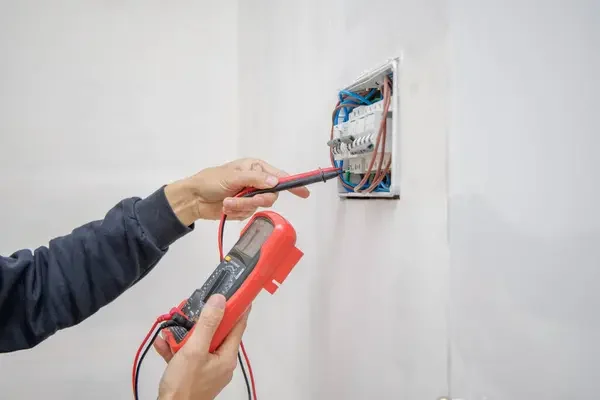
5. Final Inspection and Testing: Upon completion, the new setup must undergo thorough testing and inspection to confirm its operational readiness and adherence to safety standards.
Making the Transition: Challenges and Considerations
While the benefits of three-phase power are undeniable, the transition process involves certain challenges. Some potential hurdles include:
- Cost Implications: The installation cost for three-phase power can be substantial, depending on existing infrastructure and the complexity of necessary upgrades.
- Space for Equipment: Accommodating new wiring and additional equipment may require physical reconfiguration within properties.
- Downtime During Installation: Temporary interruptions to the power supply during upgrades may pose some inconvenience.
Industry professionals often advise that the long-term savings and efficiency improvements offset these initial challenges.
Supporting Sustainability and Future Technologies
With the global emphasis on energy efficiency and sustainable technologies, integrating three-phase power aligns with broader environmental goals. By reducing energy waste and optimising power delivery, homeowners contribute to smarter energy consumption.
Furthermore, as new technologies like electric vehicles evolve, the need for robust electrical systems capable of supporting rapid charging and high energy demands becomes crucial. The choice to install three-phase power can thus position properties to adapt seamlessly to future advancements.
Conclusion: The Strategic Advantage of Three-Phase Power
Understanding the intricacies involved in upgrading to a three-phase power system is crucial for homeowners considering this transition. By evaluating their unique power needs, engaging experienced professionals, and meticulously planning the upgrade, they can harness the considerable benefits three-phase systems offer. For more detailed guidance on how to get 3-phase power at home, you may want to refer to additional resources and professional insights available online.
In the rapidly evolving landscape of residential energy needs, the move towards three-phase power represents not only a practical choice but also a strategic one. As this energy supply system increasingly becomes the standard, being informed and prepared ensures homeowners remain ahead of the curve, optimising their properties for performance, efficiency, and future readiness.