
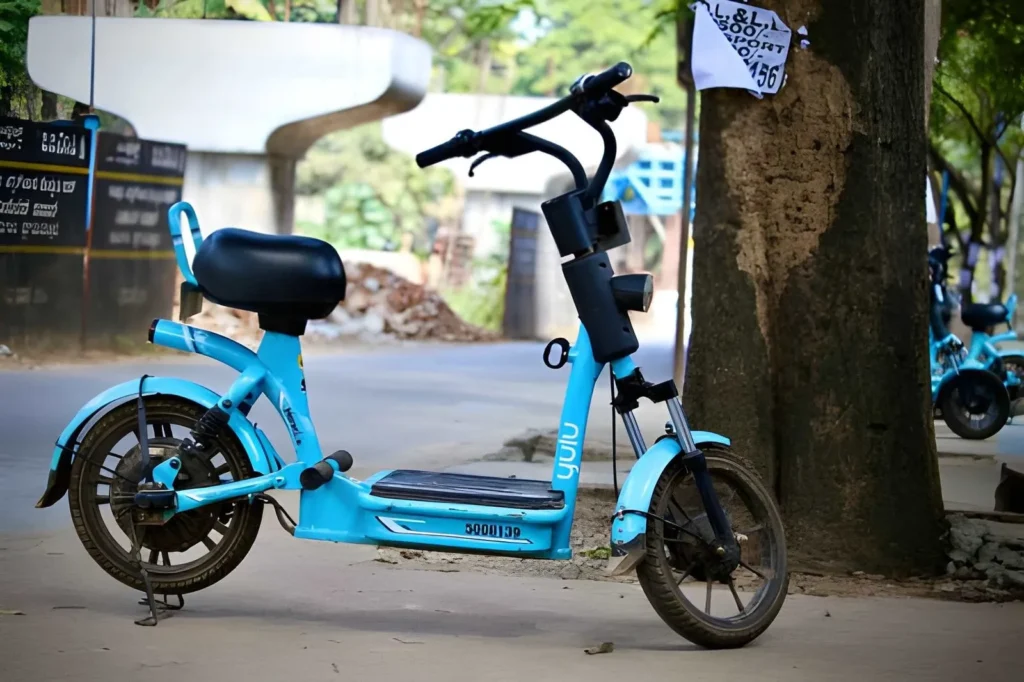

Electric bikes have gained considerable popularity across India in recent years, owing to rising fuel costs, traffic congestion, and growing environmental awareness. As more riders switch to electric two-wheelers, a common question arises: is insurance compulsory for these vehicles? The answer depends on the specifications of the e-bike in question, rather than on the category of vehicle as a whole.
Understanding these rules helps riders avoid legal complications, unnecessary fines, and financial setbacks arising from accidents or theft. This blog examines the regulatory position, the benefits of e-bike insurance, and the factors riders should weigh up before making a decision.
Understanding the Legal Classification of E-bikes
Under the Central Motor Vehicles Rules, electric bikes are classified based on motor power and top speed. This classification determines whether registration, a driving license, and insurance are required:
- Low-speed E-bikes: With a maximum speed of 25 km/h and motor power of up to 250 watts, these models are designed for slower urban travel. They generally do not require registration, a driving license, or mandatory insurance and may be treated similarly to conventional bicycles under applicable regulations.
- High-speed E-bikes: Motor power or speed exceeding the above limits. These are classified as motor vehicles under the Motor Vehicles Act, 1988, and must be registered with the Regional Transport Office (RTO), with a valid driving license required to operate them.
Consequently, e-bike insurance becomes a legal necessity for higher-powered models, just as it would for a conventional motorcycle or scooter.
Why Consider Cover Regardless of Legal Requirement
Several practical reasons make e-bike insurance worth considering, even for low-speed models that fall outside the mandatory bracket:
- Costly Components: Batteries, motor controllers, and electronic displays are more expensive to repair or replace than the parts found on a traditional bicycle.
- Accident Exposure: Heavy traffic, uneven road surfaces, and unpredictable weather in urban India raise the likelihood of accidents or damage.
- Theft Risk: E-bikes are a common target for theft, given their resale value and portability.
- Daily Reliance: Riders who depend on their e-bikes for daily commuting benefit from the financial security that such cover provides, which can outweigh the cost of the premium.
What Does the Cover Typically Include?
E-bike insurance policies generally fall into two broad categories:
- Third-party Liability Cover: It addresses legal liability towards others or their property in the event of an accident caused by the insured vehicle. It does not cover damage to the insured e-bike itself.
- Comprehensive Cover: This extends protection to the insured vehicle as well, subject to policy terms.
Some comprehensive policies also allow riders to add optional covers, such as protection for the battery or accessories, depending on the insurer’s offerings.
Factors That Influence the Premium
Several factors determine the premium payable for e-bike insurance:
- Power Output and Value: Higher-powered or more expensive e-bikes typically require higher premiums.
- Vehicle Age: Older vehicles may be priced differently from newer models.
- Claim History: A rider’s past claims record can affect the premium charged.
- Location: Areas with higher traffic density or greater theft risk may see different premium calculations compared with less congested regions.
- Type of Cover: Comprehensive policies naturally cost more than third-party-only cover, given the broader scope of protection they provide.
What Should You Consider Before Buying E-bike Insurance?
Before purchasing a policy, riders should work through a few practical steps:
- Assess the specifications of the vehicle to establish if registration and insurance are legally required.
- For high-speed e-bikes, arrange third-party cover before riding on public roads, as compliance with the law is non-negotiable.
- Read the policy wording carefully, as coverage inclusions, exclusions, and claim procedures vary between insurers.
- For low-speed e-bikes, weigh the cost of premiums against the potential financial exposure from accidents, theft, or damage.
- Consider the sum insured, the claim settlement process, and any additional covers relevant to individual usage patterns before finalising a policy.
Find the Right E-bike Insurance
The requirement for e-bike insurance in India depends on the technical specifications of the vehicle rather than on personal preference. High-speed electric bikes are legally required to carry at least third-party cover, while low-speed variants are exempt from this obligation under current rules.
Even so, given the cost of repairing electronic components and the general risks of riding on Indian roads, opting for a suitable policy is a sensible precaution for most owners. It offers financial protection against unforeseen events and supports responsible vehicle ownership.
Riders considering a policy may explore the options available through online insurance brokers like Jio Insurance Broking Ltd., which facilitates access to suitable e-bike insurance plans tailored to individual requirements. Choosing the right cover can help e-bike owners manage unexpected repair costs and ride with greater financial confidence.