Quick Answer 🔥
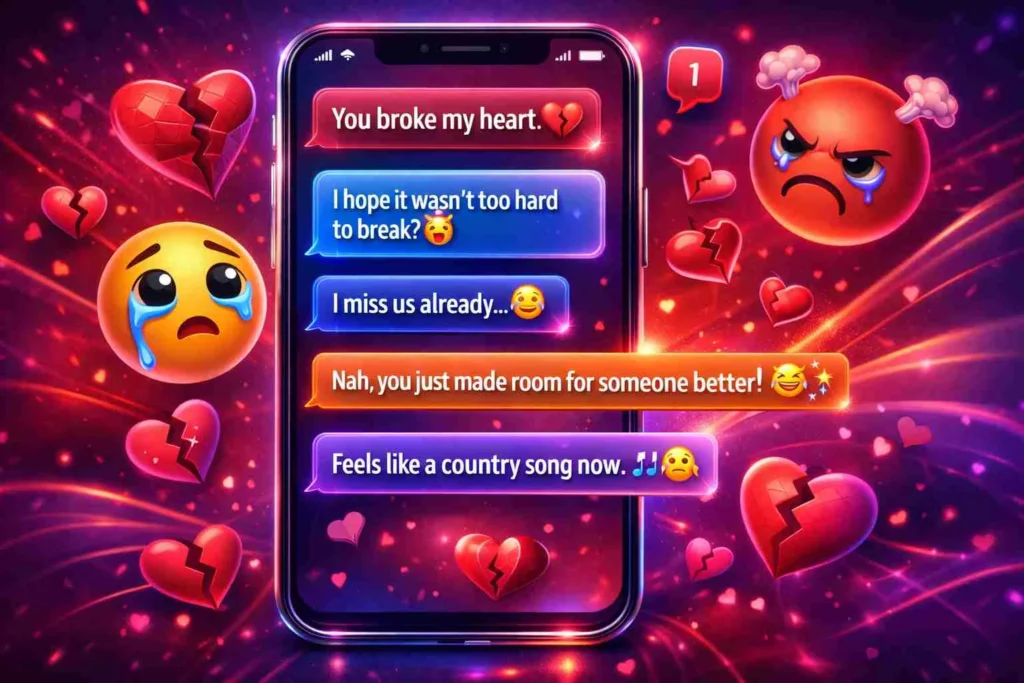
When someone says “you broke my heart,” your reply should match your emotions and the situation. You can go soft, savage, funny, or completely unbothered depending on what you feel. The key is to stay authentic and express yourself clearly without overthinking it.
Top quick replies:
“I never meant to hurt you,” “We both made mistakes,” “I’m sorry you feel that way,” “You’ll heal, I promise,” “It wasn’t all on me”
We’ve all been there. A late-night text, a dramatic DM, or an emotional voice note drops in saying “you broke my heart,” and suddenly… you don’t know what to say. It’s from an ex, a situationship, a friend, or even a crush, this phrase hits hard.
Your reply matters more than you think. It can calm things down, escalate drama, or completely change how the situation ends. In today’s world of texting and instant reactions, knowing how to respond the right way is basically a superpower.
The good news? You don’t need to stress. You want to be kind, funny, cold, or a little dramatic, this list gives you ready-to-use replies that feel natural, relatable, and totally text-message ready.
Funny Responses
- “Dang, I didn’t know I had that kind of power.”
Example: Used when you want to lighten the mood in a tense chat.
Meaning: You’re joking to reduce emotional intensity. - “Should I send flowers or snacks?”
Example: When trying to be playful instead of serious.
Meaning: You’re softening the situation with humor. - “Heart broken? Warranty expired?”
Example: For meme-style replies.
Meaning: You’re not taking it too seriously. - “Plot twist: I broke mine too.”
Example: When both sides were hurt.
Meaning: You’re sharing the blame lightly. - “This wasn’t in the script.”
Example: Dramatic but funny reply.
Meaning: You didn’t expect things to go this way. - “Can we blame Mercury retrograde?”
Example: Astrology joke moment.
Meaning: You’re avoiding direct blame humorously. - “I swear I’m not a villain.”
Example: When teasing the situation.
Meaning: You’re defending yourself jokingly. - “At least I didn’t break your phone.”
Example: Random humor to shift tone.
Meaning: You’re minimizing seriousness. - “Ouch… my reputation is ruined.”
Example: Light sarcasm.
Meaning: You’re playing along. - “Do I get a trophy for that?”
Example: When being sarcastic funny.
Meaning: You’re deflecting emotionally. - “Heart repair services unavailable.”
Example: Meme-style reply.
Meaning: You’re jokingly refusing responsibility. - “We love a dramatic moment.”
Example: Social-media-style humor.
Meaning: You’re downplaying the intensity. - “Oops… my bad?”
Example: Casual funny reply.
Meaning: You’re not deeply engaging. - “I promise I’m nicer in person.”
Example: Flirty-funny mix.
Meaning: You’re softening tension. - “Guess I’m unforgettable now.”
Example: Confident humor.
Meaning: You’re flipping the situation positively.
Emotional Responses
- “I’m really sorry I hurt you.”
Example: When you genuinely regret things.
Meaning: You’re taking accountability. - “That was never my intention.”
Example: Calm explanation reply.
meaning: You didn’t mean to cause pain. - “I wish things turned out differently.”
Example: Reflective moment.
Meaning: You regret how it ended. - “You deserved better from me.”
Example: Honest self-awareness.
Meaning: You accept fault. - “I still care about you deeply.”
Example: Emotional connection remains.
Meaning: You still have feelings. - “I didn’t handle things right.”
Example: Taking responsibility.
Meaning: You admit mistakes. - “You meant a lot to me.”
Example: Closure message.
Meaning: You value the past. - “I never wanted to cause pain.”
Example: Gentle tone.
Meaning: You feel remorse. - “I understand why you feel that way.”
Example: Empathetic reply.
Meaning: You validate their feelings. - “I wish I could fix it.”
Example: Emotional vulnerability.
Meaning: You regret your actions. - “You didn’t deserve that.”
Example: Honest apology.
Meaning: You acknowledge their hurt. - “I’m still processing everything too.”
Example: Mutual pain situation.
Meaning: You’re also affected. - “It hurts me to know I hurt you.”
Example: Deep emotional tone.
Meaning: You feel guilty. - “I hope you heal from this.”
Example: Kind closure.
Meaning: You want the best for them. - “I’ll always remember what we had.”
Example: Nostalgic tone.
Meaning: You cherish the past.
Savage Responses
- “You broke your own heart expecting too much.”
Example: When you’re done explaining.
Meaning: You shift responsibility. - “Not everything is about you.”
Example: Argument context.
Meaning: You reject blame. - “We both know that’s not true.”
Example: Calling out exaggeration.
Meaning: You challenge their claim. - “You ignored the red flags.”
Example: Honest but harsh reply.
Meaning: You point out their role. - “Don’t rewrite the story.”
Example: Defensive response.
Meaning: You protect your side. - “I didn’t force you to stay.”
Example: Breakup context.
Meaning: You emphasize choice. - “You knew what this was.”
Example: Situationship reply.
Meaning: Expectations were clear. - “Stop playing the victim.”
Example: Heated argument.
Meaning: You reject their narrative. - “That’s your version, not mine.”
Example: Disagreement.
Meaning: You defend your perspective. - “We both messed up, not just me.”
Example: Balanced but sharp reply.
Meaning: You refuse full blame. - “You’re forgetting your part.”
Example: Accountability call-out.
Meaning: You highlight shared fault. - “I won’t carry all the blame.”
Example: Firm stance.
Meaning: You set boundaries. - “Feelings don’t equal facts.”
Example: Logical response.
Meaning: You separate emotion from reality. - “That chapter is closed.”
Example: Final closure.
Meaning: You’ve moved on. - “I’m not apologizing for being honest.”
Example: Strong reply.
Meaning: You stand by your actions.
Polite Responses
- “I’m sorry you feel hurt.”
Example: Neutral reply.
Meaning: You acknowledge emotions without admitting fault. - “I hope you find peace.”
Example: Calm closure.
Meaning: You wish them well. - “That was never my intention.”
Example: Gentle explanation.
meaning: You didn’t mean harm. - “I appreciate you telling me.”
Example: Respectful tone.
Meaning: You value communication. - “I wish you the best moving forward.”
Example: Ending conversation.
Meaning: You’re closing respectfully. - “I understand your feelings.”
Example: Empathy.
Meaning: You validate their emotions. - “Thank you for being honest.”
Example: Mature reply.
Meaning: You respect their openness. - “Take care of yourself.”
Example: Simple closure.
Meaning: You show concern. - “I hope time helps heal things.”
Example: Kind response.
Meaning: You acknowledge pain. - “I never meant any harm.”
Example: Soft reply.
Meaning: You defend gently. - “I respect your perspective.”
Example: Mature tone.
Meaning: You avoid conflict. - “I’m sorry things ended this way.”
Example: Closure moment.
Meaning: You regret outcome. - “I wish things were different.”
Example: Reflective tone.
Meaning: You express regret. - “I hear you.”
Example: Short empathetic reply.
Meaning: You acknowledge without arguing. - “I hope you heal and grow.”
Example: Positive closure.
Meaning: You wish them well.
Confident Responses
- “I did what was right for me.”
Example: Self-respect moment.
Meaning: You prioritize yourself. - “I won’t apologize for my truth.”
Example: Strong stance.
Meaning: You stand firm. - “We weren’t meant to last.”
Example: Closure reply.
Meaning: You accept reality. - “I’ve moved forward.”
Example: Post-breakup.
Meaning: You’ve healed. - “I know my worth.”
Example: Self-confidence.
Meaning: You value yourself. - “I gave what I could.”
Example: Honest reflection.
Meaning: You did your best. - “I won’t stay where I’m unhappy.”
Example: Boundary setting.
Meaning: You choose happiness. - “I’m not the villain here.”
Example: Defensive confidence.
Meaning: You reject blame. - “I deserve peace too.”
Example: Emotional clarity.
Meaning: You value your well-being. - “I chose growth over comfort.”
Example: Mature decision.
Meaning: You prioritize growth. - “It wasn’t working anymore.”
Example: Realistic tone.
Meaning: Relationship failed naturally. - “I stand by my decision.”
Example: Firm reply.
Meaning: No regrets. - “We both learned something.”
Example: Growth mindset.
Meaning: It wasn’t wasted. - “I’m not looking back.”
Example: Moving on.
Meaning: You’ve closed that chapter. - “That’s part of life.”
Example: Philosophical tone.
Meaning: You accept reality.
Chill And Casual Responses
- “Yeah… things got messy.”
Example: Relaxed reply.
Meaning: You acknowledge without drama. - “It happens sometimes.”
Example: Casual tone.
Meaning: You normalize it. - “We’ll both be okay.”
Example: Calm reassurance.
Meaning: You keep it light. - “No hard feelings.”
Example: Friendly tone.
Meaning: You’re not holding grudges. - “Life goes on.”
Example: Detached reply.
Meaning: You’re moving forward. - “We had our moment.”
Example: Nostalgic but chill.
Meaning: It’s over now. - “It wasn’t meant to be.”
Example: Simple explanation.
Meaning: You accept fate. - “We’ll laugh about this someday.”
Example: Light humor.
Meaning: It’s temporary pain. - “It’s all part of the journey.”
Example: Growth mindset.
Meaning: You see it as experience. - “No regrets here.”
Example: Confident chill reply.
Meaning: You’re okay with it. - “We move.”
Example: Gen Z tone.
Meaning: Keep going forward. - “It is what it is.”
Example: Neutral response.
Meaning: Acceptance. - “We both tried.”
Example: Balanced tone.
Meaning: Shared effort. - “No drama needed.”
Example: Calm reply.
Meaning: You avoid conflict. - “All good on my side.”
Example: Casual closure.
Meaning: You’re at peace.
Dramatic Responses
- “You shattered something I can’t rebuild.”
Example: Emotional scene.
Meaning: Deep hurt expression. - “This will haunt me forever.”
Example: Over-the-top reply.
Meaning: You exaggerate pain. - “You changed me forever.”
Example: Reflective drama.
Meaning: Impact was huge. - “I trusted you with everything.”
Example: Emotional moment.
Meaning: You feel betrayed. - “Love turned into pain.”
Example: Poetic tone.
Meaning: Relationship shifted negatively. - “I gave you my heart completely.”
Example: Deep connection.
Meaning: You were fully invested. - “Now I’m left with pieces.”
Example: Dramatic imagery.
Meaning: You feel broken. - “This wasn’t supposed to end like this.”
Example: Shocked reaction.
Meaning: You didn’t expect it. - “You were my everything.”
Example: Intense emotion.
Meaning: They meant a lot. - “Now it’s just memories.”
Example: Sad closure.
Meaning: It’s over. - “I lost myself loving you.”
Example: Deep regret.
Meaning: You gave too much. - “I’ll never love the same again.”
Example: Dramatic pain.
Meaning: You’re deeply hurt. - “You broke more than my heart.”
Example: Emotional intensity.
Meaning: It affected you deeply. - “I believed in us.”
Example: Sad tone.
Meaning: You had hope. - “This pain feels endless.”
Example: Emotional reply.
Meaning: You’re overwhelmed.
Cute Responses
- “I didn’t mean to hurt your soft heart.”
Example: Gentle tone.
Meaning: You care. - “Can I fix it with hugs?”
Example: Playful reply.
Meaning: You want to make it better. - “You’re too precious to be hurt.”
Example: Sweet tone.
Meaning: You value them. - “I still care about you, you know.”
Example: Emotional but soft.
Meaning: Feelings remain. - “Don’t stay sad for too long.”
Example: Light comfort.
Meaning: You want them happy. - “You deserve smiles, not tears.”
Example: Kind message.
Meaning: You wish happiness. - “I hate that I made you sad.”
Example: Apology tone.
Meaning: You regret it. - “You’re stronger than this.”
Example: Encouraging reply.
Meaning: They’ll recover. - “I wish I could undo it.”
Example: Soft regret.
Meaning: You feel sorry. - “You’ll be okay, I promise.”
Example: Reassurance.
Meaning: Healing will happen. - “I still think you’re amazing.”
Example: Compliment.
Meaning: You appreciate them. - “Don’t let this define you.”
Example: Motivational.
Meaning: It’s temporary. - “You deserve all the love.”
Example: Sweet tone.
Meaning: You wish them well. - “I care more than you think.”
Example: Emotional softness.
Meaning: You still feel something. - “You’ll smile again soon.”
Example: Positive tone.
Meaning: Better days ahead.
Sarcastic Responses
- “Wow, didn’t know I had that talent.”
Example: Dry humor.
Meaning: You mock the claim. - “Should I apologize or clap?”
Example: Sharp sarcasm.
Meaning: You’re unimpressed. - “That’s a bit dramatic, no?”
Example: Calling out exaggeration.
Meaning: You downplay it. - “Breaking hearts since day one.”
Example: Meme tone.
Meaning: You joke sarcastically. - “I’ll add that to my resume.”
Example: Playful sarcasm.
Meaning: You’re not taking it seriously. - “Sure, blame me for everything.”
Example: Defensive sarcasm.
Meaning: You feel accused unfairly. - “Here we go again.”
Example: Tired response.
Meaning: You’ve heard it before. - “You’ll survive.”
Example: Cold sarcasm.
Meaning: You dismiss intensity. - “That’s new.”
Example: Dry reply.
Meaning: You don’t believe it. - “Am I the villain now?”
Example: Sarcastic tone.
Meaning: You question their narrative. - “I guess I’m iconic.”
Example: Funny sarcasm.
Meaning: You flip it positively. - “You’re welcome?”
Example: Sharp humor.
Meaning: You mock the blame. - “This again?”
Example: Annoyed reply.
Meaning: You’re over it. - “Not my finest achievement.”
Example: Light sarcasm.
Meaning: You admit slightly. - “Let’s not overdo it.”
Example: Calm sarcasm.
Meaning: You think it’s exaggerated.
Sweet Responses
- “I never wanted to hurt you.”
Example: Honest tone.
Meaning: You feel bad. - “You meant so much to me.”
Example: Emotional reply.
Meaning: You valued them. - “I hope you find happiness.”
Example: Kind closure.
Meaning: You wish them well. - “I’ll always care about you.”
Example: Soft tone.
Meaning: Feelings remain. - “You deserve someone amazing.”
Example: Positive message.
Meaning: You want better for them. - “I’m sorry things ended this way.”
Example: Closure.
Meaning: You regret outcome. - “I wish you nothing but love.”
Example: Warm reply.
Meaning: You’re kind. - “You’re a beautiful person inside out.”
Example: Compliment.
Meaning: You appreciate them. - “I’m grateful for our time.”
Example: Reflective tone.
Meaning: You value memories. - “You taught me a lot.”
Example: Growth mindset.
Meaning: It wasn’t wasted. - “I’ll never forget you.”
Example: Emotional closure.
Meaning: They mattered. - “You deserve peace.”
Example: Kind tone.
Meaning: You wish healing. - “I care about your happiness.”
Example: Soft reply.
Meaning: You still value them. - “You’ll find someone perfect for you.”
Example: Encouragement.
Meaning: Better future ahead. - “Take care of your heart.”
Example: Gentle ending.
Meaning: You show concern.
Flirty Responses
- “Careful, I might steal it again.”
Example: Playful reply in a teasing romantic chat.
Meaning: You’re turning pain into flirtation. - “Maybe I just wanted your attention.”
Example: Light teasing in a situationship.
Meaning: You’re keeping things playful. - “So… you still thinking about me?”
Example: Confident flirty comeback.
Meaning: You’re hinting they still care. - “Guess I made a lasting impression.”
Example: Smooth response after drama.
Meaning: You’re flipping it into attraction. - “Broken hearts still text back though.”
Example: Flirty teasing.
Meaning: You’re inviting continued connection. - “You sure it’s broken or just missing me?”
Example: Playful comeback.
Meaning: You’re reframing their feelings. - “Maybe it’s just a little cracked, not broken.”
Example: Soft flirting.
Meaning: You’re downplaying the damage. - “I could fix it… if you let me.”
Example: Romantic tone.
Meaning: You’re offering another chance. - “You loved me though, admit it.”
Example: Teasing confidence.
Meaning: You’re reminding them of feelings. - “I think your heart just got addicted to me.”
Example: Bold flirty reply.
Meaning: You’re making it playful and confident. - “Should I come fix it in person?”
Example: Suggestive but light.
Meaning: You’re keeping things fun. - “That’s because I was unforgettable.”
Example: Confident flirting.
Meaning: You’re owning your impact. - “You’ll miss me more than you admit.”
Example: Smooth reply.
Meaning: You’re hinting at their attachment. - “Maybe it’s not broken… just confused.”
Example: Gentle teasing.
Meaning: You’re softening the situation. - “Let’s not pretend you didn’t enjoy it.”
Example: Bold flirt.
Meaning: You’re reframing the past positively.
Clever Responses
- “Hearts don’t break, they reveal truth.”
Example: Deep, thoughtful reply.
Meaning: You’re turning pain into insight. - “Sometimes endings are just disguised beginnings.”
Example: Reflective tone.
Meaning: You see growth in pain. - “Maybe it broke so something better could fit.”
Example: Positive mindset reply.
Meaning: You frame it as transformation. - “Pain is just unprocessed love.”
Example: Philosophical response.
Meaning: You give emotional depth. - “We learned more than we lost.”
Example: Mature conversation.
Meaning: You focus on growth. - “Not every story is meant to last forever.”
Example: Calm closure.
Meaning: You accept reality. - “Sometimes love teaches through loss.”
Example: Thoughtful reply.
Meaning: You highlight lessons. - “What broke wasn’t just a heart, it was expectations.”
Example: Insightful tone.
Meaning: You identify the real issue. - “We weren’t wrong, just temporary.”
Example: Balanced perspective.
Meaning: You normalize the ending. - “Even broken hearts still beat.”
Example: Motivational reply.
Meaning: Healing is possible. - “Every heartbreak rewrites your standards.”
Example: Growth mindset.
Meaning: You see improvement. - “It hurt because it mattered.”
Example: Emotional clarity.
Meaning: You validate feelings. - “Closure doesn’t always come from the other person.”
Example: Wise response.
Meaning: Healing is internal. - “We were a lesson, not a lifetime.”
Example: Poetic reply.
Meaning: It wasn’t meant to last. - “Even broken pieces can create something new.”
Example: Inspirational tone.
Meaning: You focus on rebuilding.
FAQs
What does “you broke my heart” mean?
It means someone feels emotionally hurt, usually due to love, trust, or disappointment.
Is it always romantic?
No, it can also come from friends or close relationships, not just romantic ones.
Can it be flirty?
Sometimes yes, especially in playful or teasing contexts, but usually it’s serious.
What if I don’t mean it?
Reply gently and avoid escalating. Keep it polite and neutral.
Is humor okay in response?
Yes, but only if the situation isn’t deeply emotional or sensitive.
Conclusion
Responding to “you broke my heart” isn’t just about words, it’s about timing, tone, and intention. You choose to be kind, funny, savage, or completely chill, your reply shapes how the conversation ends and how you’re remembered.
The best part? You don’t have to overthink it anymore. With these ready-to-use responses, you can reply confidently in any situation, from emotional chats to dramatic DMs.
Save this list, share it with your friends and keep it handy for those unexpected messages. Because let’s be real, the right reply can make all the difference.
Discover More Related Articles:
- 456 How to Respond to a “Copycat”: Without Losing Your Confidence In 2026
- 456 Replies to “Can I Know You Better?”: In a Natural Way In 2026