Quick Answer 🔥
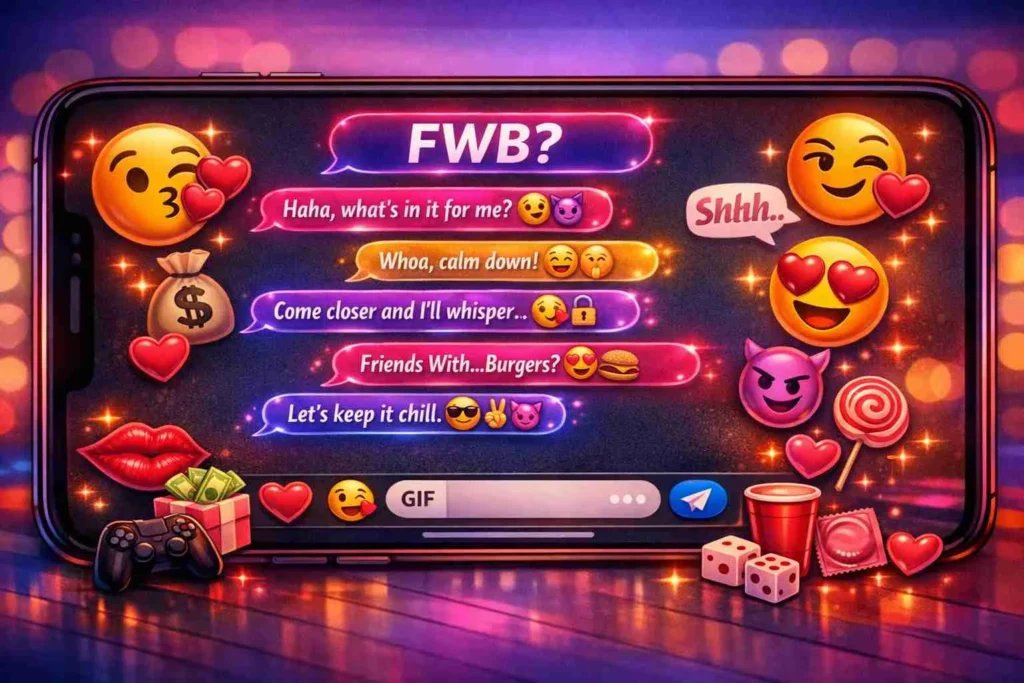
If someone sends you an FWB request, your reply should match your vibe, boundaries, and comfort level. You’re interested, unsure, or completely not into it, the right response keeps things clear and confident.
Top replies:
Not my thing, I’m good keeping it platonic, Maybe but let’s talk first, I want something serious, Appreciate the honesty but no thanks
So someone just hit you with the classic “we should be friends with benefits” text. It came through DMs, late-night chats, or a casual hangout turning unexpectedly bold, it can feel a little… random. 😅
Knowing how to respond to fwb requests matters more than you think. Your reply sets boundaries, shows confidence, and shapes how people see you moving forward. Maybe you’re into it, maybe you’re not, or maybe you’re just figuring things out. All valid.
The key is responding in a way that feels true to you without being awkward, rude, or confusing. From funny comebacks to clear rejections, here’s your ultimate go-to list of replies that are text-ready, relatable, and seriously share-worthy.
Funny Responses
- “Do I look like a subscription service to you?”
Example: When you want to lighten the mood instead of giving a serious answer.
Meaning: Playfully rejecting the idea without making it awkward. - “I can barely commit to Netflix shows, let alone that.”
Example: When you want to joke about commitment issues.
Meaning: Humorously avoiding the situation. - “This feels like a limited-time offer I should skip.”
Example: When the request feels random or sudden.
Meaning: Lighthearted decline with humor. - “I think my personality deserves a better contract.”
Example: When you want to joke but keep your standards clear.
Meaning: You want more than casual. - “Sounds like extra work with no benefits for me.”
Example: When you want to flip the joke back.
Meaning: You’re not interested and making it funny. - “I charge emotional availability, not just vibes.”
Example: When you want to be witty and clever.
Meaning: You want deeper connection. - “HR would definitely not approve this.”
Example: When it’s someone from work or a mutual circle.
Meaning: Keeping things professional through humor. - “I already have enough chaos in my life.”
Example: When things are already complicated.
Meaning: You don’t want more drama. - “Is this a prank or are we being serious right now?”
Example: When you’re surprised by the request.
Meaning: You’re not taking it seriously. - “My love life isn’t on demo mode, sorry.”
Example: When you want a playful rejection.
Meaning: You want something real. - “I’m not built for casual side quests.”
Example: When you use gaming humor.
Meaning: You want something meaningful. - “This sounds like a situationship starter pack.”
Example: When you’re aware of modern dating chaos.
Meaning: You’re avoiding messy dynamics. - “I prefer full access, not trial versions.”
Example: When you want to joke but be clear.
Meaning: You want commitment. - “I’m already confused enough in life, thanks.”
Example: When you want a relatable excuse.
Meaning: Avoiding emotional complications. - “Let’s just keep it drama-free and food-focused.”
Example: When you want to redirect to friendship.
Meaning: You prefer something simple and platonic.
Polite Responses
- “I appreciate your honesty, but that’s not what I’m looking for.”
Example: When you want to keep things respectful.
Meaning: Clear and kind rejection. - “I’d rather keep things as friends.”
Example: When you value the current relationship.
Meaning: You don’t want to change dynamics. - “That’s not really my vibe, but thanks for asking.”
Example: When you want to stay friendly.
Meaning: You’re not interested but respectful. - “I’m looking for something more serious right now.”
Example: When your priorities are different.
Meaning: You want commitment. - “I don’t think that would work for me.”
Example: When you want a neutral response.
Meaning: Simple and firm no. - “I value what we have and don’t want to complicate it.”
Example: When you want to protect a friendship.
Meaning: Avoiding potential issues. - “I’m not comfortable with that kind of setup.”
Example: When setting boundaries.
Meaning: You’re prioritizing your comfort. - “I think we’re better off keeping things simple.”
Example: When avoiding unnecessary complexity.
Meaning: Staying platonic. - “I respect the offer, but I’ll pass.”
Example: When you want to be short and polite.
Meaning: Direct but respectful. - “I’m focusing on myself right now.”
Example: When you don’t want any relationship.
Meaning: Personal growth comes first. - “That’s not something I’m interested in exploring.”
Example: When you want a clear boundary.
Meaning: No ambiguity. - “I’d rather not mix things like that.”
Example: When you want to avoid awkwardness.
Meaning: Keeping boundaries intact. - “I hope you understand, it’s just not for me.”
Example: When you want empathy in your reply.
Meaning: Gentle rejection. - “I prefer relationships with more clarity.”
Example: When you want something defined.
Meaning: Avoiding casual setups. - “I’m not in the right place for that.”
Example: When timing isn’t right.
Meaning: Personal readiness matters.
Confident Responses
- “I don’t do casual, I do meaningful.”
Example: When you’re sure about your standards.
Meaning: You value deeper connections. - “That’s below my expectations, honestly.”
Example: When you want to assert standards.
Meaning: You expect more. - “I know what I want, and this isn’t it.”
Example: When you’re clear about your goals.
Meaning: Strong self-awareness. - “I’m not settling for half-effort connections.”
Example: When you value quality.
Meaning: You want commitment. - “I deserve something real.”
Example: When reinforcing self-worth.
Meaning: You’re not accepting casual. - “That’s not aligned with my energy.”
Example: When keeping it modern and cool.
Meaning: Not your vibe. - “I’m not interested in anything temporary.”
Example: When thinking long-term.
Meaning: You want stability. - “I don’t entertain situationships.”
Example: When avoiding gray areas.
Meaning: You prefer clarity. - “I’m selective with my time and energy.”
Example: When valuing yourself.
Meaning: You’re not open to casual. - “I want intention, not convenience.”
Example: When setting standards.
meaning: You want effort and meaning. - “That’s not how I move.”
Example: When being short and firm.
Meaning: That’s not your lifestyle. - “I’m not here for shortcuts.”
Example: When rejecting easy setups.
Meaning: You want real connection. - “I’d rather stay single than settle.”
Example: When choosing independence.
Meaning: High standards. - “I respect myself too much for that.”
Example: When setting boundaries.
Meaning: Self-respect comes first. - “I’m good without that.”
Example: When keeping it simple and strong.
Meaning: You’re not interested.
Flirty Responses
- “Depends… what kind of benefits are we talking about?” 😉
Example: When you’re curious but playful.
Meaning: Open but teasing. - “You’re bold for that, I kinda like it.”
Example: When you appreciate the confidence.
Meaning: Slight interest. - “That sounds tempting… maybe.”
Example: When you’re not fully decided.
Meaning: Keeping it open. - “Only if there are snacks involved.”
Example: When keeping it playful.
Meaning: Light teasing. - “You’re trying your luck, huh?”
Example: When flirting back.
Meaning: Playful challenge. - “I might need convincing first.”
Example: When teasing them.
Meaning: You’re open but not easy. - “Bold move… I respect it.”
Example: When acknowledging confidence.
Meaning: Slight intrigue. - “Let’s not rush into anything just yet.”
Example: When slowing things down.
Meaning: You’re considering it. - “You always this straightforward?”
Example: When impressed by honesty.
Meaning: Curious and engaged. - “We’d need some ground rules first.”
Example: When being realistic.
Meaning: Open but cautious. - “I’ll think about it… don’t get too excited.”
Example: When teasing control.
Meaning: Keeping power dynamic playful. - “Interesting offer… I’ll review it.”
Example: When joking like it’s a contract.
Meaning: Flirty but thoughtful. - “You might be onto something.”
Example: When intrigued.
Meaning: Considering it. - “We’ll see… no promises.”
Example: When keeping mystery.
Meaning: Not fully committed. - “That depends on how charming you are.”
Example: When teasing attraction.
Meaning: Playful interest.
Brutal Responses
- “That’s a no from me.”
Example: When you want zero confusion.
Meaning: Direct rejection. - “I’m not interested in that kind of arrangement.”
Example: When being firm.
Meaning: Clear boundary. - “You should probably ask someone else.”
Example: When completely uninterested.
Meaning: Redirecting them. - “I’m not an option like that.”
Example: When asserting value.
Meaning: You refuse casual roles. - “That’s not happening.”
Example: When shutting it down.
Meaning: Final answer. - “You’ve got the wrong idea about me.”
Example: When correcting perception.
Meaning: You don’t fit that dynamic. - “No thanks, I expect more.”
Example: When setting standards.
Meaning: You want better. - “I don’t do that, period.”
Example: When being absolute.
Meaning: Firm boundary. - “That’s not my lifestyle.”
Example: When rejecting the idea.
Meaning: It doesn’t align with you. - “I’m not interested in casual setups.”
Example: When being clear.
Meaning: No confusion. - “Find someone who wants that.”
Example: When redirecting.
Meaning: Not your thing. - “I’m not the one for that.”
Example: When keeping it blunt.
Meaning: Direct no. - “Hard pass.”
Example: When keeping it short.
Meaning: Immediate rejection. - “Nope.”
Example: When you want minimal response.
Meaning: Straight denial. - “That’s beneath what I want.”
Example: When asserting standards.
Meaning: You expect more.
Chill And Casual Responses
- “I’m good, honestly.”
Example: When keeping it relaxed.
Meaning: Simple no. - “Not really my thing.”
Example: When being laid-back.
Meaning: You’re not interested. - “I’ll pass, but no hard feelings.”
Example: When staying friendly.
Meaning: No tension intended. - “Let’s just keep it simple.”
Example: When avoiding complications.
Meaning: Staying platonic. - “I’m not looking for that right now.”
Example: When timing is off.
Meaning: Not interested currently. - “We’re cool as we are.”
Example: When preserving friendship.
Meaning: No need to change things. - “I’m chilling, not complicating life.”
Example: When avoiding drama.
Meaning: Keeping things easy. - “I’m good where I’m at.”
Example: When content with current life.
Meaning: No need for change. - “Nah, I’m okay.”
Example: When keeping it short.
Meaning: Casual rejection. - “I’d rather not go there.”
Example: When avoiding awkwardness.
Meaning: Boundary setting. - “Not my vibe right now.”
Example: When using modern tone.
Meaning: Not interested. - “I’ll sit this one out.”
Example: When joking lightly.
Meaning: Declining. - “I’m keeping things drama-free.”
Example: When avoiding complications.
Meaning: Staying simple. - “I’m all set, thanks.”
Example: When polite and casual.
Meaning: No interest. - “I’ll pass on that.”
Example: When neutral tone.
Meaning: Declining offer.
Emotional Responses
- “I think I’d catch feelings, so I can’t.”
Example: When being honest.
Meaning: Protecting emotions. - “I want something deeper than that.”
Example: When valuing connection.
meaning: Seeking meaning. - “That would mess with my feelings.”
Example: When aware of risks.
Meaning: Emotional caution. - “I don’t think I’d handle that well.”
Example: When self-aware.
Meaning: Avoiding hurt. - “I need something more secure.”
Example: When valuing stability.
Meaning: Emotional needs matter. - “I’m not built for casual things.”
Example: When being honest.
Meaning: You want commitment. - “I’d rather not risk our connection.”
Example: When protecting a bond.
Meaning: Friendship matters more. - “I know myself, and I’d want more.”
Example: When self-aware.
Meaning: Avoiding imbalance. - “I’d get attached, so I shouldn’t.”
Example: When realistic.
Meaning: Protecting yourself. - “That’s not good for my peace.”
Example: When prioritizing mental health.
Meaning: Boundaries matter. - “I want clarity, not confusion.”
Example: When avoiding mixed signals.
Meaning: Seeking stability. - “I need something genuine.”
Example: When valuing authenticity.
Meaning: Not into casual. - “That would complicate things for me.”
Example: When cautious.
Meaning: Avoiding stress. - “I don’t want to feel replaceable.”
Example: When expressing vulnerability.
Meaning: Need emotional value. - “I’m choosing what’s best for me.”
Example: When prioritizing self-care.
Meaning: Healthy boundaries.
Clever Responses
- “That sounds like low investment, high risk.”
Example: When analyzing the situation.
Meaning: Not worth it. - “Interesting proposal, but I’ll decline.”
Example: When keeping it witty.
Meaning: Polite no. - “I prefer clarity over convenience.”
Example: When being thoughtful.
Meaning: You want defined relationships. - “That equation doesn’t balance for me.”
Example: When using logic humor.
Meaning: Not beneficial. - “I’m looking for long-term returns.”
Example: When using metaphor.
Meaning: You want commitment. - “That’s a short-term solution.”
Example: When thinking ahead.
Meaning: Not sustainable. - “I don’t sign unclear contracts.”
Example: When using business tone.
Meaning: You want defined terms. - “Too many variables in that setup.”
Example: When being analytical.
Meaning: Risky situation. - “I’d rather invest elsewhere.”
Example: When joking intellectually.
Meaning: Not interested. - “That’s not my preferred strategy.”
Example: When being subtle.
Meaning: Declining politely. - “I don’t operate on that frequency.”
Example: When being modern.
Meaning: Not aligned. - “That’s not a win-win for me.”
Example: When evaluating.
Meaning: Doesn’t benefit you. - “I’m optimizing for something better.”
Example: When being witty.
Meaning: You want more. - “That model doesn’t suit me.”
Example: When using analogy.
Meaning: Not your style. - “I prefer meaningful data, not random input.”
Example: When being nerdy clever.
Meaning: You want depth.
Sarcastic Responses
- “Wow, what a romantic offer.”
Example: When the request feels too casual or lazy.
Meaning: Mocking the lack of effort. - “You really thought that would work?”
Example: When you’re unimpressed.
Meaning: Calling out unrealistic expectations. - “How generous of you.”
Example: When you want to sound dry and sarcastic.
Meaning: You’re not impressed. - “Tempting… said no one ever.”
Example: When you want to reject with humor.
Meaning: Not appealing at all. - “That’s exactly what I didn’t ask for.”
Example: When the offer is unwanted.
Meaning: Clear rejection with sarcasm. - “You must say this to everyone.”
Example: When it feels like a copy-paste line.
Meaning: Questioning sincerity. - “Ah yes, the bare minimum package.”
Example: When pointing out low effort.
Meaning: You expect more. - “Because that always ends well, right?”
Example: When highlighting risks.
Meaning: You’re not convinced. - “Let me guess, no strings attached?”
Example: When predicting their approach.
Meaning: You’ve seen this before. - “I’ll add that to my list of bad ideas.”
Example: When joking about rejecting.
Meaning: Definitely not interested. - “You really woke up and chose this today.”
Example: When surprised by boldness.
Meaning: Playful disbelief. - “I’m sure that works… just not here.”
Example: When rejecting without attacking.
Meaning: Not your vibe. - “Groundbreaking offer, truly.”
Example: When being sarcastically impressed.
Meaning: You’re not convinced. - “Let me pretend to consider it.”
Example: When joking about the idea.
Meaning: Already decided no. - “Hard to resist… but I will.”
Example: When teasing rejection.
Meaning: You’re not interested.
Cute Responses
- “Aww, you’re bold… but I’ll pass.”
Example: When keeping it soft and kind.
Meaning: Gentle rejection. - “You’re sweet, but that’s not my thing.”
Example: When you don’t want to hurt feelings.
Meaning: Polite and warm no. - “I’d rather keep things wholesome.”
Example: When you prefer simple connections.
Meaning: Not into casual setups. - “Let’s just stick to good vibes and friendship.”
Example: When protecting a bond.
Meaning: Staying platonic. - “You’re cute, but I want something more.”
Example: When acknowledging attraction.
Meaning: You want commitment. - “I’m too soft for that kind of situation.”
Example: When being honest about emotions.
Meaning: Not built for casual. - “I’d probably fall for you, so no.”
Example: When you know your feelings.
Meaning: Avoiding emotional risk. - “Let’s not ruin a good thing.”
Example: When valuing what you have.
Meaning: Keeping things safe. - “I like things a little more meaningful.”
Example: When explaining your preference.
Meaning: You want depth. - “I’d rather be your favorite person, not an option.”
Example: When expressing standards.
Meaning: You want exclusivity. - “That sounds messy and I’m too cute for stress.”
Example: When joking lightly.
Meaning: Avoiding drama. - “Can we just get snacks instead?”
Example: When redirecting playfully.
Meaning: Keeping it light and friendly. - “I’d blush too much, I can’t.”
Example: When feeling shy about it.
Meaning: Soft rejection. - “I want butterflies, not confusion.”
Example: When expressing emotional needs.
Meaning: You want romance. - “Let’s keep things simple and happy.”
Example: When avoiding complications.
Meaning: Choosing peace.
Dramatic Responses
- “I deserve a love story, not a side plot.”
Example: When expressing high expectations.
Meaning: You want something meaningful. - “This is not the chapter I’m writing.”
Example: When being poetic.
Meaning: Rejecting the idea. - “I refuse to be a maybe in someone’s life.”
Example: When asserting self-worth.
Meaning: You want certainty. - “My heart doesn’t do casual.”
Example: When being expressive.
Meaning: You want depth. - “I’m not built for temporary roles.”
Example: When emphasizing permanence.
Meaning: You want something lasting. - “I choose passion, not convenience.”
Example: When being intense.
Meaning: You want real connection. - “That offer lacks soul.”
Example: When being dramatic.
Meaning: You want emotional depth. - “I’m not here for half-written stories.”
Example: When using metaphor.
Meaning: You want completeness. - “I want fireworks, not sparks.”
Example: When describing expectations.
Meaning: You want intensity. - “That’s not the energy my life needs.”
Example: When rejecting boldly.
Meaning: Not aligned with you. - “I’d rather wait for something real.”
Example: When being hopeful.
Meaning: You value authenticity. - “I’m not settling for less than magic.”
Example: When expressing standards.
Meaning: You want something special. - “I choose depth over distraction.”
Example: When prioritizing meaning.
Meaning: Rejecting casual. - “That’s not my kind of story.”
Example: When being poetic.
Meaning: Not interested. - “I’m meant for more than that.”
Example: When being confident and dramatic.
Meaning: You expect better.
Professional Responses
- “I don’t think that arrangement would be appropriate.”
Example: When keeping things formal.
Meaning: Professional boundary. - “I’d prefer to maintain a respectful distance.”
Example: When avoiding complications.
Meaning: Keeping it professional. - “That’s not something I’m comfortable pursuing.”
Example: When setting boundaries politely.
Meaning: Clear refusal. - “I value professionalism and would like to keep it that way.”
Example: In workplace situations.
Meaning: Maintaining standards. - “I’m not interested in mixing personal and casual dynamics.”
Example: When avoiding blurred lines.
Meaning: Clear separation. - “That doesn’t align with my personal boundaries.”
Example: When being respectful but firm.
Meaning: You have limits. - “I’d rather keep our interaction respectful and simple.”
Example: When maintaining tone.
Meaning: No complications. - “I’m not open to that kind of arrangement.”
Example: When being direct but polite.
Meaning: Declining clearly. - “I’d like to avoid any potential misunderstandings.”
Example: When preventing awkwardness.
Meaning: Keeping things clean. - “That’s outside what I’m comfortable with.”
Example: When setting boundaries.
Meaning: Not acceptable for you. - “I’m focusing on maintaining clear boundaries.”
Example: When being intentional.
Meaning: Professional mindset. - “I don’t think that would be a good idea.”
Example: When neutral tone is needed.
Meaning: Declining safely. - “I prefer to keep things straightforward and respectful.”
Example: When maintaining clarity.
Meaning: Avoiding casual setups. - “That’s not something I want to engage in.”
Example: When being clear.
Meaning: Firm no. - “I hope you understand my position.”
Example: When ending politely.
Meaning: Respectful closure.
FAQs
What does an FWB request mean?
It means someone is asking for a casual connection without a committed relationship, usually focused on physical or low-pressure interaction.
Is it always romantic or emotional?
Not really. It’s usually more physical and casual, but emotions can still get involved depending on the people.
How do I respond if I’m not interested?
Keep it simple and honest. A polite no or a clear boundary works best.
What if I’m unsure about it?
You can take your time, ask questions, or say you need to think before deciding.
Is it okay to respond with humor?
Yes, humor can make things less awkward as long as your message is still clear.
Conclusion
When it comes to how to respond to fwb requests, there’s no one-size-fits-all answer. Your reply should reflect your personality, your boundaries, and what you truly want. You go funny, confident, chill, or straight-up savage, the key is clarity and self-respect.
The way you respond shapes how people treat you moving forward, so don’t be afraid to stand your ground or keep things light if that’s your style. Save your favorite replies, try them out in real conversations, and make them your own.
Got a perfect comeback? Share it, screenshot it, and keep the conversation going. 💬
Discover More Related Articles:
- 456 Replies to “Can I Know You Better?”: In a Natural Way In 2026
- 456 How to Respond to a “Copycat”: Without Losing Your Confidence In 2026