Quick Answer 🔥
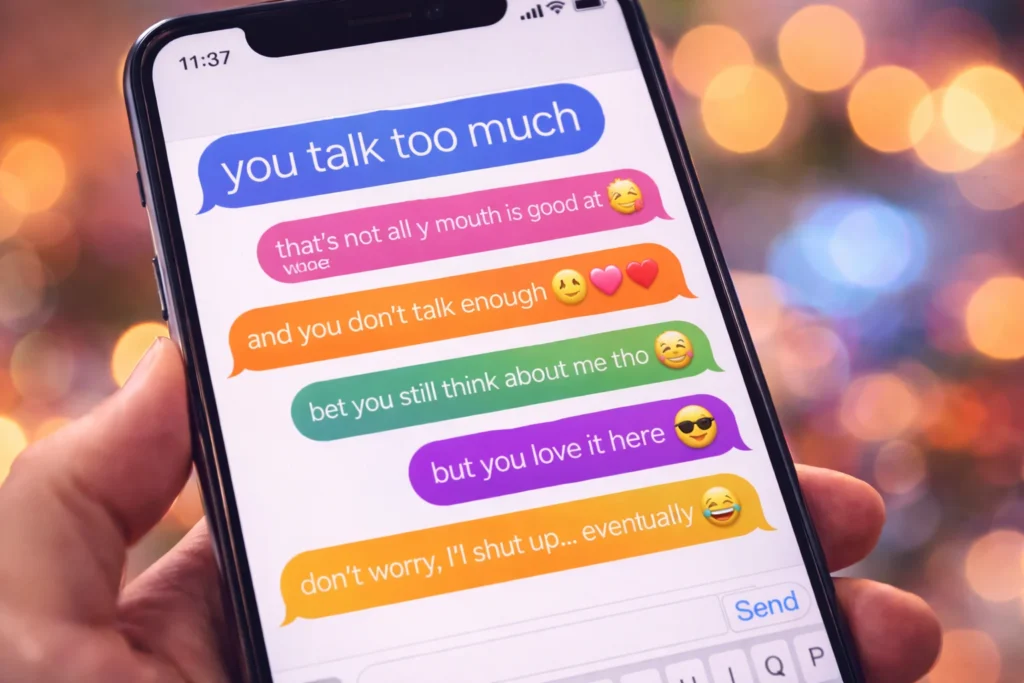
If someone says you talk too much, don’t panic. It can be playful, rude, or even flirty depending on the tone. The best move is to match the vibe and respond with confidence or humor.
Top quick replies:
“Good thing I make it interesting,” “Someone has to keep things alive,” “You’re welcome for the entertainment,” “I call it personality,” “Better than awkward silence.”
We’ve all been there. You’re texting your crush, chatting with friends, or even speaking up in a meeting, and suddenly someone drops the line, “you talk too much.” Ouch… or is it? Depending on how it’s said, it could be teasing, criticism, or even a low-key compliment about your energy.
The truth is, how you respond matters just as much as what they said. A confident or witty reply can flip the situation in your favor, while the wrong response might make things awkward. You want to be funny, savage, flirty, or professional, having the right comeback ready keeps you in control.
So instead of overthinking, here are the best text-ready replies to use when someone says talk too much.
Funny Responses
- “I’m not talking too much, you’re just listening too slow.”
Example: When a friend jokingly complains during a chat.
Meaning: Playfully shifts the blame in a humorous way. - “It’s called a personality, look it up.”
Example: When someone teases you in a group.
Meaning: Confident humor that embraces your energy. - “Breaking news, I’m interesting.”
Example: When you want to lighten the mood.
Meaning: Turns criticism into a joke. - “I come with bonus commentary.”
Example: During casual conversations with friends.
Meaning: Shows you’re self-aware and fun. - “Someone has to carry this conversation.”
Example: When the other person is quiet.
Meaning: Funny way to highlight your effort. - “You’d miss it if I stopped.”
Example: When teasing someone close to you.
Meaning: Suggests your talking adds value. - “Sorry, I thought this was a podcast.”
Example: In a playful setting.
Meaning: Jokes about talking a lot in a trendy way. - “I’m giving you premium content for free.”
Example: When joking with friends.
Meaning: Makes your talking sound valuable. - “Mute button exists for a reason.”
Example: When texting or online chats.
Meaning: Light sarcasm with humor. - “I’m just warming up.”
Example: When you want to exaggerate.
Meaning: Adds a dramatic funny twist. - “Imagine if I was quiet… scary, right?”
Example: With close friends.
Meaning: Suggests silence would be weird. - “I talk, therefore I am.”
Example: When being witty.
Meaning: Smart humor referencing philosophy. - “At least I’m not boring.”
Example: In a playful comeback.
Meaning: Turns it into a positive trait. - “You’re welcome for the entertainment.”
Example: During lively chats.
Meaning: Suggests your talking is enjoyable. - “This is my talent, don’t hate.”
Example: When joking around.
Meaning: Embraces your talkative nature confidently.
Savage Responses
- “And you don’t say enough.”
Example: When someone criticizes you bluntly.
Meaning: Claps back with equal intensity. - “Better than saying nothing useful.”
Example: In a slightly heated moment.
Meaning: Implies your words have value. - “At least I have something to say.”
Example: When someone tries to shut you down.
Meaning: Asserts confidence and presence. - “Funny, I didn’t ask for feedback.”
Example: When annoyed.
Meaning: Sets a boundary sharply. - “You could always leave.”
Example: In a bold response.
Meaning: Shows you won’t shrink yourself. - “Your silence isn’t as impressive as you think.”
Example: When being challenged.
Meaning: Calls out their attitude. - “I talk, you judge. We all have hobbies.”
Example: With sarcasm.
Meaning: Highlights their behavior humorously. - “Not everyone’s built for personality.”
Example: When you want to be savage.
Meaning: Implies they lack energy. - “You’re still listening though.”
Example: During arguments.
Meaning: Points out your influence. - “If it bothers you, that’s a you problem.”
Example: Setting boundaries.
Meaning: Makes it clear you’re unbothered. - “I’d rather be loud than irrelevant.”
Example: Confident clapback.
Meaning: Embraces visibility. - “Thanks for noticing me.”
Example: Slightly sarcastic tone.
Meaning: Turns criticism into attention. - “I’m not here to be quiet.”
Example: When standing your ground.
Meaning: Strong self-expression. - “Say less… oh wait, you already do.”
Example: With sass.
Meaning: Clever and cutting. - “Stay mad, I’ll stay talking.”
Example: Bold response.
Meaning: Shows confidence and dominance.
Flirty Responses
- “Only around people I like.”
Example: When talking to a crush.
Meaning: Subtle compliment. - “You love it though.”
Example: Playful flirting.
Meaning: Suggests attraction. - “I just have a lot to say to you.”
Example: In romantic chats.
Meaning: Shows interest. - “Guess I’m comfortable around you.”
Example: Soft flirty vibe.
Meaning: Builds emotional connection. - “Should I stop or keep entertaining you?”
Example: Teasing tone.
Meaning: Invites engagement. - “You’re the reason I talk so much.”
Example: With a smile.
Meaning: Romantic twist. - “Careful, I might start talking about us.”
Example: Flirty banter.
Meaning: Suggests deeper interest. - “I can be quiet… if you’re boring.”
Example: Playful tease.
Meaning: Keeps flirting fun. - “You’re just giving me attention, I like it.”
Example: Light flirting.
Meaning: Acknowledges connection. - “I talk more when I’m into someone.”
Example: Subtle hint.
Meaning: Shows attraction. - “Don’t worry, I’ll whisper next time.”
Example: Cute flirt.
Meaning: Soft teasing tone. - “You’re my favorite audience.”
Example: Romantic vibe.
Meaning: Makes them feel special. - “I can stop… but do you want me to?”
Example: Engaging question.
Meaning: Keeps tension playful. - “You’re just jealous of my energy.”
Example: Flirty tease.
Meaning: Light confidence. - “Admit it, you like hearing me.”
Example: Playful confidence.
Meaning: Builds attraction.
Polite Responses
- “I’ll try to keep it shorter.”
Example: In formal settings.
Meaning: Shows respect. - “Thanks for the feedback.”
Example: At work.
Meaning: Professional acknowledgment. - “I appreciate the reminder.”
Example: Calm tone.
Meaning: Shows maturity. - “Got it, I’ll be mindful.”
Example: During meetings.
Meaning: Reflective response. - “I’ll keep it brief next time.”
Example: Professional context.
Meaning: Shows adaptability. - “Thanks, I didn’t notice.”
Example: Friendly tone.
Meaning: Accepts feedback lightly. - “I’ll work on that.”
Example: Honest moment.
Meaning: Shows growth mindset. - “Noted, I’ll balance it better.”
Example: In teamwork.
Meaning: Shows awareness. - “I get carried away sometimes.”
Example: Casual apology.
Meaning: Acknowledges behavior. - “Thanks for pointing it out.”
Example: Respectful tone.
Meaning: Shows openness. - “I’ll give others more space.”
Example: Group setting.
Meaning: Considerate reply. - “I’ll keep it concise.”
Example: Professional talk.
Meaning: Shows control. - “Fair enough, I’ll adjust.”
Example: Balanced response.
Meaning: Accepts gracefully. - “I appreciate your honesty.”
Example: Calm discussion.
Meaning: Keeps peace. - “I’ll be more mindful next time.”
Example: Work or formal chats.
Meaning: Shows responsibility.
Sarcastic Responses
- “Wow, what a shocking discovery.”
Example: With friends.
Meaning: Playful sarcasm. - “No way, really?”
Example: Light teasing.
Meaning: Pretends surprise. - “Thanks, Sherlock.”
Example: Casual sarcasm.
Meaning: Calls out obviousness. - “Breaking news again?”
Example: Repetitive teasing.
Meaning: Jokes about repetition. - “I had no idea, thanks.”
Example: Mock sincerity.
Meaning: Sarcastic acceptance. - “Should I send a memo?”
Example: Playful tone.
Meaning: Adds humor. - “Glad you finally noticed.”
Example: Confident sarcasm.
Meaning: Embraces it. - “Next you’ll say I breathe too much.”
Example: Over-the-top joke.
Meaning: Highlights exaggeration. - “This just in, I exist loudly.”
Example: Dramatic sarcasm.
Meaning: Self-aware humor. - “Call the authorities.”
Example: Dramatic joke.
Meaning: Mocks seriousness. - “Should I apologize for being interesting?”
Example: With sass.
Meaning: Defends yourself. - “Let me guess, I’m also fun?”
Example: Playful tone.
Meaning: Adds humor. - “I’ll submit a report next time.”
Example: Workplace sarcasm.
Meaning: Mocks formality. - “Oh no, personality detected.”
Example: Funny tone.
Meaning: Embraces trait. - “I’ll try being boring instead.”
Example: Light sarcasm.
Meaning: Flips criticism.
Cute Responses
- “Oops, I got excited.”
Example: With close friends.
Meaning: Innocent and sweet. - “I just like talking to you.”
Example: Soft tone.
Meaning: Shows affection. - “My brain runs fast.”
Example: Lighthearted.
Meaning: Explains energy. - “I’ll try to behave.”
Example: Playful.
Meaning: Cute acknowledgment. - “I’m just chatty today.”
Example: Casual vibe.
Meaning: Keeps it light. - “I can be quiet… sometimes.”
Example: Playful.
Meaning: Teasing honesty. - “You make me talk more.”
Example: Sweet tone.
Meaning: Shows comfort. - “I promise I’m done… maybe.”
Example: Cute tease.
Meaning: Keeps mood fun. - “I like sharing things.”
Example: Friendly vibe.
Meaning: Open personality. - “My thoughts don’t have brakes.”
Example: Funny cute.
Meaning: Explains chatter. - “I’m in a talkative mood.”
Example: Casual.
Meaning: Simple explanation. - “You’re fun to talk to.”
Example: Sweet reply.
Meaning: Compliment. - “I’ll keep it short next time.”
Example: Light tone.
Meaning: Gentle response. - “I just have a lot to say.”
Example: Honest.
Meaning: Expressive nature. - “Talking is my love language.”
Example: Cute and modern.
Meaning: Shows personality.
Confident Responses
- “I express myself, that’s a strength.”
Example: Self-assured tone.
Meaning: Embraces communication. - “I’m comfortable being myself.”
Example: Calm reply.
Meaning: Shows confidence. - “I enjoy conversations.”
Example: Neutral tone.
Meaning: Positive framing. - “That’s just who I am.”
Example: Firm tone.
Meaning: Self-acceptance. - “I value communication.”
Example: Professional vibe.
Meaning: Highlights importance. - “I like sharing ideas.”
Example: Work setting.
Meaning: Shows engagement. - “I bring energy to conversations.”
Example: Confident tone.
Meaning: Reframes trait positively. - “Silence isn’t my thing.”
Example: Honest reply.
Meaning: Owns personality. - “I’m not afraid to speak up.”
Example: Strong tone.
Meaning: Shows courage. - “I’d rather be expressive.”
Example: Calm confidence.
Meaning: Values openness. - “That’s part of my charm.”
Example: Light confidence.
Meaning: Self-love. - “I like being heard.”
Example: Direct tone.
Meaning: Honest communication. - “I contribute, that’s important.”
Example: Professional.
Meaning: Shows value. - “I’m engaged, not excessive.”
Example: Balanced tone.
Meaning: Corrects perception. - “Confidence sounds like talking sometimes.”
Example: Reflective.
Meaning: Reframes criticism.
Chill And Casual Responses
- “Yeah, sometimes.”
Example: Relaxed tone.
Meaning: No big deal. - “I get carried away.”
Example: Casual chat.
Meaning: Light acknowledgment. - “It happens.”
Example: Neutral.
Meaning: Doesn’t overreact. - “Just in the mood.”
Example: Easygoing.
Meaning: Explains briefly. - “I’ll slow it down.”
Example: Calm reply.
Meaning: Adjusts casually. - “Good conversations do that.”
Example: Friendly tone.
Meaning: Positive spin. - “I’m vibing.”
Example: Modern slang.
Meaning: Enjoying moment. - “All good.”
Example: Chill vibe.
Meaning: No tension. - “Noted.”
Example: Short reply.
Meaning: Acknowledges simply. - “Fair enough.”
Example: Balanced.
Meaning: Accepts lightly. - “I’ll chill.”
Example: Casual tone.
Meaning: Adjusts easily. - “No stress.”
Example: Relaxed vibe.
Meaning: Keeps it calm. - “I hear you.”
Example: Friendly.
Meaning: Acknowledges politely. - “Cool, I’ll keep it short.”
Example: Easygoing.
Meaning: Adjusts without drama. - “Gotcha.”
Example: Simple reply.
Meaning: Quick acknowledgment.
Emotional Responses
- “I just like being heard.”
Example: Honest moment.
Meaning: Expresses vulnerability. - “Talking helps me process things.”
Example: Deep conversation.
Meaning: Explains behavior. - “I didn’t mean to overwhelm you.”
Example: Gentle tone.
Meaning: Shows care. - “I get excited sharing things.”
Example: Soft reply.
Meaning: Honest explanation. - “I’ll try to balance it better.”
Example: Reflective.
Meaning: Shows growth. - “I just enjoy connecting.”
Example: Emotional tone.
Meaning: Values relationships. - “I didn’t realize it bothered you.”
Example: Calm discussion.
Meaning: Awareness. - “Thanks for telling me.”
Example: Mature tone.
Meaning: Appreciates honesty. - “I’ll be more mindful.”
Example: Self-aware.
Meaning: Willing to improve. - “I talk when I feel comfortable.”
Example: Honest reply.
Meaning: Shows trust. - “I didn’t mean to overdo it.”
Example: Gentle tone.
Meaning: Apologetic. - “I’ll give you space to talk too.”
Example: Balanced.
Meaning: Considerate. - “I just had a lot on my mind.”
Example: Emotional.
Meaning: Explains reason. - “I’ll slow down a bit.”
Example: Calm tone.
Meaning: Adjusting behavior. - “I appreciate you being honest.”
Example: Mature response.
Meaning: Values communication.
Creative Responses
- “My thoughts just have VIP access to my mouth.”
Example: When joking about being expressive.
Meaning: Playfully explains why you talk a lot. - “I’m basically a live commentary channel.”
Example: During fun conversations.
Meaning: Turns talking into entertainment. - “Words are my cardio.”
Example: Light, funny moment.
Meaning: Suggests talking is natural and constant. - “I’m narrating my own life story.”
Example: Casual setting.
Meaning: Makes it sound artistic. - “Silence and I are not on speaking terms.”
Example: Playful humor.
Meaning: Suggests you naturally avoid quiet. - “I’ve got a playlist of thoughts on shuffle.”
Example: When being quirky.
Meaning: Shows your mind is always active. - “My brain doesn’t believe in drafts.”
Example: Funny context.
Meaning: You say things instantly. - “I’m just thinking out loud… a lot.”
Example: Honest but light.
Meaning: Explains your habit creatively. - “I turn thoughts into podcasts.”
Example: Modern humor.
Meaning: Compares talking to content creation. - “My ideas refuse to stay inside.”
Example: Creative tone.
Meaning: Shows expressive nature. - “I bring subtitles to silence.”
Example: Clever setting.
Meaning: Adds humor to your talking habit. - “I’m a walking voice note.”
Example: Casual joke.
Meaning: Relates to texting culture. - “My words have main character energy.”
Example: Trendy tone.
Meaning: Shows confidence and personality. - “I convert silence into stories.”
Example: Creative vibe.
Meaning: Makes talking sound meaningful. - “Talking is just my superpower.”
Example: Playful response.
Meaning: Reframes it as a strength.
Professional Responses
- “I’ll keep my points more concise.”
Example: In meetings.
Meaning: Shows awareness and professionalism. - “Thanks, I’ll be more brief.”
Example: Work discussion.
Meaning: Accepts feedback calmly. - “I appreciate the input, I’ll adjust.”
Example: Team setting.
Meaning: Shows maturity. - “I’ll focus on key highlights.”
Example: Presentations.
Meaning: Keeps communication effective. - “I’ll make sure to be more concise.”
Example: Formal context.
Meaning: Professional improvement. - “Thanks for pointing that out.”
Example: Workplace tone.
Meaning: Respectful acknowledgment. - “I’ll streamline my responses.”
Example: Business setting.
Meaning: Shows efficiency. - “I’ll prioritize clarity and brevity.”
Example: Formal meetings.
Meaning: Balanced communication. - “I’ll keep it short and focused.”
Example: Office discussion.
Meaning: Professional tone. - “Understood, I’ll adjust my delivery.”
Example: Feedback scenario.
Meaning: Shows adaptability. - “I’ll be more mindful of time.”
Example: Group meetings.
Meaning: Respect for others. - “I’ll stick to essentials.”
Example: Work context.
Meaning: Focused communication. - “Thanks, I’ll refine my responses.”
Example: Professional growth.
Meaning: Shows willingness to improve. - “I’ll balance my input better.”
Example: Team discussion.
Meaning: Awareness of others. - “I’ll ensure I’m adding value efficiently.”
Example: Workplace tone.
Meaning: Confident and professional.
Clever Responses
- “Talking too much or communicating effectively?”
Example: Thoughtful reply.
Meaning: Challenges their perspective. - “Quantity doesn’t cancel quality.”
Example: Smart tone.
Meaning: Defends your talking. - “I prefer expressive over silent.”
Example: Calm response.
Meaning: Reframes trait positively. - “Words are tools, I just use them well.”
Example: Clever context.
Meaning: Shows confidence in communication. - “Better too much than too little sometimes.”
Example: Balanced reply.
Meaning: Justifies your style. - “Communication is kind of important.”
Example: Subtle sarcasm.
Meaning: Highlights necessity. - “At least nothing goes unsaid.”
Example: Reflective tone.
Meaning: Values openness. - “Clarity often sounds like ‘too much.’”
Example: Thoughtful moment.
Meaning: Challenges criticism. - “I call it being thorough.”
Example: Smart tone.
Meaning: Reframes positively. - “Silence isn’t always golden.”
Example: Insightful reply.
Meaning: Adds depth. - “I’m just making sure I’m understood.”
Example: Calm explanation.
Meaning: Emphasizes clarity. - “I’d rather explain than confuse.”
Example: Logical response.
Meaning: Shows purpose. - “Words are better than assumptions.”
Example: Thoughtful tone.
Meaning: Promotes communication. - “I think out loud, it works for me.”
Example: Honest reply.
Meaning: Self-awareness. - “Expressing isn’t the same as overdoing.”
Example: Balanced argument.
Meaning: Corrects perception.
FAQs
What does “talk too much” mean?
It usually means someone thinks you’re speaking a lot, either playfully or as criticism.
Can it be flirty?
Yes, sometimes it’s teasing and actually shows they enjoy your energy.
Is it rude to say?
It depends on tone. It can be joking or slightly dismissive.
What should I say if I don’t agree?
Use a confident or humorous reply to stand your ground.
Is humor a good response?
Yes, humor is often the best way to keep things light and fun.
Conclusion
Being told you “talk too much” doesn’t have to be awkward or negative. In fact, it’s often a chance to show your personality, confidence, and quick wit. You choose a funny comeback, a flirty reply, or a calm and polite response, the key is owning your voice.
Your energy is what makes conversations memorable. So don’t shrink yourself just to fit someone else’s comfort zone. Instead, choose the reply that matches your vibe and the situation.
Save this list, share it with friends, and try out different responses the next time someone says you talk too much. Who knows, your comeback might just steal the spotlight.
Discover More Related Articles:
- 389 Respond When Someone Says “I’m Hungry”: That Make Them Laugh In 2026
- 350 Best Respond When Someone Says “I’m Tired”: Feel So Real In 2026