
Definition:
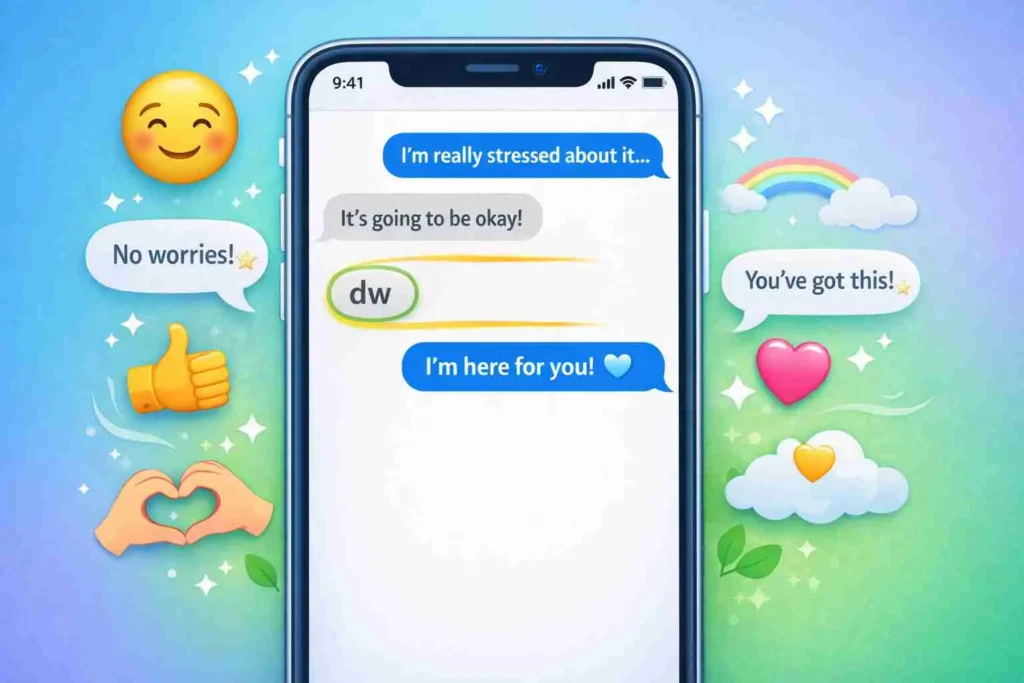
“DW” in text usually means “Don’t Worry.” It’s a casual abbreviation used in messages, chats and social media to reassure someone, reduce concern or keep the conversation relaxed and positive.
You’re scrolling through your messages, and someone replies with “dw 😊.” Simple, right? But what exactly does it mean and more importantly, how should you interpret the tone behind it?
Text abbreviations like “dw” have become a core part of modern digital communication. Whether you’re texting friends, chatting on social media, or messaging colleagues, these shortcuts save time and add personality. But understanding the subtle tone behind them can make a big difference in how your message is received or misunderstood.
In this guide, we’ll break down everything you need to know about “dw” its meaning, origins, real-world usage, tone variations, and even when not to use it.
What Does “DW” Mean in Text?
At its core, “dw” stands for “don’t worry.”
It’s commonly used to:
- Reassure someone
- Calm concerns or anxiety
- Dismiss something as unimportant
- Keep the conversation light and casual
Quick Examples:
- “I’ll handle it, dw.”
- “dw about the delay!”
- “You forgot? dw, it’s fine 👍”
Origin and Popularity of “DW”
Like many texting abbreviations, “dw” emerged during the early days of instant messaging and SMS texting. Back when character limits were strict and typing on keypad phones took effort, abbreviations like “lol,” “brb,” and “dw” became essential.
Why “DW” Became Popular:
- Speed: Faster typing in casual chats
- Convenience: Saves space in short messages
- Tone: Feels more relaxed and friendly
- Digital Culture: Widely adopted across platforms like WhatsApp, Instagram, Snapchat, and gaming chats
Today, “dw” is especially common among younger users and in informal conversations, but it’s widely understood across most age groups.
How “DW” Is Used in Real Conversations
“dw” isn’t just about the words it’s about tone and context. Depending on how it’s used, it can come across as warm, neutral, or even slightly dismissive.
1. Friendly and Reassuring Tone 😊
This is the most common use.
- “You missed the meeting?”
→ “dw, I’ll send you the notes!” - “Sorry I’m late!”
→ “dw, I just got here too!”
👉 Meaning: Everything’s okay, no stress.
2. Casual and Neutral Tone 😐
Sometimes it’s just a quick way to move on.
- “I couldn’t finish it today.”
→ “dw, we can do it tomorrow.”
👉 Meaning: Not a big deal, let’s continue.
3. Slightly Dismissive Tone 😒
In some contexts, “dw” can feel a bit cold or uninterested.
- “Are you upset?”
→ “dw about it.”
👉 Meaning: I don’t want to discuss it.
⚠️ Tone depends heavily on punctuation and context. Adding emojis or extra words can soften it.
Example Table: “DW” in Different Contexts
| Situation | Example Message | Tone | Meaning |
|---|---|---|---|
| Friend apologizing | “dw, it’s fine!” | Friendly | No problem at all |
| Work delay | “dw, we’ll fix it tomorrow” | Neutral | Not urgent |
| Avoiding topic | “dw about it.” | Dismissive | Don’t ask further |
| Helping someone | “dw, I got you 👍” | Supportive | I’ll take care of it |
| Minor mistake | “dw lol it happens” | Lighthearted | It’s okay |
Tone Matters: How to Interpret “DW”
Because “dw” is short, it can sometimes feel vague. Here’s how to read between the lines:
Positive Signals:
- Emojis 😊👍😂
- Extra words (“dw, it’s okay”)
- Friendly context
Neutral Signals:
- Simple “dw”
- Straightforward replies
Negative Signals:
- Short, abrupt responses
- No punctuation or emotion
- Context of tension
👉 Tip: If unsure, consider the relationship and conversation tone.
When Should You Use “DW”?
Good Situations:
- Casual chats with friends
- Reassuring someone quickly
- Informal online conversations
- Social media comments
Avoid Using “DW” When:
- Writing formal emails
- Communicating professionally
- Talking to someone who may misinterpret tone
- Addressing serious concerns
Polite and Professional Alternatives
If you want to sound more formal or respectful, here are better options:
| Casual “DW” | Professional Alternative |
|---|---|
| dw | Don’t worry |
| dw, it’s fine | No problem at all |
| dw about it | Please don’t be concerned |
| dw I’ll do it | I’ll take care of it |
| dw, no issue | There’s no issue |
👉 These alternatives are ideal for workplace communication or formal writing.
Comparison With Similar Text Abbreviations
“dw” isn’t the only abbreviation used for reassurance. Here’s how it compares:
| Abbreviation | Meaning | Tone |
|---|---|---|
| dw | Don’t worry | Reassuring |
| np | No problem | Casual and friendly |
| nvm | Never mind | Dismissive or neutral |
| it’s ok | It’s okay | More emotional |
| all good | Everything is fine | Relaxed and modern |
Key Differences:
- “dw” → focuses on calming someone
- “np” → focuses on removing blame
- “nvm” → ends the conversation
Alternate Meanings of “DW”
While “don’t worry” is the most common meaning, “dw” can have other interpretations depending on context:
- Dear Wife (informal shorthand)
- Doctor Who (fan discussions)
- Data Warehouse (technical/business context)
👉 Always consider the situation before assuming the meaning.
Real-Life Usage Scenarios
1. Texting Friends
“Sorry I forgot your birthday 😭”
→ “dw 😂 just bring cake next time”
2. Workplace Chat (Informal)
“I’ll send the file late”
→ “dw, tomorrow works”
3. Social Media Comments
“Oops I messed up the post”
→ “dw it still looks great!”
4. Gaming Chat
“My bad team!”
→ “dw we got this 💪”
Common Mistakes to Avoid
- ❌ Using “dw” in serious conversations
- ❌ Sounding dismissive unintentionally
- ❌ Using it with people unfamiliar with slang
- ❌ Overusing abbreviations in professional settings
👉 Always match your tone to your audience.
FAQs
What does dw mean in texting?
“dw” means “don’t worry.” It’s a casual abbreviation used to reassure someone or tell them not to stress about something.
Is dw rude or polite?
“dw” is generally polite and friendly, but it can sound dismissive depending on context, tone, and punctuation.
Can dw be used in professional messages?
It’s better to avoid “dw” in professional settings and use full phrases like “don’t worry” or “no problem” instead.
What is the difference between dw and np?
“dw” reassures someone not to worry, while “np” (no problem) focuses on saying something wasn’t an issue.
Does dw always mean don’t worry?
Most of the time yes, but in rare contexts it can mean things like “dear wife” or “Doctor Who.”
How do you respond to dw in a text?
You can respond with “thanks,” “okay,” or continue the conversation naturally depending on context.
Is dw commonly used on social media?
Yes, it’s widely used on platforms like WhatsApp, Instagram, Snapchat, and in casual chats.
Can dw sound dismissive?
Yes, especially if used alone without emojis or context, it can feel like the person is brushing off the topic.
Conclusion
“dw” may be just two letters, but it carries a lot of meaning in modern communication. At its heart, it’s a quick and friendly way to say “don’t worry,” helping to ease tension, reassure others, and keep conversations flowing smoothly.
However, like many text abbreviations, its tone depends heavily on context. Add a smiley face, and it feels warm and supportive. Use it abruptly, and it might come across as dismissive. The key is knowing your audience and choosing the right moment to use it.
In casual chats, “dw” works perfectly. In professional settings, it’s better to spell things out. And when in doubt, a little extra clarity can go a long way.
Mastering small phrases like this can make your communication more effective, more human, and a lot more relatable.
Discover More Related Articles:
- “CFS” Meaning Slang: What It Stands For, How to Use It & When It Fits In 2026
- “CYA” Meaning: Hidden Meaning You Should Know In 2026
- “LGHT” Meaning: What Everyone Is Using in Chats Right Now In 2026