Quick Answer 🔥
When someone is clearly faking empathy, the best response is calm, sharp, and controlled. You don’t need drama. You need clarity.
Top quick replies: “That sounds rehearsed.”, “You don’t have to pretend.”, “Be real with me.”, “I’d rather honesty.”, “That felt forced.”
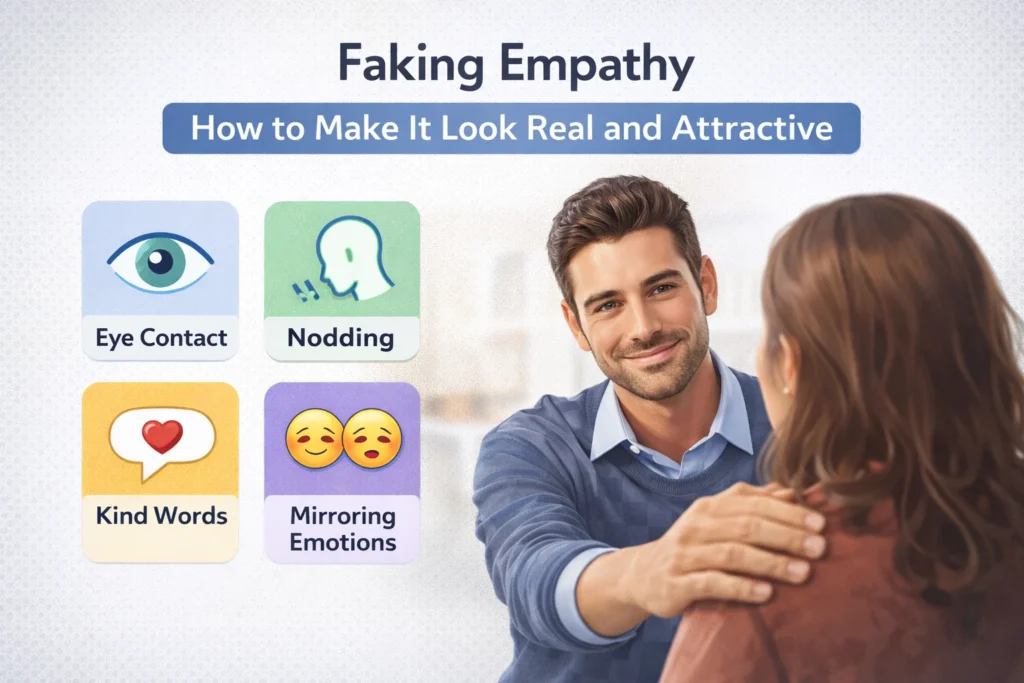
You know that moment. Someone says “I totally understand” but their face, tone, or timing screams otherwise. Maybe it’s in a group chat. And maybe it’s your coworker acting concerned after gossiping about you. Maybe it’s someone in your DMs trying way too hard to sound supportive.
That awkward energy? That’s faking empathy.
And responding to fake concern is tricky. You don’t want to overreact. But you also don’t want to play along with a performance.
The right response keeps your dignity, protects your boundaries, and subtly lets them know you’re not buying it.
Here are smart, funny, classy, and savage responses to faking empathy that are completely text-message ready.
Savage Responses
- “That sounded scripted.”
Example: A coworker pretends to care after criticizing you.
Meaning: Calls out the artificial tone directly. - “You don’t have to audition.”
Example: Someone overacts sympathy in front of others.
Meaning: Implies they’re performing. - “Be real or don’t bother.”
Example: Fake supportive friend moment.
Meaning: Sets a clear boundary. - “That concern feels convenient.”
Example: They only care when others are watching.
Meaning: Highlights timing inconsistency. - “Save the speech.”
Example: Overdramatic sympathy.
Meaning: Rejects the performance. - “You rehearsed that?”
Example: Over-polished supportive message.
Meaning: Questions authenticity. - “I prefer honesty.”
Example: Passive aggressive sympathy.
Meaning: Demands sincerity. - “That energy doesn’t match.”
Example: Their tone feels off.
Meaning: Points out inconsistency. - “It’s giving PR statement.”
Example: Corporate style apology.
Meaning: Calls it staged. - “You can drop the act.”
Example: Forced comfort moment.
Meaning: Direct exposure. - “That felt performative.”
Example: Public sympathy post.
Meaning: Accuses fake compassion. - “Interesting timing.”
Example: They ignored you earlier.
Meaning: Subtle callout. - “Let’s not pretend.”
Example: Obvious insincerity.
Meaning: Clears the air. - “That’s not how you felt earlier.”
Example: They switched sides.
Meaning: Exposes inconsistency. - “Authenticity costs nothing.”
Example: Fake concern tone.
Meaning: Encourages realness.
Calm And Classy Responses
- “I appreciate the thought.”
Example: You sense insincerity but stay polite.
Meaning: Graceful acknowledgment without buying in. - “Thanks for saying that.”
Example: Surface-level empathy.
Meaning: Keeps things neutral. - “I’ll handle it.”
Example: Forced advice.
Meaning: Reclaims control. - “That’s kind of you.”
Example: Public sympathy.
Meaning: Polite but distant. - “I’m okay.”
Example: Overdone concern.
Meaning: Reassures and closes topic. - “Noted.”
Example: Scripted apology.
Meaning: Minimal engagement. - “We’re good.”
Example: Awkward sympathy.
Meaning: Signals no drama. - “I understand.”
Example: Hollow reassurance.
Meaning: Mature tone. - “I’ll think about that.”
Example: Forced advice.
Meaning: Non-committal reply. - “Thanks for checking in.”
Example: Late empathy attempt.
Meaning: Keeps it civil. - “All good.”
Example: Overcompensation.
Meaning: Smooth closure. - “I’ve got it covered.”
Example: Fake assistance offer.
Meaning: Shows independence. - “Appreciate it.”
Example: Insincere sympathy.
Meaning: Short and safe. - “Understood.”
Example: Robotic empathy.
Meaning: Keeps composure. - “We’ll leave it there.”
Example: Forced emotional talk.
Meaning: Ends conversation gracefully.
Funny Responses
- “Should I clap?”
Example: Over-the-top concern.
Meaning: Treats it like a performance. - “That deserves an award.”
Example: Dramatic sympathy.
Meaning: Mock theatrical tone. - “Was that improv?”
Example: Over rehearsed empathy.
Meaning: Light teasing. - “Is this method acting?”
Example: Clearly fake tone.
Meaning: Playful callout. - “Cue the soft music.”
Example: Dramatic comfort speech.
Meaning: Cinematic sarcasm. - “You almost convinced me.”
Example: Weak performance.
Meaning: Playful doubt. - “Oscar incoming.”
Example: Public sympathy moment.
Meaning: Dramatic exaggeration. - “Should I cry now?”
Example: Fake emotional support.
Meaning: Humor to break tension. - “That was cute.”
Example: Insincere apology.
Meaning: Gentle sarcasm. - “Do you practice in the mirror?”
Example: Perfectly polished sympathy.
Meaning: Light roast. - “10 out of 10 delivery.”
Example: Overacted concern.
Meaning: Applauds performance. - “That felt scripted.”
Example: Robotic tone.
Meaning: Calls out artificial vibe. - “Is this live?”
Example: Public fake empathy.
Meaning: Suggests showmanship. - “Streaming now?”
Example: Social media sympathy post.
Meaning: Highlights public act. - “You forgot the background music.”
Example: Dramatic tone.
Meaning: Humor through exaggeration.
Direct And Honest Responses
- “That doesn’t feel genuine.”
Example: Tone mismatch moment.
Meaning: Clear communication. - “I’d rather honesty.”
Example: Forced kindness.
Meaning: Encourages authenticity. - “You don’t have to pretend.”
Example: Obvious act.
Meaning: Removes pressure to perform. - “Say what you really mean.”
Example: Mixed signals.
Meaning: Requests clarity. - “That feels surface-level.”
Example: Generic empathy.
Meaning: Points out lack of depth. - “Be straight with me.”
Example: Hidden tone.
Meaning: Demands transparency. - “That energy feels off.”
Example: Body language mismatch.
Meaning: Identifies inconsistency. - “You don’t sound convinced.”
Example: Half-hearted support.
Meaning: Observational honesty. - “That’s not what you said earlier.”
Example: Contradictory empathy.
Meaning: Calls out inconsistency. - “It’s okay to disagree.”
Example: Fake agreement.
Meaning: Invites authenticity. - “Let’s skip the formalities.”
Example: Corporate tone.
Meaning: Encourages real talk. - “I can tell when it’s forced.”
Example: Obvious acting.
Meaning: Asserts awareness. - “We don’t have to fake this.”
Example: Awkward energy.
Meaning: Opens honest space. - “That’s not matching your vibe.”
Example: Tone inconsistency.
Meaning: Calls attention calmly. - “Just be real.”
Example: Surface sympathy.
Meaning: Simple request for truth.
Sarcastic Responses
- “Wow, that sounded like a TED Talk.”
Example: Someone overdramatizes concern.
Meaning: Playfully mocks their performance. - “I’ll alert the media.”
Example: They pretend sympathy publicly.
Meaning: Dramatic, humorous exaggeration. - “Should I cry now or later?”
Example: Over-the-top empathy.
Meaning: Turns it into a joke. - “Cue the slow music.”
Example: Their tone is overly dramatic.
Meaning: Highlights theatrical vibe. - “You almost got me.”
Example: Fake reassurance.
Meaning: Jokes about almost buying it. - “Is this improv night?”
Example: Insincere support.
Meaning: Sarcastic callout. - “10/10 delivery, 0/10 sincerity.”
Example: Fake sympathy in a group chat.
Meaning: Humorous observation of mismatch. - “Do I get an applause?”
Example: Overacting concern.
Meaning: Playful mockery. - “Should I grab popcorn?”
Example: Someone dramatizes support.
Meaning: Treats it like entertainment. - “Was that a practice run?”
Example: Rehearsed concern.
Meaning: Light teasing. - “I’d cry, but I left my tissues.”
Example: Forced emotional response.
Meaning: Humor to diffuse tension. - “Streaming live empathy now?”
Example: Public display of concern.
Meaning: Mocking the showmanship. - “Don’t forget the background music.”
Example: Over-the-top sympathy.
Meaning: Adds playful sarcasm. - “Should I rate this performance?”
Example: Someone fakes understanding.
Meaning: Humor with a roast. - “Is there a sequel?”
Example: Dramatic fake support.
Meaning: Exaggerates absurdity.
Confident & Unbothered Responses
- “I’m good, thanks.”
Example: Someone pretends to care.
Meaning: Calmly signals independence. - “It’s fine, really.”
Example: Overdramatic concern.
Meaning: Shows you’re not affected. - “No need to force it.”
Example: Fake sympathy.
Meaning: Polite but assertive. - “I’ve got it handled.”
Example: Someone offers help that feels insincere.
Meaning: Establishes control. - “We’re good here.”
Example: Obvious concern for show.
Meaning: Closes the conversation. - “Noted.”
Example: Fake concern in chat.
Meaning: Neutral acknowledgment. - “I’ll manage.”
Example: Half-hearted advice.
Meaning: Signals autonomy. - “That’s kind of you.”
Example: Forced kindness.
Meaning: Polite but keeps distance. - “Thanks, but I’m okay.”
Example: Overcompensation.
Meaning: Politely declines fake help. - “Appreciate it, really.”
Example: Obvious performance.
Meaning: Civil but guarded. - “Understood.”
Example: Robotic empathy.
Meaning: Controlled response. - “All good.”
Example: Over-the-top concern.
Meaning: Calm closure. - “I’ll take it from here.”
Example: Forced offer to assist.
Meaning: Reclaims independence. - “Let’s move on.”
Example: Drama-filled comment.
Meaning: Smoothly ends it. - “I’m fine, thanks.”
Example: Half-hearted empathy.
Meaning: Short, confident response.
Brutal Comebacks
- “Spare me the act.”
Example: Someone fakes sympathy.
Meaning: Cuts through the pretense. - “Do you practice this?”
Example: Rehearsed concern.
Meaning: Calls out artificiality. - “Save it for someone who buys it.”
Example: Fake empathy.
Meaning: Rejects insincere energy. - “That felt convenient.”
Example: Care only when it suits them.
Meaning: Highlights opportunism. - “We both know that’s not real.”
Example: Contradictory statements.
Meaning: Exposes dishonesty. - “Was that your best?”
Example: Obvious performance.
Meaning: Challenges effort. - “You missed the sincerity memo.”
Example: Robotic empathy.
Meaning: Sarcastic correction. - “Tone doesn’t match words.”
Example: They sound fake.
Meaning: Observational critique. - “I’d believe it if it was genuine.”
Example: Forced sympathy.
Meaning: Highlights doubt. - “Acting lessons are paying off?”
Example: Dramatic fake care.
Meaning: Light roast. - “Convenient empathy alert.”
Example: They only show concern publicly.
Meaning: Points out timing. - “That came out rehearsed.”
Example: Overly polished words.
Meaning: Direct exposure. - “I prefer honesty over theatrics.”
Example: Someone overdoes support.
Meaning: Demands real talk. - “You can drop the fake face now.”
Example: Obvious display.
Meaning: Calls it out. - “Not buying it.”
Example: Half-hearted concern.
Meaning: Short, brutal acknowledgment.
Cute But Subtle Callouts
- “Aww, almost felt real.”
Example: Friend tries to comfort.
Meaning: Playfully points out fakeness. - “That’s very sweet… almost.”
Example: Insincere apology.
Meaning: Gentle exposure. - “Nice try, buddy.”
Example: Fake understanding.
Meaning: Cute, teasing tone. - “Almost convinced me.”
Example: Obvious performance.
Meaning: Playful doubt. - “Your heart’s in the right place… I think.”
Example: Half-hearted empathy.
Meaning: Soft critique. - “That’s adorable, really.”
Example: Fake emotional support.
Meaning: Gentle mockery. - “I see you’re trying.”
Example: Overcompensation.
Meaning: Subtle callout. - “Effort points, zero sincerity.”
Example: Obvious act.
Meaning: Teasing exposure. - “Almost cute, almost convincing.”
Example: Fake sympathy.
Meaning: Playful tone. - “You tried, I’ll give you that.”
Example: Surface empathy.
Meaning: Mild acknowledgment. - “Close, but no.”
Example: They overdo it.
Meaning: Short and teasing. - “I appreciate the vibes.”
Example: Forced concern.
Meaning: Cute but distant. - “That’s a valiant effort.”
Example: Someone fakes care.
Meaning: Gentle roast. - “Almost got me there.”
Example: Fake empathy attempt.
Meaning: Light, playful exposure. - “Good try, though.”
Example: Overdone sympathy.
Meaning: Subtle acknowledgment with humor.
Clever & Witty Responses
- “Ah, I see rehearsed concern is trending.”
Example: Someone acts overly supportive.
Meaning: Humorous observation. - “Your sincerity is hard to find today.”
Example: Robotic empathy.
Meaning: Subtle roast. - “That’s giving staged reality show.”
Example: Obvious fake empathy.
Meaning: Clever exaggeration. - “I’d clap if it were real.”
Example: Forced sympathy.
Meaning: Sarcastic praise. - “Should I rate that performance?”
Example: Overacting friend.
Meaning: Humor plus roast. - “Plot twist: I’m not convinced.”
Example: Fake concern.
Meaning: Witty dismissal. - “That’s a charming façade.”
Example: Obvious act.
Meaning: Clever subtle callout. - “Almost Oscar-worthy.”
Example: Overdone empathy.
Meaning: Funny compliment with a hint of sarcasm. - “Did your coach approve this?”
Example: Rehearsed tone.
Meaning: Light, witty jab. - “You make fake look easy.”
Example: Friend overcompensating.
Meaning: Cleverly points out insincerity. - “Nice try at sympathy.”
Example: Obvious performance.
Meaning: Smart, short callout. - “Is this part of your routine?”
Example: Repeated fake behavior.
Meaning: Witty observation. - “That energy is… very public.”
Example: Concern only in front of others.
Meaning: Clever critique. - “Almost believable.”
Example: Half-hearted support.
Meaning: Short, witty assessment. - “Keep practicing, maybe someday.”
Example: Fake empathy attempt.
Meaning: Humor plus smart roast.
Polite But Firm Responses
- “Thanks, but I’m handling it.”
Example: Someone offers help you don’t need.
Meaning: Polite acknowledgment while keeping control. - “I appreciate the thought.”
Example: Obvious fake sympathy.
Meaning: Neutral and classy response. - “No need to pretend.”
Example: Over-the-top concern.
Meaning: Sets boundaries without hostility. - “I’ll manage, thanks.”
Example: Half-hearted assistance.
Meaning: Shows independence. - “I’m fine, really.”
Example: Someone dramatizes support.
Meaning: Calmly communicates self-sufficiency. - “That’s kind of you.”
Example: Surface-level empathy.
Meaning: Polite but keeps distance. - “I’ve got it under control.”
Example: Overcompensating friend.
Meaning: Signals autonomy. - “Not necessary.”
Example: Fake offers of help.
Meaning: Short, firm boundary. - “All good here.”
Example: Insincere concern in chat.
Meaning: Neutral and confident. - “Thanks for saying that.”
Example: Surface-level empathy.
Meaning: Acknowledges without engaging deeply. - “I’ll take care of it.”
Example: Over-the-top advice.
Meaning: Reclaims agency. - “Appreciate it, but it’s fine.”
Example: Someone overdoes support.
Meaning: Politely closes the topic. - “We’re good.”
Example: Dramatic sympathy.
Meaning: Ends conversation cleanly. - “Noted.”
Example: Robotic empathy.
Meaning: Minimal engagement. - “I’ll handle it my way.”
Example: Fake concern from coworker.
Meaning: Asserts independence.
Chill & Unbothered Responses
- “Cool, thanks.”
Example: Fake empathy text.
Meaning: Short, relaxed acknowledgment. - “No worries.”
Example: Someone overreacts supportively.
Meaning: Casual, unbothered tone. - “Alrighty then.”
Example: Awkward concern.
Meaning: Keeps conversation light. - “Sure, noted.”
Example: Half-hearted sympathy.
Meaning: Neutral and calm. - “That’s fine.”
Example: Obvious act.
Meaning: Minimal engagement. - “We move.”
Example: Overcompensation in chat.
Meaning: Smoothly changes topic. - “It’s all good.”
Example: Fake empathy post.
Meaning: Keeps it relaxed. - “Cool story, thanks.”
Example: Overdone support.
Meaning: Lightly sarcastic but calm. - “Alright, noted.”
Example: Dramatic concern.
Meaning: Simple acknowledgment. - “I’m okay.”
Example: Someone tries too hard.
Meaning: Calm reassurance. - “That works.”
Example: Over-the-top sympathy.
Meaning: Neutral, minimal. - “Thanks, really.”
Example: Surface empathy.
Meaning: Polite without engaging. - “Not a problem.”
Example: Fake offer of help.
Meaning: Casual, unbothered. - “We’re good here.”
Example: Dramatic performance.
Meaning: Confident closure. - “I got this.”
Example: Overcompensating concern.
Meaning: Signals independence.
Creative & Playful Responses
- “Should I add that to my highlight reel?”
Example: Someone fakes sympathy publicly.
Meaning: Humorously mocks the performance. - “Does this come with special effects?”
Example: Over-the-top support.
Meaning: Adds playful sarcasm. - “I’ll wait for the sequel.”
Example: Fake empathy in chat.
Meaning: Treats it like a show. - “Is this an emotional trailer?”
Example: Dramatic concern.
Meaning: Witty exaggeration. - “Almost award-winning.”
Example: Obvious performance.
Meaning: Playful critique. - “Is there a director in the room?”
Example: Public fake empathy.
Meaning: Adds humor with drama. - “I’ll rate it 3/5 sincerity.”
Example: Half-hearted concern.
Meaning: Witty measurement. - “Do we get behind-the-scenes footage?”
Example: Someone overacts support.
Meaning: Playful exposure. - “Is there a soundtrack?”
Example: Over-dramatized words.
Meaning: Sarcastic humor. - “Should I get popcorn?”
Example: Fake public empathy.
Meaning: Treats it like entertainment. - “Almost convincing.”
Example: Half-hearted sympathy.
Meaning: Playful acknowledgment. - “I’ll clap if it’s real.”
Example: Overcompensating friend.
Meaning: Humor with a subtle callout. - “That deserves a dramatic pause.”
Example: Obvious act.
Meaning: Sarcastic timing joke. - “Plot twist: I know you’re faking.”
Example: Dramatic text.
Meaning: Witty exposure. - “Is this your audition?”
Example: Fake concern in group chat.
Meaning: Light, clever roast.
FAQs
What does faking empathy mean?
It’s when someone pretends to care or understand but their tone, timing, or behavior shows otherwise.
Why do people fake empathy?
Sometimes to look good, avoid conflict, gain approval, or maintain an image.
Should you call out fake empathy directly?
It depends on the situation. Direct honesty works in close relationships. In professional settings, calm boundaries are better.
Is it rude to respond sarcastically?
Only if the tone is serious. With friends, humor can work. In sensitive moments, stay classy.
What’s the safest response?
Polite but neutral replies like “Thanks for saying that” keep you in control.
Conclusion
Faking empathy can feel more uncomfortable than no empathy at all. You can sense when the tone doesn’t match the energy. And that’s your cue.
You don’t need to argue. You don’t need to expose them loudly. The most powerful move is choosing a response that protects your peace.
You go savage, funny, calm, or direct, remember this: authenticity always wins. Stay sharp. Stay aware. And never feel pressured to play along with a performance.
Discover More Related Articles:
- 390 Savage Comebacks to ‘You Are a Noob’: Funny Replies in 2026
- 550 Hilarious ‘No Pressure’ Sarcasm Replies: Keep Humor Sharp in 2026