
🔥 Quick Answer
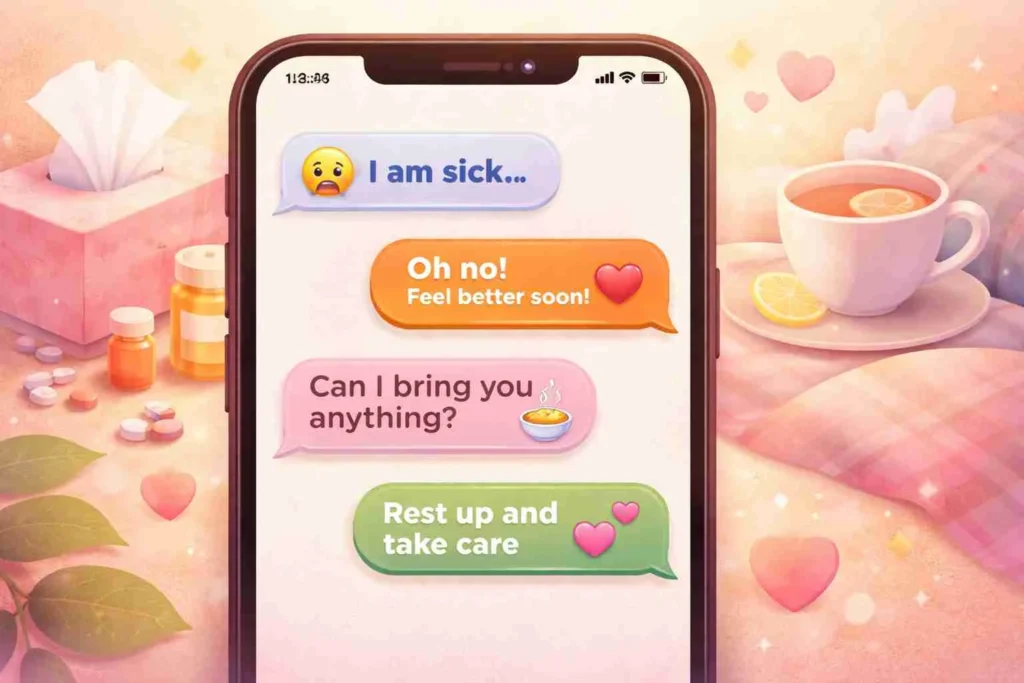
When someone says I am sick, the best replies are supportive, empathetic and simple. Show care, offer help, and keep the tone warm without being overwhelming.
Top alternatives: Hope you feel better soon, Take all the rest you need, I’m here for you, Let me know if you need anything, Sending you healing vibes.
When someone texts I am sick, it’s more than just information. It’s often a quiet way of saying they need comfort, attention, or reassurance. It’s a friend, coworker, partner, or family member, your response can make them feel supported instantly. Thoughtful responses to i am sick to show you care.
The right words can brighten their mood, reduce stress, and show that you genuinely care. In today’s fast-paced world, thoughtful replies matter more than ever. A simple message can build trust and strengthen relationships. Thoughtful responses to i am sick to show you care.
That’s why having thoughtful responses to I am sick ready to send can help you react with kindness instead of awkward silence. Below you’ll find categorized replies for every tone and situation. Thoughtful responses to i am sick to show you care.
Caring Responses
- I’m really sorry you’re feeling unwell.
Example: When a close friend tells you they are sick.
Meaning: Shows empathy and emotional support. - That sounds tough, I hope you rest well.
Example: When someone mentions being unwell at work.
Meaning: Encourages recovery and care. - I hope you feel better very soon.
Example: When replying to a short illness update.
Meaning: Expresses genuine concern. - Please take good care of yourself.
Example: When you want to show responsibility.
Meaning: Reminds them to prioritize health. - That must be uncomfortable.
Example: When they describe symptoms.
Meaning: Validates their experience. - I’m thinking about you.
Example: When someone is sick at home.
Meaning: Emotional reassurance. - Wishing you a smooth recovery.
Example: After surgery or flu.
Meaning: Positive healing wish. - I’m here if you need anything.
Example: Close relationship.
Meaning: Offers support. - Rest as much as you can.
Example: When they seem busy but sick.
Meaning: Encourages rest. - Health comes first.
Example: When they try to keep working.
Meaning: Prioritizes well-being. - Take all the time you need.
Example: Professional context.
Meaning: Shows understanding. - I hope today is easier for you.
Example: During ongoing illness.
Meaning: Gentle encouragement. - Sending you comfort and care.
Example: Friendly message.
Meaning: Warm support. - Please let me know how you’re doing.
Example: Ongoing check-in.
Meaning: Shows continued concern. - I truly hope you recover quickly.
Example: After hearing diagnosis.
Meaning: Sincere healing wish.
Supportive Responses
- Do you need anything right now?
Example: Close friend.
Meaning: Practical help offer. - Can I help with something?
Example: Family member.
Meaning: Shows willingness. - I’m just a message away.
Example: When they feel alone.
Meaning: Availability reassurance. - Let me know if I can drop anything off.
Example: Nearby relationship.
Meaning: Action-based support. - Focus on getting better.
Example: Work conversation.
Meaning: Encourages recovery. - Your health matters most.
Example: Serious tone.
Meaning: Emphasizes priority. - Don’t worry about anything else.
Example: When they stress.
Meaning: Reduces pressure. - I hope you’re taking medicine and resting.
Example: Careful check-in.
Meaning: Encourages proper care. - Keep me updated, please.
Example: Ongoing support.
Meaning: Staying involved. - I’m rooting for your recovery.
Example: Encouragement.
Meaning: Positive motivation. - You deserve rest right now.
Example: Overworked person.
Meaning: Validates downtime. - Take it slow today.
Example: Early illness stage.
Meaning: Gentle reminder. - Your body needs recovery time.
Example: After fever.
Meaning: Health awareness. - I’m here to help in any way.
Example: Close connection.
Meaning: Full support offer. - Let me know if you want company.
Example: When they feel lonely.
Meaning: Emotional presence.
Reassuring Responses
- You’re going to feel better soon.
Example: When someone sounds worried about their illness.
Meaning: Gives confidence in recovery. - This will pass, I promise.
Example: During a short-term sickness.
Meaning: Offers emotional comfort. - You are not alone in this.
Example: When they seem discouraged.
Meaning: Provides companionship and support. - I believe you’ll recover quickly.
Example: After hearing about symptoms.
Meaning: Shows optimism. - Take one day at a time.
Example: When recovery feels overwhelming.
Meaning: Encourages patience. - Everything will be okay.
Example: When they feel anxious.
Meaning: Reduces stress. - You’ll get through this.
Example: During tougher illness.
Meaning: Offers strength. - Rest today, recover tomorrow.
Example: When they need motivation to rest.
Meaning: Encourages balance. - Your body knows how to heal.
Example: During mild illness.
Meaning: Builds confidence in natural recovery. - I’m confident you’ll bounce back.
Example: When they are usually energetic.
Meaning: Encouragement. - Better days are coming.
Example: When illness feels long.
Meaning: Hopeful tone. - Stay positive and rest well.
Example: When they need motivation.
Meaning: Emotional reassurance. - You’ve handled worse before.
Example: When reminding them of strength.
Meaning: Builds resilience. - Recovery is already starting.
Example: When symptoms improve.
Meaning: Optimistic encouragement. - Keep believing in your healing.
Example: During ongoing illness.
Meaning: Emotional support.
Gentle Check In Responses
- How are you feeling right now?
Example: When continuing the conversation.
Meaning: Shows ongoing care. - Is there anything I can do?
Example: When offering help.
Meaning: Practical support. - Do you need anything at all?
Example: Close relationship.
Meaning: Open assistance. - Have you seen a doctor?
Example: When concerned about symptoms.
Meaning: Encourages medical care. - Are you getting enough rest?
Example: When they seem busy.
Meaning: Health reminder. - Did you take your medicine?
Example: When they mention treatment.
Meaning: Care-focused concern. - Would you like company?
Example: When they feel lonely.
Meaning: Emotional presence. - Can I call you later?
Example: When texting feels limited.
Meaning: Deeper support. - Let me know if you want to talk.
Example: When they need comfort.
Meaning: Emotional availability. - How can I help you feel better?
Example: Close friend situation.
Meaning: Supportive intention. - Should I bring anything over?
Example: Nearby connection.
Meaning: Practical care. - Do you want me to check in later?
Example: When giving space.
Meaning: Respectful support. - Is there anything urgent?
Example: If symptoms seem serious.
Meaning: Responsible concern. - How serious is it?
Example: When wanting clarity.
Meaning: Concerned inquiry. - Tell me what you need.
Example: When offering full support.
Meaning: Open willingness.
Compassionate Responses
- That sounds really uncomfortable.
Meaning: Validates their experience. - I’m truly sorry you’re feeling this way.
Meaning: Expresses empathy. - I can imagine that’s not easy.
Meaning: Emotional understanding. - It must be hard right now.
Meaning: Acknowledges difficulty. - I wish I could help more.
Meaning: Shows care. - I’m sending you comfort.
Meaning: Emotional support. - You deserve to feel better soon.
Meaning: Encouraging tone. - I hope you’re being kind to yourself.
Meaning: Promotes self-care. - It’s okay to slow down.
Meaning: Supports rest. - Your health is important.
Meaning: Reinforces priority. - I hope today is easier.
Meaning: Gentle encouragement. - Please take this time to recover.
Meaning: Encourages healing. - I care about you.
Meaning: Direct emotional support. - You matter a lot.
Meaning: Reassurance. - I’m here for you.
Meaning: Reliable support.
Empathetic Responses
- I can only imagine how you feel.
Example: When someone shares they are very sick.
Meaning: Shows emotional understanding. - That sounds really difficult.
Example: When they describe strong symptoms.
Meaning: Acknowledges their struggle. - I’m sorry you’re dealing with this.
Example: When illness disrupts plans.
Meaning: Expresses sympathy. - It must be frustrating.
Example: When recovery is slow.
Meaning: Validates emotions. - I understand that can be hard.
Example: When they feel weak.
Meaning: Offers compassion. - That doesn’t sound easy at all.
Example: When symptoms seem serious.
Meaning: Recognizes difficulty. - I hope you feel supported.
Example: When they are resting alone.
Meaning: Encourages emotional comfort. - I’m really glad you told me.
Example: When they share health updates.
Meaning: Shows appreciation. - Your comfort matters.
Example: When encouraging rest.
Meaning: Reinforces care. - I hope you’re managing okay.
Example: During ongoing illness.
Meaning: Gentle check-in. - That sounds exhausting.
Example: After describing symptoms.
Meaning: Emotional validation. - I wish things were easier for you.
Example: When illness is stressful.
Meaning: Empathy and concern. - It’s okay to feel upset.
Example: When they feel discouraged.
Meaning: Emotional reassurance. - I’m here emotionally for you.
Example: Close relationship.
Meaning: Strong support statement. - I truly care about how you’re doing.
Example: Meaningful connection.
Meaning: Genuine empathy.
Gentle And Calm Responses
- I hope you’re getting plenty of rest.
Example: When someone says they have the flu.
Meaning: Encourages recovery through rest. - Take things slowly today.
Example: When they are still feeling weak.
Meaning: Promotes a relaxed pace. - I hope your day feels manageable.
Example: During ongoing symptoms.
Meaning: Offers emotional ease. - Rest is the priority right now.
Example: When they mention being busy but sick.
Meaning: Reinforces health first. - I hope you’re comfortable at home.
Example: When they are recovering indoors.
Meaning: Shows care for their environment. - Try to relax as much as possible.
Example: When they seem stressed.
Meaning: Encourages calmness. - I hope today is gentle on you.
Example: During recovery days.
Meaning: Sends soft support. - Make sure you’re not pushing yourself.
Example: When they try to work while sick.
Meaning: Protects their well-being. - Take this time for yourself.
Example: When illness forces a break.
Meaning: Encourages self-care. - I hope you’re resting properly.
Example: When checking in.
Meaning: Shows concern. - Let your body recover naturally.
Example: Mild illness situation.
Meaning: Trusts healing process. - Stay comfortable and warm.
Example: During fever or cold.
Meaning: Practical care suggestion. - I hope you feel some relief soon.
Example: When symptoms are uncomfortable.
Meaning: Expresses empathy. - Focus on healing today.
Example: During active recovery.
Meaning: Encourages health focus. - Give yourself permission to rest.
Example: When they feel guilty about resting.
Meaning: Reassures them.
Compassionate And Deep Responses
- I truly hope you recover quickly and fully.
Example: When illness sounds serious.
Meaning: Shows sincere care. - Your health is very important to me.
Example: Close relationship.
Meaning: Expresses priority. - I’m genuinely concerned about you.
Example: When symptoms seem strong.
Meaning: Shows real empathy. - Please take this seriously and rest.
Example: When they downplay illness.
Meaning: Encourages responsibility. - I hope you’re feeling supported right now.
Example: When they are alone.
Meaning: Emotional reassurance. - You matter, and so does your health.
Example: Encouraging message.
Meaning: Builds self-worth. - I’m wishing you strength during this time.
Example: During longer recovery.
Meaning: Offers encouragement. - Please let yourself heal fully.
Example: When recovery is ongoing.
Meaning: Promotes patience. - I care deeply about how you’re doing.
Example: Close connection.
Meaning: Expresses sincerity. - Take all the support you need.
Example: When offering help.
Meaning: Encourages acceptance. - I hope you feel surrounded by care.
Example: Emotional comfort.
Meaning: Sends warmth. - You deserve to feel healthy again.
Example: When they feel discouraged.
Meaning: Positive affirmation. - I hope recovery is smooth for you.
Example: After medical treatment.
Meaning: Sends healing wish. - Stay hopeful and patient.
Example: During slow recovery.
Meaning: Encouragement. - I’m here for you in any way needed.
Example: Close friendship.
Meaning: Full support statement.
Encouraging And Motivational Responses
- This is temporary, you’ll get through it.
Meaning: Builds resilience. - Better days are ahead.
Meaning: Gives hope. - You’ve handled challenges before.
Meaning: Reminds them of strength. - Stay positive and keep resting.
Meaning: Combines mindset and care. - You’re stronger than this illness.
Meaning: Encouraging confidence. - Every rest brings you closer to recovery.
Meaning: Motivates healing. - Keep focusing on getting better.
Meaning: Health priority reminder. - You will feel like yourself again soon.
Meaning: Reassurance. - Recovery is progress, even if slow.
Meaning: Normalizes healing. - Trust the process.
Meaning: Encourages patience. - You’re doing the right thing by resting.
Meaning: Validates action. - Small improvements still count.
Meaning: Encouragement. - Stay consistent with your care.
Meaning: Practical support. - You’ll bounce back stronger.
Meaning: Optimistic tone. - Healing is already happening.
Meaning: Positive reassurance.
Warm And Friendly Responses
- I hope you’re feeling okay right now.
Meaning: Gentle check-in. - I just wanted to see how you’re doing.
Meaning: Shows concern. - Thinking about you today.
Meaning: Friendly support. - Hope you’re taking good care.
Meaning: Encourages health. - Let me know if you need anything at all.
Meaning: Offers help. - I’m wishing you comfort.
Meaning: Sends warmth. - Hope you’re resting well.
Meaning: Care-focused. - I’m here if you want to talk.
Meaning: Emotional support. - Take care of yourself first.
Meaning: Health priority. - Hope things improve soon.
Meaning: Positive outlook. - You’re in my thoughts.
Meaning: Emotional connection. - Please keep me updated.
Meaning: Continued concern. - Wishing you a smooth recovery.
Meaning: Healing wish. - I hope today treats you kindly.
Meaning: Gentle tone. - Sending you support and care.
Meaning: Warm closing.
Short And Meaningful Responses
- Feel better soon.
Meaning: Simple kindness. - Rest up.
Meaning: Encourages recovery. - Take care.
Meaning: Basic support. - Get well soon.
Meaning: Classic wish. - Hope you recover quickly.
Meaning: Positive intent. - Sending good wishes.
Meaning: Friendly tone. - Thinking of you.
Meaning: Care message. - Hope you improve soon.
Meaning: Encouragement. - Stay strong.
Meaning: Supportive tone. - Wishing you wellness.
Meaning: Health focus. - Hope you feel better.
Meaning: Simple concern. - Take it easy.
Meaning: Relaxation reminder. - Rest well.
Meaning: Recovery support. - Be kind to yourself.
Meaning: Emotional care. - Hope you’re better soon.
Meaning: Closing support.
Boundary Friendly Responses
- I hope you’re getting the care you need.
Example: When someone mentions they are sick but you want to stay supportive without overstepping.
Meaning: Shows concern while respecting their space. - Please focus on your recovery first.
Example: When they try to continue working while unwell.
Meaning: Gently reinforces health priority. - Let me know if you’d like any help.
Example: When offering assistance without pressure.
Meaning: Keeps support open and respectful. - I’m here if you want to reach out.
Example: When you want to give them space.
Meaning: Provides availability without intrusion. - Take the time you need to feel better.
Example: When recovery may take several days.
Meaning: Encourages patience. - No rush, just rest.
Example: When they feel guilty about slowing down.
Meaning: Reassures them. - Your health should come first right now.
Example: When they are worried about responsibilities.
Meaning: Emphasizes self-care. - I hope you’re comfortable and resting well.
Example: Friendly check-in message.
Meaning: Shows thoughtful concern. - Please don’t worry about anything else.
Example: When they feel stressed about tasks.
Meaning: Reduces pressure. - Focus on feeling better. Everything else can wait.
Example: During active illness.
Meaning: Prioritizes healing. - I respect that you need rest.
Example: When they explain needing time off.
Meaning: Validates their boundaries. - Take care of yourself without hesitation.
Example: When encouraging self-care.
Meaning: Supports healthy decisions. - I hope you’re surrounded by support.
Example: When they are recovering at home.
Meaning: Expresses care and warmth. - Let me know what works best for you.
Example: When coordinating plans.
Meaning: Respects their control. - Wishing you strength and privacy to heal.
Example: When illness feels personal.
Meaning: Combines empathy with respect.
FAQs
What is the best thing to say when someone says I am sick?
Say something supportive like “I hope you feel better soon.”
Should I offer help?
Yes, if you are close to them.
Is humor appropriate?
Only if you know they would appreciate it.
How do I respond professionally?
Keep it polite and brief with well wishes.
What if I don’t know what to say?
Simple care statements are always enough.
Conclusion
When someone tells you they are sick, your response can truly make a difference. Thoughtful words show empathy, strengthen relationships, and create trust. You choose caring, supportive, professional or emotional replies, the key is sincerity. Thoughtful responses to i am sick to show you care.
And thoughtful responses to i am sick to show you care. You don’t need long speeches. A simple, genuine message is powerful. Thoughtful responses to i am sick to show you care.
Use these thoughtful responses to I am sick whenever you want to show kindness in texts, DMs, or conversations. Save this list, share it and keep spreading care with confidence. Thoughtful responses to i am sick to show you care.
Discover More Related Articles:
- 500 Best Responses to “Happy Juneteenth”: For Any Situation in 2026
- 290 How to Respond to “Keep Shining”: With Gratitude and Warmth in 2026