
Definition:
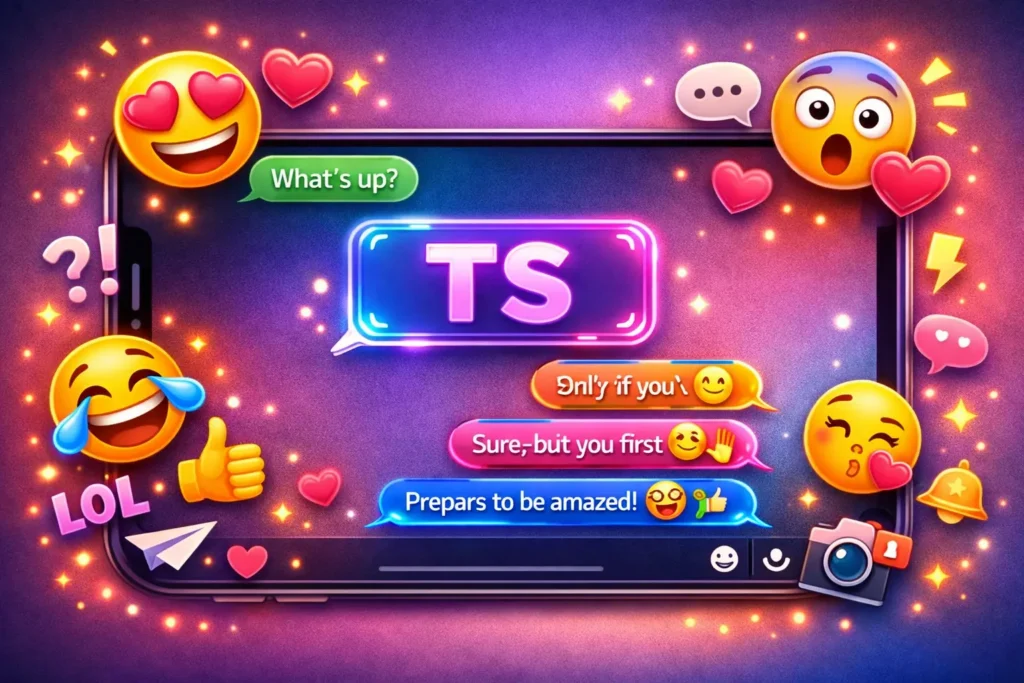
TS is a commonly used abbreviation that can stand for different phrases depending on context, most commonly “tough situation,” “too sad,” or sometimes used as shorthand in slang or online conversations to express emotion, emphasis, or dismissiveness.
If you’ve ever come across “it” in a text message, chat, or social media post and wondered what it actually means, you’re not alone. In today’s fast-paced digital world, abbreviations and slang evolve rapidly, and “it” is one of those short forms that can carry multiple meanings depending on context.
Understanding what it means can help you communicate better, avoid confusion, and stay up to date with modern texting language. You’re chatting with friends, scrolling through social media, or reading online conversations, this guide will break down everything you need to know about it in a clear, practical, and engaging way.
What Does TS Mean in Text?
The abbreviation it can have multiple meanings, but in everyday texting and online conversations, it is usually used in informal contexts to express emotions or reactions.
Here are the most common meanings:
- Tough Situation – Used when something difficult or unfortunate happens
- Too Sad – Used to express sympathy or disappointment
- Tough Sh*t – Used in a sarcastic or dismissive way (often informal or rude depending on tone)
- Other niche or contextual meanings depending on the conversation
👉 The key to understanding it is context. The same abbreviation can mean something completely different depending on tone and situation.
Origin of TS and Its Popularity
Like many internet slang terms, TS emerged from:
- Early texting culture (SMS limitations)
- Online chatrooms and forums
- Social media platforms like Twitter, TikTok, and Instagram
- Gaming chats and fast-paced messaging environments
Why TS Became Popular
- Shorter than full phrases
- Easy to type on mobile devices
- Helps convey emotions quickly
- Fits the fast-paced nature of online communication
Over time, it has become part of a broader trend where users rely on abbreviations to communicate quickly without losing meaning.
Common Uses of TS in Real Life
It is used in a variety of situations. Below are the most common contexts:
1. Expressing Sympathy or Sadness
Example:
- “You failed the test?it man, better luck next time.”
Here, TS = Too Sad or Tough Situation
2. Showing Empathy
- “TS, I know how hard that can be.”
3. Sarcastic or Dismissive Tone
- “You don’t like it? TS, I don’t care.”
👉 In this case, it can come across as rude or blunt depending on tone.
4. Casual Conversation
- “TS happened again at work today.”
Examples of TS in Different Contexts
| Context Type | Example Sentence | Meaning of TS | Tone |
|---|---|---|---|
| Friendly | “TS, we’ll fix it together 😊” | Tough situation | Supportive |
| Neutral | “TS happened yesterday at the meeting.” | General issue | Informative |
| Emotional | “TS… I feel really bad for you.” | Too sad | Sympathetic |
| Negative | “TS, not my problem.” | Dismissive phrase | Rude/harsh |
| Casual | “That’s TS lol.” | Depends on context | Lighthearted |
Different Meanings of TS
One important thing to understand is that it is not limited to a single meaning. It varies depending on the platform and context.
Common Interpretations of TS
- Tough Situation
- Too Sad
- Tough Sh*t
- Text Speak shorthand
- In some cases, it can even be initials for names, brands, or technical terms
In Special Contexts
- In gaming or online communities, it might refer to specific group terminology
- In professional contexts, it is rarely used because it is informal
Comparison: TS vs Other Similar Abbreviations
Understanding it becomes easier when compared to similar slang terms.
| Abbreviation | Full Form | Usage Context | Tone |
|---|---|---|---|
| TS | Tough Situation / Too Sad | Informal texting | Neutral to emotional |
| TBF | To Be Fair | Argument or discussion | Neutral |
| TBH | To Be Honest | Opinion sharing | Honest |
| IDK | I Don’t Know | Uncertainty | Neutral |
| SMH | Shaking My Head | Disapproval | Negative |
| NGL | Not Gonna Lie | Honest expression | Neutral |
👉 Compared to others, it is more context-dependent and less standardized.
Tone and Interpretation of TS
The meaning of it heavily depends on tone. The same abbreviation can sound very different depending on how it’s used.
1. Friendly Tone 😊
- “TS, don’t worry, we’ll handle it.”
👉 Supportive and reassuring
2. Neutral Tone
- “TS happened at work today.”
👉 Simply describing a situation
3. Negative or Dismissive Tone 😐
- “TS, deal with it.”
👉 Can sound harsh or uncaring
4. Sarcastic Tone 😏
- “Oh, it… as if that matters.”
👉 Slightly mocking or ironic
When Should You Use TS?
It is best used in informal settings. Here are some guidelines:
Good Situations to Use TS
- Talking with friends
- Casual texting
- Social media comments
- Informal group chats
Situations to Avoid TS
- Professional emails
- Work communication
- Academic writing
- Formal conversations
👉 In professional contexts, always choose a clearer and more respectful alternative.
Professional Alternatives to TS
If you want to sound more professional or polite, here are better alternatives:
- “That’s unfortunate”
- “That’s a difficult situation”
- “I understand that’s challenging”
- “I’m sorry to hear that”
- “That must be tough”
Example Transformation
- Informal: “TS, that sucks.”
- Professional: “That’s unfortunate. I hope things improve soon.”
Why Context Matters So Much
One of the biggest challenges with it is that it lacks a single fixed meaning.
👉 Without context, it can be confusing or misinterpreted.
For example:
- “TS, I’m sorry.” → empathetic
- “TS, not my problem.” → dismissive
This is why understanding tone, conversation flow, and relationship between speakers is essential.
TS in Social Media Culture
It is commonly seen across platforms like:
- Instagram comments
- Twitter replies
- TikTok captions
- Snapchat chats
It is often used to:
- React quickly
- Express emotions
- Add emphasis
- Keep messages short and engaging
Social media encourages short-form communication, which is why abbreviations like it continue to thrive.
Variations and Related Slang
It is part of a broader family of internet slang. Here are related terms:
- Tough luck – Similar meaning but more direct
- Sad face emojis 😔 – Expresses emotional response visually
- FML (expletive) – Stronger expression of frustration
- LOL – Used to lighten tone
- OMG – Expresses surprise
👉 It is unique because it can shift meaning based on context, unlike fixed expressions.
Table: Summary of TS Meanings
| Meaning | Description | Example Usage |
|---|---|---|
| Tough Situation | A difficult or unfortunate event | “TS, we’ll get through it.” |
| Too Sad | Expressing sympathy | “TS, that’s really sad.” |
| Tough Sh*t | Dismissive or rude expression | “TS, deal with it.” |
| Context-based | Meaning changes based on usage | “TS happened today.” |
FAQs
What does TS mean in texting?
It in texting usually means “tough situation” or “too sad,” depending on the context of the conversation and the emotional tone being used.
Is TS a rude term?
It can be rude if used as “tough sh*t,” especially in a dismissive tone, but in other contexts, it can simply express sympathy or understanding.
What does TS mean on Snapchat or Instagram?
On social media platforms like Snapchat and Instagram, it typically refers to a tough situation or emotional reaction to something unfortunate.
Can TS mean something positive?
Yes, it can be used in a supportive or empathetic way, such as acknowledging a difficult situation with understanding.
What is the difference between TS and SMH?
It expresses a situation or emotion, while SMH (shaking my head) is usually used to show disappointment or disbelief.
Is TS used in formal writing?
No, it is informal slang and should not be used in professional or formal writing contexts.
What does TS mean in gaming chats?
In gaming, it may still mean “tough situation,” especially when reacting to a difficult or failed moment.
How do I respond to TS in a message?
You can respond with empathy, such as “Yeah, that’s tough,” or “I’m here if you need anything,” depending on the situation.
Conclusion
Understanding what it means is essential for navigating modern digital communication. While it most commonly stands for “tough situation” or “too sad,” its meaning can shift depending on context, tone, and the nature of the conversation. This flexibility makes it both useful and sometimes confusing.
To use it effectively, always consider your audience and the situation. In casual chats, it can be a quick and relatable way to express emotions. However, in professional settings, it’s better to choose clearer and more respectful language.
By mastering terms like it and other slang, you’ll not only improve your texting skills but also enhance your ability to connect with others in a modern, fast-paced digital world.
Discover More Related Articles:
- 465 Respond to “What Are You Thinking About”: That Spark Attraction In 2026
- 500 Best Ways to Respond to “Are You Single”: That Set Boundaries In 2026
- 289 Best Reply To “Oh I See”: Without Killing the Conversation In 2026