Quick Answer 🔥
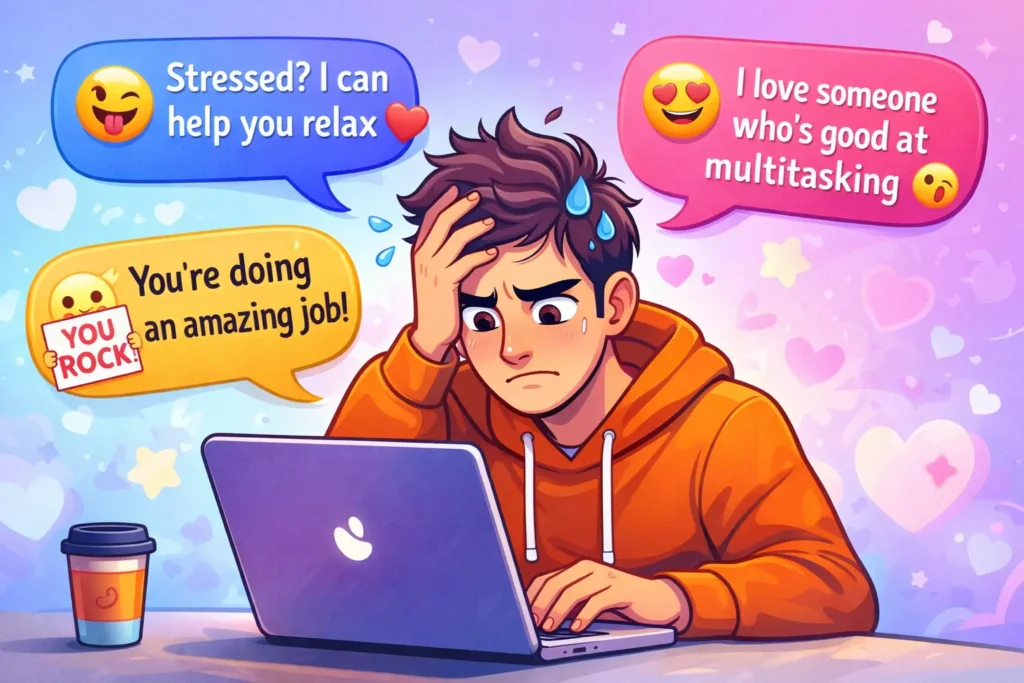
When someone says “work is hectic,” they’re usually overwhelmed, stressed, or just low on energy. The best reply depends on your vibe, supportive, funny or a little flirty.
Top replies: “Hang in there, you got this,” “Take it one task at a time,” “Sounds like you need a break ASAP,” “I’ll distract you when you’re free,” “Don’t forget to breathe.”
We’ve all been there. You text someone and get hit with “work is hectic.” It’s your friend, coworker, or someone you’re crushing on, that one line says a lot. Stress, pressure, deadlines, and maybe even a hint of “I’m too tired to talk right now.”
But here’s the thing. How you reply can completely change the vibe. You can comfort them, make them laugh, or even deepen your connection. A thoughtful reply shows you care. A funny one lifts their mood. And a clever one keeps the conversation alive without adding pressure.
So instead of sending a boring “ok” or “that sucks,” here are text-ready replies to “work is hectic” that actually feel human, engaging, and worth sending.
Funny Responses
- “Sounds like your job is auditioning for a horror movie.”
Example: Used when a friend keeps complaining about nonstop workload.
Meaning: You’re making light of their stress in a playful way. - “Blink twice if you need rescue snacks.”
Example: Sent when they’re overwhelmed at the office.
Meaning: You’re offering support with humor. - “Work said chaos, you said challenge accepted.”
Example: When they’re juggling too many tasks.
Meaning: You’re hyping them up jokingly. - “Your boss owes you emotional damages at this point.”
Example: After they rant about deadlines.
Meaning: You’re validating their stress humorously. - “Time to file a complaint with your pillow for neglect.”
Example: When they’re overworked and tired.
Meaning: You’re teasing about their lack of rest. - “Are you working or starring in a survival show?”
Example: When they describe a hectic day.
Meaning: You’re exaggerating the situation for laughs. - “Reminder: you’re human, not a robot update pending.”
Example: When they seem burnt out.
Meaning: You’re gently telling them to slow down. - “At this rate, coffee deserves a promotion.”
Example: When they rely heavily on caffeine.
Meaning: You’re joking about their coping mechanism. - “Should I send backup or memes?”
Example: When they’re clearly stressed.
Meaning: You’re offering emotional support playfully. - “Work really woke up and chose violence today.”
Example: When their day sounds chaotic.
Meaning: You’re relating in a trendy, funny way. - “Plot twist: you quit and become a beach person.”
Example: When they’re frustrated.
Meaning: You’re joking about escaping work. - “Your stress called, it needs a day off.”
Example: When they’re overwhelmed.
Meaning: You’re encouraging rest in a funny tone. - “This is why naps should be mandatory.”
Example: When they’re exhausted.
Meaning: You’re adding humor while sympathizing. - “Don’t worry, chaos builds character.”
Example: When they complain about workload.
Meaning: You’re jokingly turning stress into growth. - “If stress burned calories, you’d be unstoppable.”
Example: When they’re super busy.
Meaning: You’re making a light joke to cheer them up.
Polite Responses
- “I hope things settle down soon for you.”
Example: When replying to a coworker.
Meaning: You’re being considerate and respectful. - “Take care of yourself in the middle of all that.”
Example: When they seem overwhelmed.
Meaning: You’re showing concern. - “That sounds tough, hope you get some rest later.”
Example: When they mention long hours.
Meaning: You’re expressing empathy. - “Wishing you a smoother day ahead.”
Example: During a stressful workday.
Meaning: You’re offering positivity. - “Let me know if I can help in any way.”
Example: When it’s work-related.
Meaning: You’re offering support. - “Hope everything gets manageable soon.”
Example: When they’re struggling.
Meaning: You’re acknowledging their stress. - “Take it easy and pace yourself.”
Example: When they’re overloaded.
Meaning: You’re encouraging balance. - “Sounds busy, don’t forget to take breaks.”
Example: When they’re nonstop working.
Meaning: You’re reminding them to rest. - “Hang in there, you’re doing great.”
Example: When they’re under pressure.
Meaning: You’re motivating them. - “I appreciate you still replying despite that.”
Example: When they text back while busy.
Meaning: You’re showing gratitude. - “Hope you get some downtime soon.”
Example: After they vent.
Meaning: You’re wishing them relief. - “Take care, busy days can be draining.”
Example: When they sound exhausted.
Meaning: You’re being thoughtful. - “You’ve got this, just one step at a time.”
Example: When they’re overwhelmed.
Meaning: You’re offering encouragement. - “Sending positive vibes your way.”
Example: When they’re stressed.
Meaning: You’re being supportive. - “Hope things ease up for you soon.”
Example: General polite reply.
Meaning: You’re acknowledging their situation.
Flirty Responses
- “Work is hectic but I can still steal a minute of your time.”
Example: When texting your crush.
Meaning: You’re playful and interested. - “Guess I’ll have to distract you later.”
Example: When they’re busy.
Meaning: You’re teasing future interaction. - “Should I schedule myself into your busy day?”
Example: When flirting lightly.
Meaning: You’re hinting at wanting attention. - “Don’t stress too much, I need you in a good mood for me.”
Example: With someone close.
Meaning: You’re being charming. - “Even busy, you still crossed my mind.”
Example: When keeping connection alive.
Meaning: You’re showing interest. - “I’ll be your break when you’re free.”
Example: When they’re overwhelmed.
Meaning: You’re offering comfort and flirt. - “Work is hectic but you’re still my favorite notification.”
Example: Sweet flirting moment.
Meaning: You’re making them feel special. - “Save some energy for me later.”
Example: Light teasing.
Meaning: You’re hinting at future chat. - “Busy is fine, ignoring me isn’t.”
Example: Playful tone.
Meaning: You’re jokingly demanding attention. - “I’ll reward you after your hectic day.”
Example: Flirty context.
Meaning: You’re teasing affection. - “Try not to miss me too much while working.”
Example: Light flirting.
Meaning: You’re playful and confident. - “You handle work, I’ll handle making you smile.”
Example: Supportive flirt.
Meaning: You’re offering emotional lift. - “Don’t worry, I’ll wait… but not too long.”
Example: Fun teasing.
Meaning: You’re keeping it playful. - “Hectic day, lucky you’ve got me.”
Example: Confident flirt.
Meaning: You’re positioning yourself as comfort. - “Text me when you escape the chaos.”
Example: Flirty check-in.
Meaning: You’re staying connected.
Professional Responses
- “Understood, let’s reconnect when things ease up.”
Example: Work-related message.
Meaning: You’re respecting their time. - “Thanks for the update, take your time.”
Example: During collaboration.
Meaning: You’re being considerate. - “Let me know when you’re available.”
Example: Scheduling conversation.
Meaning: You’re flexible. - “I appreciate the heads-up.”
Example: Professional setting.
Meaning: You’re acknowledging. - “We can revisit this later.”
Example: When delaying tasks.
Meaning: You’re adaptable. - “Take care of urgent priorities first.”
Example: When they’re overloaded.
Meaning: You’re understanding. - “Happy to follow up when you’re free.”
Example: Work email tone.
Meaning: You’re patient. - “Let’s touch base tomorrow.”
Example: Busy schedule.
Meaning: You’re rescheduling. - “No rush, focus on your workload.”
Example: During stress.
Meaning: You’re respectful. - “Hope your day becomes more manageable.”
Example: Work chat.
Meaning: You’re polite. - “Feel free to update me when convenient.”
Example: Task follow-up.
Meaning: You’re flexible. - “I’ll check in later.”
Example: Busy colleague.
Meaning: You’re giving space. - “Thanks for letting me know.”
Example: General response.
Meaning: You’re acknowledging. - “We can adjust timelines if needed.”
Example: Project work.
Meaning: You’re supportive. - “Take your time, quality matters.”
Example: Task pressure.
Meaning: You’re prioritizing quality.
Chill And Casual Responses
- “No worries, handle your stuff.”
Example: Casual friend chat.
Meaning: You’re relaxed. - “All good, hit me when you’re free.”
Example: Low-pressure reply.
Meaning: You’re easygoing. - “Sounds busy, good luck.”
Example: Quick reply.
Meaning: You’re supportive but brief. - “Take your time.”
Example: When they’re occupied.
Meaning: You’re patient. - “I get it, work be like that.”
Example: Relatable tone.
Meaning: You’re understanding. - “No stress, I’ll be here.”
Example: Ongoing convo.
Meaning: You’re reassuring. - “Do your thing.”
Example: Casual support.
Meaning: You’re chill. - “Catch you later.”
Example: Ending chat.
Meaning: You’re relaxed. - “Stay strong out there.”
Example: Friendly tone.
Meaning: You’re supportive. - “Sounds intense.”
Example: Quick reaction.
Meaning: You’re acknowledging. - “Alright, survive first.”
Example: Casual humor.
Meaning: You’re lighthearted. - “I’ll wait.”
Example: When they’re busy.
Meaning: You’re patient. - “Good luck with it.”
Example: Encouragement.
Meaning: You’re supportive. - “Hope it chills out soon.”
Example: Casual empathy.
Meaning: You’re caring. - “Text me later.”
Example: Easy ending.
Meaning: You’re open to continue.
Emotional Responses
- “That sounds really exhausting.”
Example: When they’re drained.
Meaning: You’re validating feelings. - “I’m here if you need to vent.”
Example: Close friend.
Meaning: You’re offering support. - “Don’t let it overwhelm you.”
Example: Stressful moment.
Meaning: You’re comforting. - “You’ve been working so hard.”
Example: Acknowledging effort.
Meaning: You’re appreciating. - “Take a breath, you’ll get through it.”
Example: Anxiety moment.
Meaning: You’re calming them. - “I wish I could help lighten your load.”
Example: Caring tone.
Meaning: You’re empathetic. - “You deserve a break.”
Example: When they’re tired.
Meaning: You’re supportive. - “I’m proud of you for pushing through.”
Example: Encouragement.
Meaning: You’re uplifting. - “It’s okay to feel overwhelmed.”
Example: Emotional support.
Meaning: You’re validating. - “You’re doing better than you think.”
Example: Self-doubt.
Meaning: You’re reassuring. - “Just don’t forget yourself in all this.”
Example: Work stress.
Meaning: You’re reminding balance. - “You matter more than your workload.”
Example: Emotional moment.
Meaning: You’re prioritizing them. - “I know it’s tough right now.”
Example: Hard day.
Meaning: You’re understanding. - “Take it one step at a time.”
Example: Overwhelmed.
Meaning: You’re guiding gently. - “You’ve got support, even from here.”
Example: Distance situation.
Meaning: You’re reassuring.
Confident Responses
- “You’ll handle it like you always do.”
Example: Encouraging tone.
Meaning: You trust their ability. - “Busy is just another challenge for you.”
Example: Motivational.
Meaning: You’re hyping them up. - “I know you’ve got this under control.”
Example: Supportive.
Meaning: You’re confident in them. - “Pressure makes diamonds, right?”
Example: Motivational.
Meaning: You’re reframing stress. - “You were built for this.”
Example: Encouragement.
Meaning: You’re empowering. - “You thrive in chaos.”
Example: Confidence boost.
Meaning: You’re uplifting. - “Nothing you can’t handle.”
Example: Support.
Meaning: You’re reassuring. - “You’re stronger than your workload.”
Example: Stress moment.
Meaning: You’re empowering. - “I’m not worried about you.”
Example: Trust.
Meaning: You’re confident in them. - “You always figure it out.”
Example: Encouragement.
Meaning: You’re praising resilience. - “Keep going, you’re doing great.”
Example: Motivation.
Meaning: You’re supportive. - “You’re built different.”
Example: Gen Z tone.
Meaning: You’re hyping them. - “This is just another win loading.”
Example: Positive mindset.
Meaning: You’re motivating. - “You’ve got the mindset for this.”
Example: Confidence boost.
Meaning: You’re empowering. - “Success is on the way.”
Example: Encouragement.
Meaning: You’re optimistic.
Sarcastic Responses
- “Wow, never heard that one before.”
Example: When someone says it every single day.
Meaning: You’re teasing them for being predictable. - “Shocking, work being hectic, who would’ve thought.”
Example: When they act surprised by workload.
Meaning: You’re being playfully sarcastic. - “Sounds like you’re actually working at work.”
Example: When they complain casually.
Meaning: You’re joking about expectations. - “Guess adulthood is really hitting hard.”
Example: When they’re overwhelmed.
Meaning: You’re poking fun at reality. - “Breaking news: job requires effort.”
Example: When they exaggerate stress.
Meaning: You’re sarcastically grounding them. - “At least your job remembers you exist.”
Example: Light teasing moment.
Meaning: You’re joking about workload attention. - “Living the dream, huh?”
Example: When they vent.
Meaning: You’re ironically commenting. - “Love that for you.”
Example: Trendy sarcastic reply.
Meaning: You’re being humorously unsympathetic. - “Sounds like you signed up for this chaos.”
Example: When they complain often.
Meaning: You’re teasing responsibility. - “Work really said no peace today.”
Example: When they’re overwhelmed.
Meaning: You’re sarcastically agreeing. - “Guess your free time resigned.”
Example: When they’re overworked.
Meaning: You’re joking about lack of rest. - “So basically, just another day.”
Example: When nothing unusual happened.
Meaning: You’re downplaying the drama. - “And here I thought jobs were relaxing.”
Example: When they vent.
Meaning: You’re sarcastically reacting. - “Work is hectic, water is wet.”
Example: Obvious statement moment.
Meaning: You’re highlighting the obvious. - “Congrats, you unlocked stress level 100.”
Example: When workload peaks.
Meaning: You’re exaggerating for humor.
Creative Responses
- “Your day sounds like a fast-forward button got stuck.”
Example: When they’re juggling tasks nonstop.
Meaning: You’re describing chaos creatively. - “Seems like your schedule is playing Tetris.”
Example: When tasks keep stacking up.
Meaning: You’re visualizing their workload. - “Your calendar must be screaming right now.”
Example: When they’re fully booked.
Meaning: You’re personifying their schedule. - “That’s a whole storm in a coffee cup.”
Example: When they’re stressed.
Meaning: You’re creatively framing chaos. - “You’re basically surfing deadlines right now.”
Example: When they’re rushing tasks.
Meaning: You’re turning stress into imagery. - “Sounds like a marathon with no finish line.”
Example: Endless work situation.
Meaning: You’re expressing exhaustion creatively. - “Your brain deserves a vacation postcard.”
Example: When they’re mentally drained.
Meaning: You’re suggesting rest playfully. - “That workload has main character energy.”
Example: When work dominates life.
Meaning: You’re dramatizing their situation. - “You’re in boss battle mode today.”
Example: Tough day.
Meaning: You’re comparing to gaming challenge. - “Deadlines are chasing you like a movie scene.”
Example: When they’re rushing.
Meaning: You’re visualizing pressure. - “Your to-do list is multiplying like magic.”
Example: Tasks keep increasing.
Meaning: You’re highlighting overload. - “Sounds like a plot twist every hour.”
Example: Unpredictable workday.
Meaning: You’re adding drama creatively. - “Your day is running on turbo mode.”
Example: Fast-paced work.
Meaning: You’re emphasizing speed. - “That’s chaos dressed as productivity.”
Example: Busy but messy day.
Meaning: You’re cleverly reframing it. - “Work really turned into a rollercoaster.”
Example: Ups and downs all day.
Meaning: You’re describing unpredictability.
Cute Responses
- “Aww, don’t overwork yourself.”
Example: When they sound tired.
Meaning: You’re caring and gentle. - “Make sure you eat and rest too.”
Example: When they’re busy.
Meaning: You’re nurturing. - “Sending you a virtual hug.”
Example: When they’re stressed.
Meaning: You’re comforting. - “You’re doing your best, that’s enough.”
Example: When they’re overwhelmed.
Meaning: You’re reassuring. - “Don’t forget to smile a little.”
Example: Stressful day.
Meaning: You’re uplifting. - “I wish I could bring you snacks.”
Example: When they’re busy.
Meaning: You’re sweet and thoughtful. - “Take tiny breaks, okay?”
Example: When they’re nonstop working.
Meaning: You’re gently reminding. - “You’re stronger than today.”
Example: Tough moment.
Meaning: You’re encouraging. - “Hope your day gets softer soon.”
Example: When they’re stressed.
Meaning: You’re wishing ease. - “You deserve something nice after this.”
Example: Hard work.
Meaning: You’re rewarding emotionally. - “Don’t push yourself too hard.”
Example: When they’re exhausted.
Meaning: You’re protective. - “Little steps, you’ll get through.”
Example: Overwhelmed.
Meaning: You’re comforting. - “I’m cheering for you quietly.”
Example: Supportive moment.
Meaning: You’re gentle. - “You’ve got a soft place to land later.”
Example: Emotional support.
Meaning: You’re reassuring. - “Take care of your heart too.”
Example: When stress feels heavy.
Meaning: You’re deeply caring.
Dramatic Responses
- “This is the plot twist no one asked for.”
Example: Unexpected workload.
Meaning: You’re exaggerating drama. - “Your job really said suffer today.”
Example: Hard day.
Meaning: You’re dramatizing stress. - “This feels like a tragedy unfolding.”
Example: When they vent.
Meaning: You’re adding flair. - “Not the chaos arc again.”
Example: Repeated stress.
Meaning: You’re dramatizing pattern. - “This storyline needs a happy ending.”
Example: Tough situation.
Meaning: You’re hopeful dramatically. - “Your peace really got canceled.”
Example: Busy day.
Meaning: You’re exaggerating loss. - “I can hear the dramatic music already.”
Example: Stressful moment.
Meaning: You’re turning it cinematic. - “This deserves a whole documentary.”
Example: Intense workload.
Meaning: You’re amplifying situation. - “Your day sounds illegal at this point.”
Example: Too much work.
Meaning: You’re humorously dramatic. - “Emotional damage level unlocked.”
Example: When they’re stressed.
Meaning: You’re exaggerating impact. - “This is chaos in its final form.”
Example: Peak stress.
Meaning: You’re dramatizing peak. - “Work really betrayed you today.”
Example: Bad experience.
Meaning: You’re adding emotion. - “This is not what you signed up for.”
Example: Overwhelmed.
Meaning: You’re highlighting unfairness. - “The struggle arc continues.”
Example: Ongoing stress.
Meaning: You’re narrating dramatically. - “Someone pause this episode.”
Example: When it’s too much.
Meaning: You’re jokingly asking relief.
Sweet Responses
- “I hope your day gets lighter soon.”
Example: When they’re stressed.
Meaning: You’re kind and caring. - “Thinking of you, hang in there.”
Example: Supportive moment.
Meaning: You’re emotionally present. - “You’re doing amazing, even if it feels messy.”
Example: When they doubt themselves.
Meaning: You’re uplifting. - “I believe in you.”
Example: Encouragement.
Meaning: You’re supportive. - “You deserve peace after this.”
Example: Hard day.
Meaning: You’re wishing comfort. - “Hope you get time to relax later.”
Example: Busy schedule.
Meaning: You’re caring. - “You’ve got a good heart, don’t stress too much.”
Example: Emotional moment.
Meaning: You’re reassuring. - “I’m rooting for you.”
Example: Motivation.
Meaning: You’re supportive. - “Take it easy when you can.”
Example: Stressful day.
Meaning: You’re gentle. - “Everything will fall into place.”
Example: Overwhelmed.
Meaning: You’re optimistic. - “You’re not alone in this.”
Example: Emotional support.
Meaning: You’re reassuring. - “You matter more than the stress.”
Example: Heavy workload.
Meaning: You’re prioritizing them. - “Sending calm your way.”
Example: When they’re anxious.
Meaning: You’re comforting. - “Be kind to yourself today.”
Example: When they’re tired.
Meaning: You’re encouraging self-care. - “You’ve got a soft landing waiting.”
Example: After work stress.
Meaning: You’re reassuring comfort.
FAQs
What does “work is hectic” mean?
It means someone is very busy, stressed, or overwhelmed with tasks and responsibilities.
Can it be emotional or flirty?
Yes, sometimes it’s a subtle way of saying they’re mentally drained but still want understanding or attention.
Is it okay to reply professionally?
Absolutely. In work settings, keeping it polite and respectful is the best approach.
What if I don’t actually care much?
You can keep it short and neutral like “Got it, talk later” without sounding rude.
Can humor work in this situation?
Yes, but only if you know the person well. Humor can lighten the mood but should never feel dismissive.
Conclusion
Next time someone says “work is hectic,” you’ve got way more than just a boring reply. You want to be funny, flirty, supportive, or just chill, your response can actually shape the whole conversation.
The right words can make someone smile, feel understood, or even look forward to texting you again. So don’t settle for dry replies. Pick a vibe, match their energy, and keep things real.
Save this list, try a few responses, and see what clicks. You’ll be surprised how much better your conversations feel when your replies actually hit.
Discover More Related Articles:
- 350 Best Respond When Someone Says “I’m Tired”: Feel So Real In 2026
- 389 Respond When Someone Says “I’m Hungry”: That Make Them Laugh In 2026