
Definition
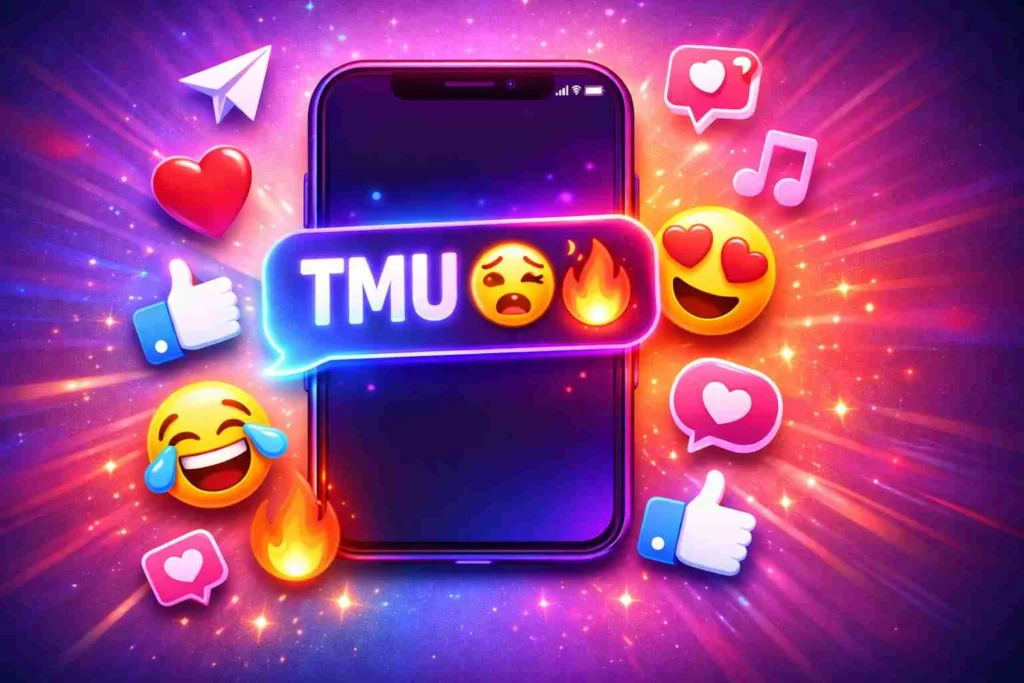
TMU stands for “Too Much” in informal texting and online communication. It is commonly used to describe something excessive, overwhelming, or more than expected, in a positive, negative, or neutral context.
In today’s fast-moving digital world, abbreviations and slang terms evolve quickly, often leaving people confused. One such term that frequently appears in chats, social media captions, and texting is “TMU meaning.” If you’ve ever come across TMU in a message and wondered what it stands for, you’re not alone.
This guide will break down everything you need to know about TMU, including its definition, origins, usage, examples, and comparisons with similar expressions. By the end, you’ll confidently understand how and when to use TMU in conversations.
What Does TMU Mean?
TMU is an abbreviation that people use to quickly express that something is “too much.” It can refer to:
- Excess emotions
- Overwhelming situations
- Too much information
- Excessive behavior or reactions
- Something that feels exaggerated or intense
Key Idea
TMU = Too much, too overwhelming, or exceeding a limit
Origin of TMU
Unlike formal abbreviations, TMU emerged organically from internet slang and texting culture.
How TMU Became Popular
- Early usage began in chatrooms and SMS texting
- Spread through social media platforms like Twitter, Instagram, and TikTok
- Became popular among Gen Z and digital-native users
TMU is part of a larger trend where users shorten phrases to save time and express emotions more quickly.
Why TMU Is So Popular
TMU is widely used because it is:
- Short and efficient
- Emotionally expressive
- Easy to type
- Flexible in tone
- Widely understood in online spaces
People prefer TMU because it conveys a strong message in just three letters.
Real-World Usage of TMU
TMU is commonly used in different contexts depending on tone and intention.
1. Expressing Overwhelm
- “That workload is TMU for one day.”
- “This assignment is TMU 😩”
2. Complaining or Reacting
- “The drama today was TMU.”
- “Too many notifications, TMU!”
3. Positive Exaggeration
- “This cake is TMU delicious!”
- “Your outfit is TMU cute!”
4. Emotional Expression
- “The movie was TMU emotional.”
- “That ending was TMU heartbreaking.”
Examples of TMU in Context
TMU Usage Examples Table
| Context Type | Example Sentence | Tone |
|---|---|---|
| Overwhelmed | “My schedule today is TMU.” | Neutral |
| Frustrated | “This traffic is TMU 😤” | Negative |
| Positive | “That dress is TMU stunning!” | Positive |
| Emotional | “The story was TMU sad.” | Emotional |
| Casual Chat | “That game was TMU crazy lol.” | Friendly |
Tone Variations of TMU
One of the reasons TMU is popular is because it adapts to different tones:
Friendly Tone
- “That party was TMU fun!”
- Lighthearted and playful
Neutral Tone
- “The instructions are TMU long.”
- Simple observation without emotion
Negative Tone
- “This is TMU stressful.”
- Expressing frustration or complaint
Exaggerated Tone
- “This is TMU amazing!!!”
- Amplifies emotions dramatically
Comparison: TMU vs Similar Terms
Many people confuse TMU with other abbreviations or expressions. Let’s compare them.
TMU vs TMI (Too Much Information)
| Term | Meaning | Usage |
|---|---|---|
| TMU | Too much (general) | Used for anything overwhelming |
| TMI | Too much information | Used when someone shares excessive personal details |
Example:
- “That story was TMU funny.”
- “TMI, I didn’t need to know that!”
TMU vs OMG (Oh My God)
| Term | Meaning | Usage |
|---|---|---|
| TMU | Too much | Describes excess or intensity |
| OMG | Expression of surprise | Used to show shock or excitement |
Example:
- “That movie is TMU emotional.”
- “OMG, that twist was insane!”
TMU vs SMH (Shaking My Head)
| Term | Meaning | Usage |
|---|---|---|
| TMU | Too much | Indicates excess |
| SMH | Disapproval or disappointment | Used when something is ridiculous |
Example:
- “That drama was TMU.”
- “SMH, that was unnecessary.”
Alternate Meanings of TMU
Although “Too Much” is the most common meaning, TMU can sometimes have other interpretations depending on context:
- Technical or Academic Contexts: TMU may refer to specific institutions or technical terms
- Local Slang Variations: In some communities, TMU might be used differently
- Acronyms for Organizations: Some organizations use TMU as their abbreviation
However, in most texting and online usage, TMU almost always means Too Much.
When to Use TMU
TMU is best used in informal settings such as:
- Text messages
- Social media posts
- Casual conversations
- Comments and replies
When NOT to Use TMU
Avoid using TMU in:
- Professional emails
- Formal writing
- Academic essays
- Business communication
Instead, use full phrases like:
- “This is excessive”
- “This is overwhelming”
- “This is too much”
Polite and Professional Alternatives to TMU
If you want to keep your communication formal, here are some alternatives:
| Informal TMU Usage | Formal Alternative |
|---|---|
| “This is TMU.” | “This is overwhelming.” |
| “That’s TMU.” | “That appears to be excessive.” |
| “It’s TMU stressful.” | “It is quite stressful.” |
| “This is TMU funny.” | “This is very entertaining.” |
TMU in Social Media Culture
TMU is widely used on platforms like:
- Instagram captions
- TikTok comments
- Twitter replies
- Snapchat chats
Example Social Media Usage
- Caption: “This trip was TMU amazing 🌍✨”
- Comment: “That outfit is TMU fire 🔥”
- Tweet: “This week has been TMU exhausting 😩”
TMU helps users express strong emotions in a short, relatable way.
Common Misinterpretations of TMU
Sometimes people misunderstand TMU as:
- “Thank You Message”
- “Tell Me Urself”
- “Too Much Use”
However, these interpretations are incorrect in most contexts.
Why Understanding TMU Matters
Understanding slang like TMU is important because:
- It helps you keep up with modern conversations
- It prevents misunderstandings
- It improves communication in digital spaces
- It makes you more relatable online
FAQs
What does TMU mean in texting?
TMU means “Too Much” in texting. It is used to describe something that feels overwhelming, excessive, or exaggerated in a conversation or situation.
Is TMU a positive or negative term?
TMU can be both positive and negative depending on context. It can describe something amazing or something overwhelming or frustrating, depending on how it is used.
Can TMU be used in professional communication?
TMU is not recommended for professional communication because it is informal slang. Instead, use full phrases like “excessive” or “overwhelming” in formal writing.
What is the difference between TMU and TMI?
TMU means “Too Much,” while TMI means “Too Much Information.” TMU is broader and used for anything excessive, while TMI is specifically about overly personal or unnecessary details.
Is TMU commonly used on social media?
Yes, TMU is very popular on social media platforms like Instagram, TikTok, and Twitter. It is often used in captions, comments, and replies to express strong feelings.
What are some examples of TMU in sentences?
Examples include “This is TMU funny,” “That assignment is TMU hard,” and “The party was TMU fun.” These examples show how TMU can be used in different contexts.
What tone does TMU usually express?
TMU can express multiple tones such as excitement, frustration, overwhelm, or admiration. The tone depends on the context of the sentence and the emotions behind it.
Is TMU used worldwide?
TMU is mainly used in English-speaking digital spaces, but it is understood globally by people familiar with internet slang and social media communication.
Conclusion
TMU meaning is simple yet powerful in digital communication. Standing for “Too Much,” it helps express emotions, reactions, and situations in a short and impactful way. You are overwhelmed, impressed, or just reacting to something intense, TMU fits perfectly into casual conversations.
Understanding how to use TMU correctly can enhance your texting style and make your online interactions more expressive and relatable. However, remember to use it only in informal contexts and switch to professional language when needed.
In today’s fast-paced communication world, learning terms like TMU not only keeps you updated but also helps you connect better with others. So the next time something feels “too much,” you’ll know exactly how to say it.
Discover More Related Articles:
- 456 How to Respond to a “Copycat”: Without Losing Your Confidence In 2026
- 456 Replies to “Can I Know You Better?”: In a Natural Way In 2026
- 500 Best Ways to Respond to “Are You Single”: That Set Boundaries In 2026