🔥 Quick Answer
If someone calls you “monkey,” your response depends on tone, relationship and vibe. You can flip it into humor, confidence or sass to stay in control of the conversation.
Top replies:
“Only when I’m climbing above your level,” “Better than being boring,” “At least I’m fun,” “Careful, I might outsmart you,” “Cute nickname, I’ll allow it.”
Ever been called “monkey” in a text, DM, or real-life convo and just paused like… wait, what do I even say to that? it’s a playful tease from a friend, a flirty jab from your crush, or a straight-up annoying comment, your reply can totally change the vibe.
Knowing how to respond to “monkey” isn’t just about words, it’s about confidence, humor, and social awareness. The right reply can turn an awkward moment into a funny one, or flip the power dynamic instantly. From savage comebacks to cute and playful responses, you’ve got options for every mood and situation.
Let’s get you loaded with replies that are smart, relatable, and totally text-message ready.
Funny Responses
- “Yeah, I swing higher than you.”
Example: Used when joking back with a friend who’s teasing you.
Meaning: You’re turning the insult into a playful flex. - “At least I’m entertaining.”
Example: When someone says it casually and you keep it light.
Meaning: You embrace the joke and make it fun. - “Bananas are expensive, you know.”
Example: When you want to be random and funny.
Meaning: You’re adding humor instead of reacting seriously. - “Zookeeper called, they miss me.”
Example: When joking with close friends.
Meaning: You’re exaggerating the joke for laughs. - “I’m the main character monkey though.”
Example: When replying confidently in a group chat.
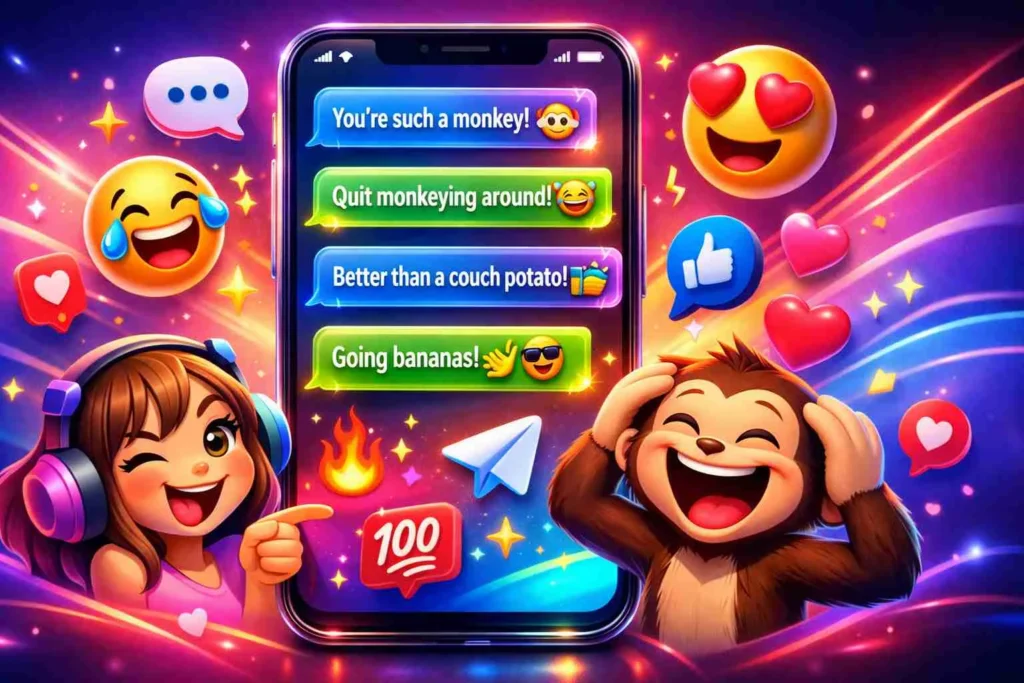
Meaning: You’re owning the attention. - “Better than being a couch potato.”
Example: When playfully clapping back.
Meaning: You’re flipping it into a comparison. - “I’ve got better moves than you.”
Example: When joking about dancing or energy.
Meaning: You’re making it about fun and energy. - “Certified jungle VIP.”
Example: When being silly online.
Meaning: You’re elevating the joke into something cool. - “Watch me steal your snacks next.”
Example: When teasing back casually.
Meaning: You’re continuing the playful energy. - “Monkey with style, thank you.”
Example: When someone says it jokingly.
Meaning: You’re adding confidence to humor. - “At least I’m not boring.”
Example: When lightly defending yourself.
Meaning: You’re embracing fun over dullness. - “I prefer jungle legend.”
Example: When joking in DMs.
Meaning: You’re upgrading the label humorously. - “You sound jealous honestly.”
Example: When joking but confident.
Meaning: You’re flipping the dynamic. - “I’ll take that as a compliment.”
Example: When you don’t want drama.
Meaning: You neutralize the comment with positivity. - “Cool, now where’s my banana?”
Example: When being playful and random.
Meaning: You keep it light and unserious.
Savage Responses
- “Still smarter than you.”
Example: When someone is being rude.
Meaning: You hit back with confidence. - “At least I evolved.”
Example: When someone tries to insult you.
Meaning: You flip it into an intellectual jab. - “And you’re still basic.”
Example: When clapping back sharply.
Meaning: You’re returning the energy. - “Say something original next time.”
Example: When annoyed with repetitive teasing.
Meaning: You call out their lack of creativity. - “That all you got?”
Example: When you’re unfazed.
Meaning: You show confidence and dominance. - “You tried.”
Example: When dismissing their comment.
Meaning: You downplay their effort. - “Weak insult honestly.”
Example: When unimpressed.
Meaning: You undermine their attempt. - “At least I’m interesting.”
Example: When defending yourself boldly.
Meaning: You position yourself above them. - “Focus on yourself first.”
Example: When setting boundaries.
Meaning: You redirect attention back to them. - “Not the insult you thought it was.”
Example: When calmly replying.
Meaning: You show it didn’t affect you. - “Try harder next time.”
Example: When being sarcastically harsh.
Meaning: You challenge their effort. - “And yet here I am winning.”
Example: When confident.
Meaning: You assert superiority. - “You’re obsessed with me.”
Example: When someone keeps teasing.
Meaning: You flip it into attention. - “Stay pressed.”
Example: When ending the conversation.
Meaning: You dismiss them entirely. - “That says more about you.”
Example: When reflecting the insult.
Meaning: You turn it back on them.
Flirty Responses
- “Your monkey though.”
Example: When your crush teases you.
Meaning: You turn it into affection. - “Only for you.”
Example: When flirting playfully.
Meaning: You make it exclusive. - “Careful, I might climb into your heart.”
Example: When being cute and flirty.
Meaning: You mix humor with romance. - “You like me like that?”
Example: When teasing back.
Meaning: You shift the vibe to attraction. - “Guess I’m your favorite then.”
Example: When smiling through texts.
Meaning: You assume closeness. - “Say it again, I kinda like it.”
Example: When playful.
Meaning: You show comfort with teasing. - “I’ll only accept that from you.”
Example: When building connection.
Meaning: You make it personal. - “So you’re thinking about me?”
Example: When turning it flirty.
Meaning: You redirect focus. - “I can be cute too, you know.”
Example: When soft flirting.
Meaning: You shift tone gently. - “That’s your nickname for me?”
Example: When intrigued.
Meaning: You make it intimate. - “I’ll allow it… this time.”
Example: When teasing confidently.
Meaning: You stay playful. - “Only if you’re my partner in crime.”
Example: When bonding.
Meaning: You create a duo vibe. - “You better be my jungle partner then.”
Example: When joking romantically.
Meaning: You include them. - “I think you like me.”
Example: When teasing your crush.
Meaning: You push the vibe forward. - “Careful, I might get attached.”
Example: When soft flirting.
Meaning: You hint at feelings.
Polite Responses
- “That’s an interesting nickname.”
Example: When staying calm.
Meaning: You acknowledge without reacting. - “I’d prefer something else.”
Example: When setting boundaries.
Meaning: You politely correct them. - “Let’s keep it respectful.”
Example: When tone matters.
Meaning: You guide the conversation. - “Not really a fan of that.”
Example: When honest but calm.
Meaning: You express discomfort. - “Can we use another name?”
Example: When asking nicely.
Meaning: You redirect respectfully. - “I don’t think that fits me.”
Example: When disagreeing.
Meaning: You calmly reject the label. - “I’d appreciate a better nickname.”
Example: When communicating clearly.
Meaning: You ask for improvement. - “Let’s keep things friendly.”
Example: When maintaining peace.
Meaning: You avoid conflict. - “I know you’re joking, but still.”
Example: When addressing lightly.
Meaning: You balance humor and honesty. - “Not my vibe, honestly.”
Example: When casual but firm.
Meaning: You set a soft boundary. - “We can do better than that.”
Example: When encouraging change.
Meaning: You uplift the tone. - “Let’s stick to real names.”
Example: When in professional settings.
Meaning: You maintain clarity. - “I’d rather not be called that.”
Example: When direct.
Meaning: You clearly state preference. - “I’m sure you meant well.”
Example: When assuming good intent.
Meaning: You keep it positive. - “Let’s keep it respectful, please.”
Example: When needed.
Meaning: You enforce boundaries politely.
Professional Responses
- “Let’s keep communication professional.”
Example: In workplace chats.
Meaning: You maintain standards. - “I’d prefer formal language.”
Example: In emails or meetings.
Meaning: You set expectations. - “Let’s stay focused on work.”
Example: When distracted.
Meaning: You redirect the conversation. - “That’s not appropriate here.”
Example: In formal settings.
Meaning: You correct behavior. - “Please address me properly.”
Example: When serious.
Meaning: You assert respect. - “Let’s keep things respectful.”
Example: When tone slips.
Meaning: You reinforce boundaries. - “Not suitable for this context.”
Example: In meetings.
Meaning: You maintain professionalism. - “We should keep it formal.”
Example: With colleagues.
Meaning: You set tone. - “Let’s stick to names.”
Example: In team chats.
Meaning: You ensure clarity. - “That’s not necessary.”
Example: When dismissing casually.
Meaning: You keep it neutral. - “Let’s move forward.”
Example: When ending it.
Meaning: You refocus. - “I’d appreciate professionalism.”
Example: When addressing directly.
Meaning: You set clear expectations. - “Let’s keep it work-related.”
Example: When off-topic.
Meaning: You guide discussion. - “Not appropriate language.”
Example: When correcting tone.
Meaning: You enforce boundaries. - “Please maintain decorum.”
Example: In formal communication.
Meaning: You uphold standards.
Sarcastic Responses
- “Wow, so original.”
Example: When unimpressed.
Meaning: You mock their creativity. - “Never heard that before.”
Example: When rolling your eyes.
Meaning: You show boredom. - “You must’ve practiced that.”
Example: When teasing back.
Meaning: You downplay their insult. - “Top-tier humor right there.”
Example: When sarcastic.
Meaning: You subtly criticize. - “I’m so offended.”
Example: When clearly not.
Meaning: You show it didn’t work. - “That really hurt, wow.”
Example: When exaggerating.
Meaning: You mock the insult. - “You’re hilarious.”
Example: When dry.
Meaning: You imply the opposite. - “Say it again, I’m impressed.”
Example: When sarcastic.
Meaning: You challenge them. - “Comedy genius.”
Example: When unimpressed.
Meaning: You mock their joke. - “I’ll never recover.”
Example: When dramatic sarcasm.
Meaning: You exaggerate for effect. - “Groundbreaking insult.”
Example: When bored.
Meaning: You dismiss it. - “You really thought that hit.”
Example: When confident.
Meaning: You reject the impact. - “Wow, I’m speechless.”
Example: When sarcastic.
Meaning: You imply it’s weak. - “So creative.”
Example: When dismissive.
Meaning: You downplay effort. - “Keep going, I’m entertained.”
Example: When unfazed.
Meaning: You show control.
Cute Responses
- “A cute monkey though.”
Example: When playful.
Meaning: You soften the tone. - “Only the adorable kind.”
Example: When smiling.
Meaning: You accept playfully. - “I’ll take that as cute.”
Example: When lighthearted.
Meaning: You interpret positively. - “Do I get snacks too?”
Example: When joking.
Meaning: You keep it fun. - “I’m a friendly monkey.”
Example: When playful.
Meaning: You show warmth. - “Only if you’re nice to me.”
Example: When teasing.
Meaning: You set a playful condition. - “That’s kinda sweet actually.”
Example: When soft.
Meaning: You reinterpret the tone. - “I’ll accept it.”
Example: When calm.
Meaning: You stay relaxed. - “You’re funny.”
Example: When smiling.
Meaning: You appreciate the joke. - “I like your vibe.”
Example: When bonding.
Meaning: You shift to positivity. - “Okay but I’m still cute.”
Example: When confident.
Meaning: You mix charm and humor. - “I’m your favorite one.”
Example: When playful.
Meaning: You assume closeness. - “That’s actually adorable.”
Example: When soft.
Meaning: You keep it kind. - “I’ll be your monkey then.”
Example: When teasing affectionately.
Meaning: You create connection. - “Only the lovable kind.”
Example: When warm.
Meaning: You emphasize positivity.
Confident Responses
- “Own it.”
Example: When unapologetic.
Meaning: You show self-assurance. - “And proud.”
Example: When bold.
Meaning: You accept confidently. - “Still winning though.”
Example: When confident.
Meaning: You assert success. - “I’m different, not less.”
Example: When strong.
Meaning: You redefine the label. - “I stand out.”
Example: When calm.
Meaning: You embrace uniqueness. - “Call it what you want.”
Example: When unbothered.
Meaning: You don’t care. - “I like who I am.”
Example: When grounded.
Meaning: You show self-love. - “Doesn’t bother me.”
Example: When relaxed.
Meaning: You show emotional control. - “I’m good either way.”
Example: When calm.
Meaning: You stay balanced. - “Still me.”
Example: When minimal.
Meaning: You remain unchanged. - “I’m comfortable with myself.”
Example: When serious.
Meaning: You show maturity. - “That doesn’t define me.”
Example: When thoughtful.
Meaning: You reject labels. - “I know my worth.”
Example: When strong.
Meaning: You assert value. - “I’m not offended.”
Example: When calm.
Meaning: You show control. - “I’m above that.”
Example: When confident.
Meaning: You rise above negativity.
Chill And Casual Responses
- “Lol okay.”
Example: When not taking it seriously.
Meaning: You brush it off. - “That’s random.”
Example: When surprised.
Meaning: You keep it light. - “Cool story.”
Example: When casual.
Meaning: You stay detached. - “Alright then.”
Example: When neutral.
Meaning: You don’t engage deeply. - “If you say so.”
Example: When indifferent.
Meaning: You don’t care much. - “Haha sure.”
Example: When relaxed.
Meaning: You go with the flow. - “Okay bro.”
Example: When casual.
Meaning: You keep distance. - “Noted.”
Example: When dry.
Meaning: You acknowledge briefly. - “That’s funny.”
Example: When light.
Meaning: You keep it easy. - “You’re weird.”
Example: When joking.
Meaning: You flip the vibe. - “Alright cool.”
Example: When calm.
Meaning: You stay chill. - “Whatever works.”
Example: When indifferent.
Meaning: You disengage. - “You do you.”
Example: When relaxed.
Meaning: You don’t interfere. - “I’ll allow it.”
Example: When playful.
Meaning: You keep control lightly. - “Sure thing.”
Example: When casual.
Meaning: You stay neutral.
Clever Responses
- “Evolution says hi.”
Example: When witty.
Meaning: You turn it intellectual. - “High energy, low boredom.”
Example: When smart.
Meaning: You reframe positively. - “Better agile than idle.”
Example: When clever.
meaning: You flip the meaning. - “At least I adapt.”
Example: When thoughtful.
Meaning: You show intelligence. - “Call it survival skills.”
Example: When witty.
Meaning: You redefine the label. - “I prefer dynamic.”
Example: When smart.
Meaning: You upgrade the term. - “Better curious than dull.”
Example: When insightful.
Meaning: You value curiosity. - “Energy over ego.”
Example: When clever.
Meaning: You shift focus. - “I bring life to the room.”
Example: When confident.
Meaning: You highlight impact. - “That’s one perspective.”
Example: When calm.
Meaning: You stay neutral but smart. - “Interesting observation.”
Example: When thoughtful.
Meaning: You stay composed. - “Labels are limiting.”
Example: When deep.
Meaning: You reject categorization. - “Depends on the context.”
Example: When analytical.
Meaning: You question assumptions. - “I call it personality.”
Example: When witty.
Meaning: You redefine identity. - “I’ll take unique.”
Example: When confident.
Meaning: You embrace individuality.
Emotional Responses
- “That actually didn’t feel nice.”
Example: When someone says it in a way that hurts.
Meaning: You honestly express your feelings. - “I know you’re joking, but it stung a bit.”
Example: When addressing a friend gently.
Meaning: You balance honesty with understanding. - “I’d rather you not call me that.”
Example: When setting a boundary calmly.
Meaning: You protect your comfort. - “That made me feel a little off.”
Example: When unsure about their intent.
Meaning: You communicate discomfort clearly. - “I’m not really okay with that.”
Example: When being direct but calm.
Meaning: You assert your emotional boundary. - “Can we keep it respectful?”
Example: When tone matters to you.
Meaning: You request a better vibe. - “I prefer being called by my name.”
Example: When correcting politely.
Meaning: You redirect respectfully. - “That didn’t sit right with me.”
Example: When reflecting honestly.
Meaning: You express your reaction. - “I know you didn’t mean harm.”
Example: When assuming good intent.
Meaning: You keep things peaceful. - “Let’s keep things kind.”
Example: When softening the moment.
Meaning: You guide the tone positively. - “That felt a bit unnecessary.”
Example: When calling it out gently.
Meaning: You question the need for it. - “I’d appreciate a little more respect.”
Example: When being firm.
Meaning: You ask for better treatment. - “I’m just not comfortable with that.”
Example: When being honest.
Meaning: You clearly state your feelings. - “Can we not use that?”
Example: When setting a quick boundary.
Meaning: You keep it simple and clear. - “I like positive energy more.”
Example: When shifting the vibe.
Meaning: You encourage kindness.
Dramatic Responses
- “Wow… I will never recover from this.”
Example: When overreacting for humor.
Meaning: You exaggerate for effect. - “This is the betrayal I feared.”
Example: When joking with friends.
Meaning: You make it theatrically serious. - “My whole personality just shattered.”
Example: When being playful.
Meaning: You dramatize the moment. - “I trusted you…”
Example: When teasing dramatically.
Meaning: You fake emotional damage. - “How could you say that to me?”
Example: When jokingly offended.
Meaning: You exaggerate shock. - “I need a moment after that.”
Example: When acting overwhelmed.
Meaning: You heighten the reaction. - “This changes everything.”
Example: When being theatrical.
Meaning: You pretend it’s a big deal. - “I’ll remember this forever.”
Example: When jokingly serious.
Meaning: You exaggerate impact. - “You’ve ruined my day.”
Example: When playful.
Meaning: You dramatize humorously. - “I’m officially offended now.”
Example: When clearly joking.
Meaning: You act serious for fun. - “This is my villain origin story.”
Example: When using meme humor.
Meaning: You turn it into a joke. - “I expected better from you.”
Example: When teasing.
Meaning: You create fake disappointment. - “I need to rethink everything now.”
Example: When dramatic.
Meaning: You exaggerate confusion. - “That hurt my imaginary feelings.”
Example: When playful.
Meaning: You keep it unserious. - “I’ll be crying about this later.”
Example: When joking.
Meaning: You exaggerate emotional impact.
FAQs
What does “monkey” mean in conversation?
It can be playful, teasing, or insulting depending on tone and relationship.
Is “monkey” ever flirty?
Yes, sometimes it’s used in a cute or teasing way between close people or crushes.
Can I use it in professional settings?
No, it’s not appropriate for formal or workplace communication.
What if I don’t like being called that?
Politely set boundaries and ask them to use a different name.
Is humor a good response?
Yes, humor is often the best way to defuse or flip the situation.
Conclusion
At the end of the day, how you respond to “monkey” says more about your confidence than the word itself. You go funny, savage, flirty, or chill, your reply shapes the vibe and shows your personality.
The key is simple: don’t overthink it. Pick a response that feels natural, matches the moment, and keeps you in control. Conversations are all about energy, and the right comeback can turn even a weird comment into a win.
Save your favorite replies, try them out in real chats, and don’t be afraid to mix it up. And hey, if this helped, share it with your friends so they’re never stuck on read again.
Discover More Related Articles:
- 456 Replies to “Can I Know You Better?”: In a Natural Way In 2026
- 456 How to Respond to a “Copycat”: Without Losing Your Confidence In 2026