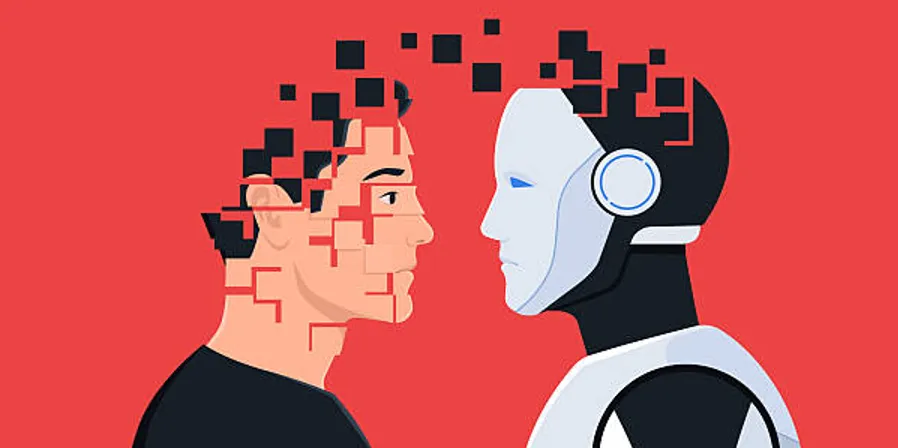

Charitable giving runs on a simple emotional mechanism: a person sees an image of genuine need, and it moves them to act. That mechanism is exactly what’s being exploited by a new wave of fundraising fraud, where AI-generated images of disaster damage, suffering children, or crisis scenes are used to solicit donations for situations that never happened, or that look far worse than reality. It’s a difficult thing to think about, but it’s become a real question nonprofits and donors both need answers to.
Unlike a shopper checking a product photo or a journalist verifying a viral image, the stakes here are emotional as well as financial — people are being manipulated through genuine compassion. Here are the questions coming up, and what a clear-eyed answer looks like.
Are fake disaster or crisis photos actually being used to solicit donations?
Yes, and this has already been documented following major hurricanes, earthquakes, and conflict events, where AI-generated images depicting exaggerated or entirely fabricated destruction circulated alongside genuine donation appeals. Some of these images were shared by well-meaning people who didn’t realize the photo was fake; others were used deliberately by scam accounts capitalizing on a real crisis to solicit money for nothing.
An AI image detector gives a nonprofit’s communications team, or a cautious donor, a way to check a circulating image before amplifying or donating based on it. Cudekai allows someone to upload a suspicious crisis photo and get a clear signal on whether it shows the fingerprints of AI generation, which matters enormously when a shared image is driving real donation decisions.
How would a legitimate nonprofit even get caught up in this?
More easily than it might seem. A nonprofit’s own volunteers or field staff might share a photo from a source they trusted, not realizing it had been altered or generated somewhere upstream. Alternatively, a nonprofit’s name and branding can be used without permission alongside fabricated imagery by a scam account impersonating the organization entirely, damaging real trust the nonprofit has spent years building.
Building a quick AI image detector check into a communications team’s review process, especially for time-sensitive crisis content, helps catch this before it goes out under the organization’s name. Cudekai’s speed matters here specifically, since crisis communications often move fast and a slow verification process defeats the purpose of catching a problem in time.
What can an individual donor actually do before giving?
The most practical step is treating a single dramatic image as a starting point for a quick check, not a reason to donate on the spot. If a specific photo is central to an appeal — an image doing most of the emotional work in convincing someone to give — running it through an AI image detector takes very little time and can prevent money from going toward a fabricated appeal.
CudekAI is built for exactly this kind of on-the-spot check, so a donor doesn’t need any special training to get a useful answer before deciding where their money goes. It’s a small habit that meaningfully lowers the risk of falling for a fabricated appeal.
Does this apply only to disaster relief, or other kinds of charitable appeals too?
It extends well beyond disaster relief. Fabricated “before and after” images are sometimes used in appeals related to poverty, medical fundraising, and animal welfare — cases where an emotionally powerful image is doing the heavy lifting of convincing someone to give, and where a fabricated or exaggerated version of that image is especially effective at manipulating a donor’s response.
This is why an AI image detector is worth thinking of as a general tool for the entire charitable sector, not a narrow response to one type of crisis. Cudekai applies the same underlying analysis regardless of the appeal’s subject matter, which makes it broadly useful across very different fundraising contexts.
Isn’t questioning charity images a little uncomfortable, even cynical?
It’s a genuinely uncomfortable instinct to act on, and that discomfort is worth acknowledging directly rather than dismissing. Nobody wants to feel like they’re doubting a legitimate appeal for people in real need. But the discomfort of checking is far smaller than the harm of large-scale donation fraud, which ultimately hurts genuine causes by eroding public trust in charitable appeals generally.
Framed that way, using an AI image detector isn’t cynicism — it’s a form of due diligence that protects the credibility of legitimate nonprofits as much as it protects individual donors. A quick check from a tool like Cudekai is a small, private action that doesn’t need to slow down genuine generosity.
Should nonprofits build this into how they handle field photography?
Increasingly, yes. As AI-generated imagery becomes cheaper and easier to produce, organizations that build basic image verification into their standard workflow — checking field photos before they’re used in an appeal, particularly ones sourced from volunteers or third parties — protect themselves from the reputational damage of unknowingly sharing something fabricated.
Cudekai’s accessibility means this doesn’t require a dedicated verification specialist on staff. A communications coordinator can run a check as a normal part of preparing an appeal, the same way they might already check a quote or a statistic before publishing it.
The bigger picture
Charitable giving depends on trust that’s easy to exploit and hard to rebuild once it’s broken. AI-generated crisis imagery adds a genuinely troubling new layer to that vulnerability, one that preys specifically on people’s willingness to help.
An AI image detector won’t stop bad actors from trying to exploit generosity, but it gives both nonprofits and donors a fast, practical way to protect the trust that charitable giving depends on. Tools like Cudekai make that check accessible enough to run before an appeal goes out, or before a donation is made — a small habit that helps keep genuine generosity pointed where it’s actually needed.