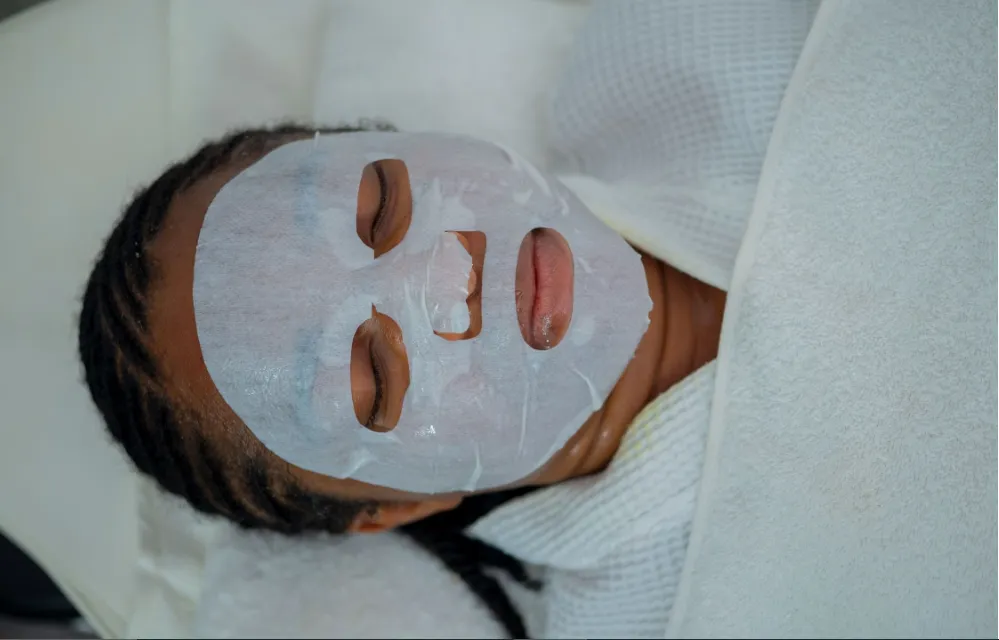

Skin is the only organ you see every day, and it tends to tell the truth before anything else does. A stretch of poor sleep, a stressful month at work, a diet that has slipped, dry indoor air through a long winter in Charlottesville: the skin registers all of it. Yet skin care is still widely treated as a question of vanity, something that sits beside makeup and grooming rather than beside exercise, nutrition, and rest. That framing does people a disservice.
Caring for your skin is not about chasing a flawless look. It is about paying attention to a part of your body that works constantly, protects you from the outside world, and quietly reports on how the rest of your health is doing.
Why Skin Health Deserves More Attention
Most people only think about their skin when something has already gone wrong, when it feels tight, dull, congested, or irritated after a difficult stretch. Facials are often filed away as a luxury, which leaves plenty of people without the deeper cleansing and trained attention their skin genuinely needs. A professional skin care session, carried out by someone who can read what your skin is actually asking for, closes that gap in a way no shelf of products at home can. If you’re also interested in knowing about the benefits of facials Charlottesville has excellent professionals who can guide you. Expert guidance takes the guesswork out of the process and gives you a clear direction instead of a cupboard full of half-used bottles.
The Skin as a Reflection of Overall Health
Your skin sits at the end of a long chain of internal processes. Circulation delivers oxygen and nutrients to it. Hormones influence how much oil it produces. The immune system governs how quickly it calms down after irritation. When any of those systems is under strain, the surface often shows it first through dullness, uneven tone, persistent dryness, or breakouts that appear without any obvious cause.
This is why skin concerns rarely respond to surface-level fixes alone. A rich cream will not undo months of poor sleep, and a strong cleanser will not resolve the effects of chronic stress. Treating the skin well means treating the body well, and the two are far harder to separate than most marketing suggests.
The Link Between Stress, Sleep, and Your Complexion
Stress has a direct physical footprint. When the body stays in a heightened state for long periods, it produces more of the hormones that increase oil production and slow healing. Skin that would normally recover in a few days takes much longer. People under sustained pressure often notice more sensitivity, more redness, and more frequent flare-ups of whatever their skin is already prone to.
Sleep works in the opposite direction. Overnight, the body carries out most of its repair work, including the renewal of skin cells and the restoration of moisture levels. Cutting sleep short cuts that process short as well. A consistent bedtime is not glamorous advice, but it does more for your complexion than almost anything you can apply to it.
How Nutrition and Hydration Shape Skin Health
What you eat and drink reaches your skin eventually. Diets heavy in processed food and sugar tend to encourage inflammation, and inflammation rarely stays invisible. Meals built around vegetables, fruit, whole grains, lean protein, and healthy fats supply the building blocks the skin uses to repair and protect itself.
Water matters too, though not in the simple way it is often described. Drinking more will not transform dry skin on its own, because moisture needs to be held in place as well as taken in. Still, a body that is properly hydrated functions better at every level, and the skin benefits from that along with everything else. Think of good nutrition and steady hydration as the foundation rather than the finish.
Protecting Your Skin From the Sun and the Seasons
Sun exposure remains the single largest cause of premature aging in the skin. Ultraviolet light breaks down the proteins that keep skin firm and even, and the damage accumulates quietly over years before it becomes visible. Daily sun protection is the most effective preventive habit available, and it matters in January as much as in July.
Seasonal shifts bring their own challenges. Cold air outside and heated air inside both pull moisture from the skin, while summer humidity can leave it congested. Adjusting your routine a few times a year, rather than using the same products regardless of conditions, keeps the skin comfortable through changes it cannot control on its own.
Knowing When to Ask for Help
Some concerns respond well to home care and patience. Others do not, and recognizing the difference saves time, money, and frustration. Conditions that persist for months, worsen despite your best efforts, or come with pain, significant redness, or changes in texture are worth discussing with someone qualified rather than managing through trial and error.
Asking for help is not an admission of failure. It is the same judgment you apply when a nagging injury does not heal or a cough refuses to clear. A trained eye can identify what is actually happening and shorten a process that might otherwise drag on indefinitely.
Making Skin Care Part of a Bigger Picture
Seen properly, skin care belongs in the same category as eating well, moving regularly, and sleeping enough. It is maintenance for a part of the body that does demanding work every hour of every day, standing between you and sunlight, bacteria, pollution, and temperature extremes. The visible results are real, but they are a by-product rather than the purpose.
Approach it that way and the pressure lifts. You are not pursuing perfection or trying to look like someone else. You are looking after yourself in a practical, sustainable way, and the reflection in the mirror simply follows along.