Quick Answer 🔥
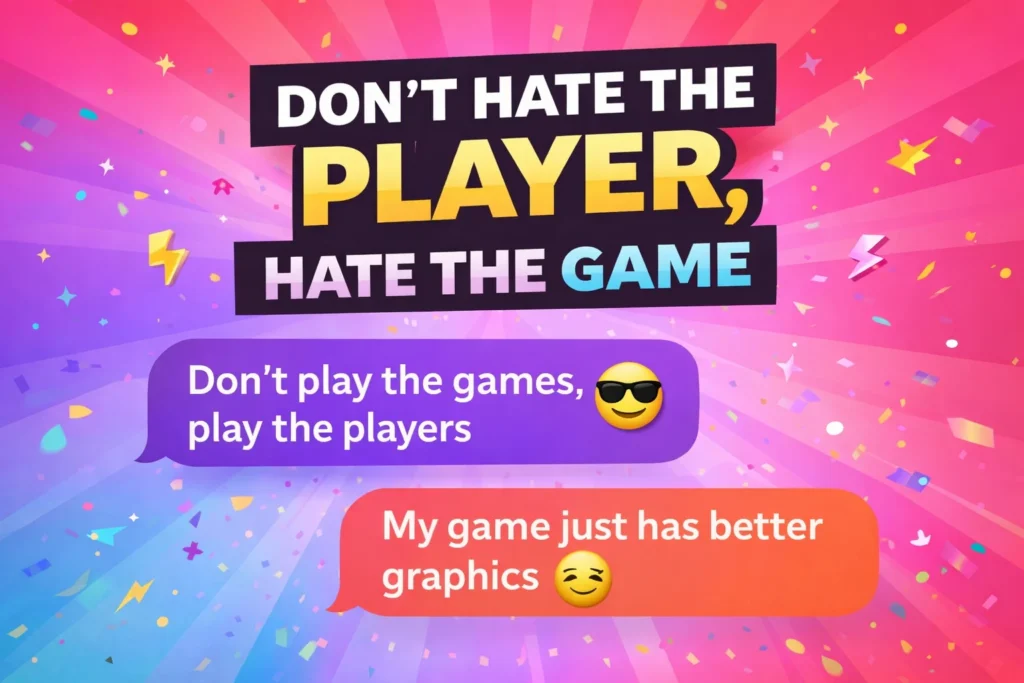
Looking for clever comebacks to “don’t hate the player, hate the game”? The best replies are witty, confident and slightly sarcastic while keeping the vibe fun.
Try: I do not hate anyone, I improve the rules, I am not mad I am impressed, The game needs better standards, I play smarter not louder, I respect the strategy
We have all heard it. Someone pulls a move, gets called out, and drops the classic line: “Don’t hate the player, hate the game.” It is bold, dramatic, and sometimes a little smug 😌.
It is in a debate, relationship situation, workplace competition, or social media comment section, this phrase shows up everywhere. That is exactly why having clever comebacks ready is powerful. A sharp response can flip the energy, keep you confident, and show that you are not intimidated.
The best replies are witty, smart, calm, and sometimes hilariously sarcastic. Instead of arguing, you can respond with style. Below you will find ready to use comebacks for every mood, from funny to professional, so you can handle the moment like a pro.
Funny Responses
- Good thing I brought popcorn for this game
Example: When someone uses the phrase during a playful debate.
Meaning: Light humor to reduce tension. - I am not hating, I am rating
Example: When reacting to someone’s bold move.
Meaning: Playful criticism. - The game needs better rules then
Example: When discussing unfair situations.
Meaning: Suggests improvement. - I only play games I can win
Example: When competing with friends.
Meaning: Confident humor. - Sounds like the game needs updates
Example: When responding to drama.
Meaning: Funny commentary. - I am just here for the leaderboard
Example: When joking in competition.
Meaning: Light competitive tone. - If this is the game, I need instructions
Example: When confused by situation.
Meaning: Playful sarcasm. - No hate, just observations
Example: When giving feedback.
Meaning: Calm response. - I prefer skill over excuses
Example: When discussing performance.
Meaning: Funny confidence. - This game is working overtime
Example: When reacting to drama.
Meaning: Humor about complexity. - I thought we were playing fair
Example: When things feel uneven.
Meaning: Playful challenge. - Is there a tutorial for this game
Example: When joking about rules.
Meaning: Light sarcasm. - The game seems confused too
Example: When pointing out flaws.
Meaning: Funny twist. - I brought strategy not drama
Example: When keeping things calm.
Meaning: Smart humor. - I am just here to win politely
Example: When competing in friendly way.
Meaning: Gentle joke.
Savage Responses
- Then maybe the game should be better
Example: When responding to unfair behavior.
Meaning: Direct challenge. - I do not hate, I evaluate
Example: When analyzing a situation.
Meaning: Confident reply. - If the game is broken, fix it
Example: When discussing problems.
Meaning: Strong statement. - I play to improve not complain
Example: When responding calmly.
Meaning: Mature confidence. - Excuses do not change results
Example: When discussing outcomes.
Meaning: Firm tone. - The game did not force your choice
Example: When calling out responsibility.
Meaning: Logical comeback. - Winning does not mean being right
Example: When debating ethics.
Meaning: Thoughtful response. - Level up instead of defending
Example: When suggesting improvement.
Meaning: Motivational tone. - I respect effort, not shortcuts
Example: When addressing behavior.
Meaning: Strong stance. - The game rewards skill not slogans
Example: When responding to bragging.
Meaning: Sharp remark. - Better strategy solves better problems
Example: When discussing competition.
Meaning: Intelligent reply. - I compete fairly, that is the game
Example: When clarifying values.
Meaning: Confident statement. - If the rules help you, use them wisely
Example: When reacting to advantage.
Meaning: Calm assertion. - Confidence is not the same as fairness
Example: When debating behavior.
Meaning: Thoughtful comeback. - Results speak louder than phrases
Example: When ending argument.
Meaning: Strong closing tone.
Calm and Classy Responses
- I focus on improving myself
Example: When avoiding drama.
Meaning: Self growth mindset. - I prefer solutions over blame
Example: In professional settings.
Meaning: Mature response. - Every game can be played better
Example: When discussing improvement.
Meaning: Constructive tone. - I respect competition
Example: When keeping it civil.
Meaning: Polite confidence. - Let us make the game better together
Example: In teamwork discussion.
Meaning: Cooperative spirit. - Healthy competition is welcome
Example: In workplace conversations.
Meaning: Balanced tone. - I believe in fair play
Example: When responding calmly.
Meaning: Ethical stance. - Growth matters more than winning
Example: In reflective discussion.
Meaning: Positive mindset. - I aim for progress not arguments
Example: When avoiding conflict.
Meaning: Peaceful reply. - We can improve the system
Example: When suggesting ideas.
Meaning: Solution focused. - Let us keep it respectful
Example: During debate.
Meaning: Polite boundary. - Competition is fine, disrespect is not
Example: When addressing tone.
Meaning: Clear standard. - I focus on my own lane
Example: When staying neutral.
Meaning: Calm confidence. - The best strategy always wins
Example: When discussing performance.
Meaning: Composed reply. - I play with integrity
Example: In formal environments.
Meaning: Strong values.
Sarcastic Responses
- Oh sorry, I did not realize it was a championship
Example: When someone says the phrase during a small argument.
Meaning: Light sarcasm to reduce tension. - Wow, such a dramatic game
Example: When reacting to overconfidence.
Meaning: Playful exaggeration. - Should I clap now or later
Example: When someone brags.
Meaning: Mock applause sarcasm. - Interesting strategy you have there
Example: When pointing out questionable behavior.
Meaning: Subtle sarcasm. - I will notify the game developers
Example: When discussing unfair rules.
Meaning: Funny sarcastic reply. - This game needs customer support
Example: When things feel flawed.
Meaning: Humorous criticism. - Did the game approve that move
Example: When reacting to tactics.
Meaning: Playful doubt. - I must have missed the rulebook
Example: When confused by behavior.
Meaning: Gentle sarcasm. - That sounds very convenient
Example: When someone justifies actions.
Meaning: Calm sarcasm. - The game seems very flexible
Example: When rules feel biased.
Meaning: Witty observation. - Good thing the game has excuses
Example: During debate.
Meaning: Light mockery. - I will adjust my imaginary rules
Example: When joking back.
Meaning: Playful tone. - What level are we on now
Example: When reacting to drama.
Meaning: Internet style sarcasm. - I respect the imagination
Example: When replying to exaggeration.
Meaning: Clever sarcasm. - Game must be proud of you
Example: When someone brags.
Meaning: Teasing response.
Smart Responses
- If the game is unfair, improve it
Example: When discussing systems.
Meaning: Logical challenge. - I prefer skill over slogans
Example: In competitive discussion.
Meaning: Intelligent reply. - Winning is about strategy not excuses
Example: When responding calmly.
Meaning: Thoughtful tone. - Maybe the rules need updating
Example: When pointing out flaws.
Meaning: Constructive suggestion. - I focus on playing better
Example: When avoiding argument.
Meaning: Growth mindset. - The system can always evolve
Example: When discussing improvement.
Meaning: Mature response. - Competition works best with fairness
Example: In professional setting.
Meaning: Balanced perspective. - Results matter more than phrases
Example: When closing debate.
Meaning: Confident statement. - Skill speaks without excuses
Example: When addressing performance.
Meaning: Direct logic. - Strong players adapt
Example: When talking about strategy.
Meaning: Intelligent comeback. - Better habits win long term
Example: When discussing success.
Meaning: Forward thinking. - The game rewards consistency
Example: In competitive context.
Meaning: Analytical reply. - Improvement beats blame
Example: When responding calmly.
Meaning: Positive mindset. - I choose growth over drama
Example: When ending conflict.
Meaning: Mature tone. - Let us raise the standard
Example: When suggesting change.
Meaning: Leadership energy.
Playful Responses
- I am just here for fun
Example: In friendly competition.
Meaning: Lighthearted tone. - No hate just vibes
Example: When keeping things chill.
Meaning: Relaxed response. - I play for enjoyment not arguments
Example: In casual setting.
Meaning: Friendly mindset. - Game on but make it fun
Example: During friendly debate.
Meaning: Playful energy. - Let us keep it entertaining
Example: When chatting with friends.
Meaning: Positive tone. - I enjoy a good challenge
Example: In competition.
Meaning: Healthy mindset. - All part of the fun
Example: When things get intense.
Meaning: Light perspective. - Competition keeps it interesting
Example: In group discussion.
Meaning: Balanced view. - I respect the game energy
Example: When acknowledging rivalry.
Meaning: Friendly tone. - We are just playing right
Example: When joking around.
Meaning: Casual confirmation. - That is the spirit of the game
Example: When keeping it positive.
Meaning: Encouraging tone. - I love a good match up
Example: In friendly rivalry.
Meaning: Excited response. - Let us enjoy the moment
Example: When reducing tension.
Meaning: Calm positivity. - It is all friendly competition
Example: In social environment.
Meaning: Playful clarity. - Good game energy only
Example: When ending discussion.
Meaning: Positive closure.
Confident Responses
- I am not hating, I am competing
Example: When someone tries to justify their move in a debate.
Meaning: Shows confidence without aggression. - I play smart, not loud
Example: When responding in a competitive situation.
Meaning: Highlights strategy over drama. - Confidence is part of the game
Example: When addressing bold behavior.
Meaning: Calm self assurance. - I trust my skills
Example: In any rivalry discussion.
Meaning: Simple and strong statement. - Winning is about preparation
Example: When discussing performance.
Meaning: Focus on effort. - I respect the challenge
Example: When reacting to competition.
Meaning: Mature confidence. - Every player has choices
Example: When debating responsibility.
Meaning: Logical perspective. - I focus on execution
Example: In professional environment.
Meaning: Results oriented reply. - Strong mindset wins
Example: When encouraging improvement.
Meaning: Confident tone. - I adapt and improve
Example: When responding to strategy talk.
Meaning: Growth mindset. - Skill over excuses every time
Example: During competitive argument.
Meaning: Direct confidence. - I compete with integrity
Example: In formal discussion.
Meaning: Ethical strength. - Preparation beats complaints
Example: When ending debate.
Meaning: Motivational tone. - I let results speak
Example: When avoiding long argument.
Meaning: Quiet confidence. - Game respects discipline
Example: When discussing performance.
Meaning: Strong mindset.
Chill Responses
- It is not that serious
Example: When calming down a conversation.
Meaning: Reduces tension. - All good here
Example: When responding casually.
Meaning: Relaxed tone. - No worries at all
Example: When keeping peace.
Meaning: Easygoing reply. - We can keep it simple
Example: During debate.
Meaning: Calm approach. - It is just competition
Example: When discussing rivalry.
Meaning: Neutral perspective. - Let us move on
Example: When ending discussion.
Meaning: Peaceful closure. - No hard feelings
Example: After playful argument.
Meaning: Friendly tone. - All part of the process
Example: When talking about outcomes.
Meaning: Balanced view. - Just doing my best
Example: When explaining actions.
Meaning: Honest response. - We are good
Example: When resolving tension.
Meaning: Friendly reassurance. - Nothing personal
Example: When clarifying intent.
Meaning: Neutral statement. - Keep it light
Example: When conversation gets intense.
Meaning: Relaxed reminder. - Just playing the game
Example: In competitive setting.
Meaning: Calm explanation. - Stay focused on the goal
Example: When redirecting talk.
Meaning: Practical tone. - It is all good energy
Example: When maintaining positivity.
Meaning: Peaceful vibe.
Witty Responses
- If this is the game, I need better graphics
Example: When reacting humorously.
Meaning: Clever sarcasm. - I prefer strategy over slogans
Example: In debate.
Meaning: Smart response. - Sounds like the game needs upgrades
Example: When discussing flaws.
Meaning: Light humor. - I play by results not phrases
Example: When replying confidently.
Meaning: Logical comeback. - Interesting defense strategy
Example: When someone uses the line.
Meaning: Subtle wit. - The scoreboard tells the story
Example: In competition talk.
Meaning: Results focused reply. - Maybe the game needs coaching
Example: When joking back.
Meaning: Playful wit. - That line is trending I see
Example: When hearing phrase often.
Meaning: Internet style humor. - Good thing I read the rules
Example: When responding cleverly.
Meaning: Smart tone. - I choose performance over excuses
Example: During argument.
Meaning: Strong logic. - Let us upgrade the system then
Example: When suggesting improvement.
Meaning: Creative reply. - Game recognized talent
Example: When replying playfully.
Meaning: Confident twist. - Strategy beats slogans
Example: In debate.
Meaning: Direct wit. - I play the long game
Example: When discussing plans.
Meaning: Intelligent mindset. - Rules can evolve too
Example: When addressing fairness.
Meaning: Thoughtful comeback.
Bold Responses
- Then change the game
Example: When responding firmly.
Meaning: Strong challenge. - I am here to win fairly
Example: In competitive setting.
Meaning: Confident stance. - If you do not like it improve it
Example: When discussing systems.
Meaning: Direct tone. - I compete not complain
Example: During debate.
Meaning: Bold clarity. - Standards matter
Example: When addressing behavior.
Meaning: Firm position. - I raise the bar
Example: When discussing performance.
Meaning: Leadership energy. - Play better not louder
Example: In rivalry talk.
Meaning: Strong message. - Results speak louder
Example: When ending argument.
Meaning: Confident closure. - Upgrade your strategy
Example: When responding to tactics.
Meaning: Bold suggestion. - Lead instead of blame
Example: When discussing improvement.
Meaning: Empowering tone. - Skill wins every time
Example: In competition.
Meaning: Direct confidence. - Fix the system if needed
Example: When talking fairness.
Meaning: Strong reply. - I focus on excellence
Example: In professional discussion.
Meaning: Bold mindset. - Game respects discipline
Example: When addressing effort.
Meaning: Powerful tone. - I let performance decide
Example: When avoiding argument.
Meaning: Strong statement.
Logical Responses
- If the game allows it, the game is the issue
Example: When discussing unfair advantages in a debate.
Meaning: Points out responsibility without attacking the person. - Rules define the outcome
Example: When responding in a structured discussion.
Meaning: Emphasizes systems over individuals. - Every game is shaped by its design
Example: When analyzing competition.
Meaning: Focuses on structure and fairness. - I respond to conditions not excuses
Example: When someone tries to justify behavior.
Meaning: Shifts focus to accountability. - Strategy works within the system
Example: In professional conversation.
Meaning: Highlights smart adaptation. - If the rules are clear, play accordingly
Example: During a competitive exchange.
Meaning: Encourages responsibility. - Outcomes reflect the framework
Example: When discussing results.
Meaning: Logical perspective. - Blame does not change design
Example: In argument setting.
Meaning: Calm reasoning tone. - The system influences behavior
Example: When debating fairness.
Meaning: Analytical response. - Change the rules if needed
Example: When suggesting improvement.
Meaning: Constructive solution. - Performance depends on structure
Example: In competitive talk.
Meaning: Logical explanation. - Adaptation is part of competition
Example: When discussing strategy.
Meaning: Rational mindset. - Better systems create better outcomes
Example: When addressing problems.
Meaning: Improvement focused. - I focus on what I can control
Example: When keeping conversation mature.
Meaning: Responsible attitude. - Let us improve the game together
Example: When proposing collaboration.
Meaning: Cooperative logic.
Mature Responses
- I prefer progress over arguments
Example: When avoiding drama in discussion.
Meaning: Shows emotional maturity. - No need to personalize competition
Example: When responding calmly.
Meaning: Keeps tone respectful. - Healthy competition is welcome
Example: In professional environment.
Meaning: Balanced mindset. - We can disagree respectfully
Example: During debate.
Meaning: Encourages civility. - Growth matters more than ego
Example: When ending conflict.
Meaning: Focus on improvement. - I choose professionalism
Example: In workplace conversation.
Meaning: Calm authority. - Let us keep it constructive
Example: When conversation becomes tense.
Meaning: Solution oriented. - Competition should inspire not divide
Example: When discussing rivalry.
Meaning: Positive approach. - Respect makes every game better
Example: In social exchange.
Meaning: Values fairness. - I aim for long term success
Example: When explaining strategy.
Meaning: Thoughtful mindset. - We all play by the same rules
Example: When addressing fairness.
Meaning: Equal perspective. - Maturity beats reactions
Example: When staying calm.
Meaning: Controlled response. - Let results define the discussion
Example: In competitive talk.
Meaning: Focus on outcomes. - Improvement is always possible
Example: When suggesting change.
Meaning: Growth attitude. - I value fairness over friction
Example: When resolving debate.
Meaning: Peaceful tone.
FAQs
What does “don’t hate the player, hate the game” mean?
It suggests blaming the system instead of the person.
When should I use clever comebacks?
Use them in casual debates, social media, or friendly competition.
Should responses be rude?
No, keep them smart and confident, not disrespectful.
Can I use humor in professional settings?
Yes, but keep it appropriate and calm.
What is the best type of comeback?
One that is witty, controlled, and shows confidence without aggression.
Conclusion
When someone says “don’t hate the player, hate the game,” you do not need to argue. A clever comeback can keep you confident, calm, and in control 😎.
You choose humor, sarcasm, class, or bold confidence, the key is staying composed. Smart replies show emotional intelligence and personality. Save your favorite lines, practice your tone, and respond in a way that reflects your style.
The right words can shift the entire conversation. Next time the phrase appears, you will be ready to reply like a pro.
Discover More Related Articles:
- 490 Smart Responses When a Guy Calls You Mommy: You’ll Love in 2026
- 300 Funny and Clever Replies to TGIF: That Start the Weekend Right in 2026