


Every homeowner encounters repair issues at some point. From a dripping faucet to cracked walls and clogged drains, home maintenance is an ongoing responsibility. While some problems require professional assistance, many common home repair problems can be fixed with basic tools and a little knowledge. Understanding the causes of these issues and knowing the right solutions can save you time, money, and unnecessary stress.
In this guide, we’ll explore the most common home repair problems and solutions, explain how to prevent them, and provide practical maintenance tips to keep your home in excellent condition.
Why Regular Home Maintenance Matters
Routine home maintenance helps prevent small issues from becoming expensive repairs. Ignoring minor warning signs can lead to structural damage, higher utility bills, mold growth, or safety hazards.
Benefits of regular maintenance include:
- Reduces repair costs
- Extends the lifespan of your home’s systems
- Improves energy efficiency
- Increases property value
- Creates a safer living environment
A proactive approach to home care is always more affordable than emergency repairs.
1. Leaky Faucets
A dripping faucet is one of the most common household problems. Although it may seem harmless, it wastes water and increases utility bills over time.
Common Causes
- Worn-out washers
- Damaged O-rings
- Corroded valve seats
- Loose components
Solutions
- Turn off the water supply before starting repairs.
- Replace worn washers or O-rings.
- Tighten loose fittings.
- Clean mineral buildup around the faucet.
- Replace the faucet if it is old or severely damaged.
Prevention Tips
- Avoid over-tightening handles.
- Clean faucets regularly to prevent mineral deposits.
- Inspect for leaks every few months.
2. Clogged Drains
Kitchen sinks, bathroom sinks, and shower drains frequently become clogged due to grease, soap residue, hair, and food particles.
Common Causes
- Hair buildup
- Grease accumulation
- Soap scum
- Food waste
Solutions
- Use a plunger to remove blockages.
- Pour hot water followed by baking soda and vinegar.
- Use a drain snake for stubborn clogs.
- Remove and clean the drain trap if necessary.
Prevention Tips
- Install drain strainers.
- Avoid pouring grease into the sink.
- Flush drains with hot water weekly.
3. Running Toilets
A running toilet can waste hundreds of gallons of water each day.
Common Causes
- Faulty flapper
- Broken fill valve
- Improper float adjustment
- Worn flush valve
Solutions
- Replace the rubber flapper.
- Adjust the float level.
- Install a new fill valve if needed.
- Check for worn internal components.
Prevention Tips
- Inspect toilet parts annually.
- Replace aging rubber seals before they fail.
4. Cracked Walls
Small wall cracks are common as homes settle, but larger cracks may indicate structural concerns.
Common Causes
- Natural settling
- Moisture damage
- Foundation movement
- Temperature changes
Solutions
- Fill hairline cracks with spackling compound.
- Sand and repaint repaired areas.
- Monitor expanding cracks.
- Consult a structural expert for large or recurring cracks.
Prevention Tips
- Maintain consistent indoor humidity.
- Repair foundation issues promptly.
- Keep gutters functioning properly.
5. Peeling Paint
Peeling paint not only looks unattractive but can also expose walls to moisture damage.
Common Causes
- High humidity
- Water leaks
- Poor surface preparation
- Low-quality paint
Solutions
- Scrape away loose paint.
- Sand the surface smooth.
- Apply primer.
- Repaint using quality interior or exterior paint.
Prevention Tips
- Fix leaks immediately.
- Improve ventilation in kitchens and bathrooms.
- Use moisture-resistant paint where needed.
6. Squeaky Doors and Hinges
Annoying squeaks usually result from friction between metal hinge components.
Common Causes
- Dry hinges
- Dirt buildup
- Rust
Solutions
- Apply lubricant such as silicone spray.
- Remove hinge pins and clean them.
- Replace severely rusted hinges.
Prevention Tips
- Lubricate hinges twice a year.
- Keep hinges clean and dry.
7. Drafty Windows and Doors
Air leaks around windows and doors reduce comfort and increase heating and cooling costs. Comparing providers through puco apples to apples can also help ensure you’re getting a competitive rate on the energy powering your heating and cooling system.
Common Causes
- Worn weatherstripping
- Poor insulation
- Gaps around frames
Solutions
- Replace weatherstripping.
- Apply caulk around window frames.
- Install door sweeps.
- Seal visible gaps.
Prevention Tips
- Inspect seals before each season.
- Replace damaged insulation promptly.
8. Electrical Outlet Problems
Faulty outlets can be inconvenient and potentially dangerous.
Common Causes
- Loose wiring
- Tripped breakers
- Worn outlets
- Overloaded circuits
Solutions
- Reset the circuit breaker.
- Test the outlet with an outlet tester.
- Replace damaged outlets.
- Call an electrician for wiring issues.
Prevention Tips
- Avoid overloading outlets.
- Replace loose outlets immediately.
- Test GFCI outlets monthly.
9. Roof Leaks
Roof leaks can quickly cause serious interior damage if left untreated.
Common Causes
- Missing shingles
- Damaged flashing
- Aging roofing materials
- Storm damage
Solutions
- Replace damaged shingles.
- Seal flashing around chimneys and vents.
- Repair small leaks quickly.
- Schedule professional roof inspections after severe storms.
Prevention Tips
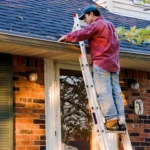
- Clean gutters regularly.
- Trim overhanging tree branches.
- Inspect the roof every spring and fall.
10. Low Water Pressure
Weak water pressure makes daily tasks frustrating and may indicate plumbing issues.
Common Causes
- Mineral buildup
- Pipe corrosion
- Hidden leaks
- Faulty pressure regulator
Solutions
- Clean faucet aerators.
- Check for plumbing leaks.
- Replace clogged showerheads.
- Contact a plumber if pressure remains low throughout the home.
Prevention Tips
- Install water softeners in hard water areas.
- Flush plumbing systems periodically.
Essential Home Repair Tools
Keeping a basic toolkit makes handling small repairs much easier.
Your toolkit should include:
- Hammer
- Screwdriver set
- Adjustable wrench
- Pliers
- Utility knife
- Measuring tape
- Level
- Cordless drill
- Plunger
- Drain snake
- Flashlight
- Caulking gun
- Safety gloves
- Safety goggles
These tools cover most routine household repairs.
Preventive Maintenance Checklist
Preventive maintenance helps reduce repair costs and extends the life of your home.
Monthly
- Check for plumbing leaks.
- Test smoke detectors.
- Inspect HVAC filters.
- Clean kitchen exhaust filters.
Every Six Months
- Clean gutters.
- Lubricate door hinges.
- Inspect weatherstripping.
- Test GFCI outlets.
Annually
- Service the HVAC system.
- Inspect the roof.
- Check attic insulation.
- Examine the home’s foundation.
- Flush the water heater.
Creating a maintenance schedule helps identify problems before they become expensive.
When to Call a Professional
While many home repairs are suitable for DIY projects, some situations require professional expertise.
Call a qualified contractor if you notice:
- Major roof damage
- Electrical wiring problems
- Foundation movement
- Large plumbing leaks
- Gas line issues
- Mold infestations
- Structural damage
Attempting complex repairs without proper knowledge may increase repair costs and create safety risks.
Final Thoughts
Understanding common home repair problems and solutions empowers homeowners to maintain their properties efficiently. Simple issues like clogged drains, leaky faucets, squeaky doors, and peeling paint are often easy to fix with basic tools and regular maintenance. Preventive care not only protects your investment but also improves comfort, safety, and energy efficiency.
By inspecting your home regularly, addressing small problems early, and knowing when to seek professional help, you can avoid costly repairs and enjoy a well-maintained home for years to come. A little attention today can prevent major headaches tomorrow, making homeownership far more rewarding and stress-free.
Also Read About: Space-Saving Ideas for Small Homes: Smart Solutions to Maximize Every Inch



Pingback: 5 Heating Oil Mistakes Costing You Hundreds Every Winter