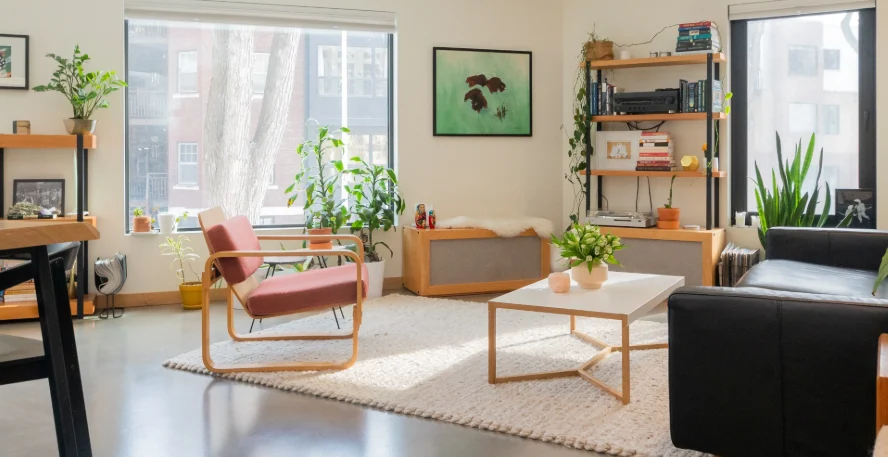

Small homes have a funny way of making every centimetre work hard. One minute you are admiring a neat little apartment or terrace, the next you are trying to cram winter coats, school bags, shoes, and that odd collection of things that never quite belongs anywhere into one tiny cupboard. It is a very Australian sort of puzzle, especially in cities where space comes at a premium and every bit of storage has to earn its keep.
A wardrobe should do more than hold clothes. It should make a room feel calmer, look sharper, and save you from that daily rummage where the whole front of the cupboard ends up on the floor. A well-planned wardrobe can bring order to the chaos without making the space feel heavy or boxy. That balance is the sweet spot.
Why smart wardrobe design matters so much in smaller homes
In homes where bedrooms are compact, storage has to be clever rather than bulky. A wardrobe that is badly planned can make a room feel cramped before you have even put the sheets on the bed. On the other hand, one that is designed with a bit of thought can make the whole place seem lighter, cleaner, and far easier to live in.
Australian homes come in all sorts of shapes and sizes. You will find narrow rooms in inner-city terraces, awkward corners in renovated weatherboard houses, and apartment layouts where the wardrobe space looks like it was added as an afterthought. That is where clever design earns its stripes. It is not just about fitting things in. It is about making the room work better for daily life.
Sliding doors save space and keep things looking neat
Sliding doors are a firm favourite for a reason. They do not swing out into the room, which means you can place a bed, a chair, or even a dressing table closer to the wardrobe without playing spatial chess every morning. They also give a cleaner visual line, which helps a room feel less cluttered.
Mirrored sliding doors are especially handy in smaller bedrooms. They bounce light around and give the impression of more space. That trick has been used in Australian homes for years, and for good reason. It works. A mirror can make a poky room feel a bit more open, and it saves you from having to hang yet another full-length mirror somewhere else.
For a softer look, matte finishes in white, pale oak, or warm grey can make the wardrobe blend into the wall rather than dominate it. That kind of restraint often suits modern Australian interiors, where people want a clean finish without everything feeling cold or soulless.
Built-in storage is the real hero
A good wardrobe is not just a hanging rail and a shelf or two. It needs proper zones. Hanging space for shirts, dresses, and jackets. Drawers for socks, scarves, and the mystery items that always disappear otherwise. Shelves for jumpers, bags, and boxes. If the wardrobe is deep enough, even a pull-out tray for accessories can make life easier.
Built-in storage works well because it uses the full height of the room. Too many wardrobes stop short and leave a wasted gap above, which is a missed opportunity. That space can be used for seasonal items, luggage, or the spare blanket you only need when winter gets a bit cheeky.
For families, extra compartments can be a lifesaver. One side for school uniforms, another for work clothes, and a lower section for the kids to reach without needing a ladder and a miracle. When storage is easy to use, people are far more likely to keep it tidy. No one enjoys a system that looks smart but falls apart by Wednesday.
Make the wardrobe part of the room, not a lump in the corner
One of the best ways to create a stylish room is to treat the wardrobe like part of the architecture. Matching it to the wall colour can help it sit quietly in the background. That is a neat little trick in bedrooms where the furniture is already doing plenty of visual work.
Some homeowners prefer a more custom look with feature panels, timber textures, or handleless doors. That gives the room a polished feel without being flashy. The idea is not to make the wardrobe shout for attention. It should feel settled, almost as if it was always meant to be there.
In places like Sydney, where apartments and townhouses often demand practical design choices, people often look for wardrobes Sydney homes can rely on for both storage and style. That usually means clean lines, solid materials, and layouts that fit the way real people live, not just the way show homes are staged.
Lighting changes everything
Wardrobe lighting gets overlooked all the time, which is a shame, because it can completely change the experience of using the space. A dark wardrobe can feel gloomy, even if the layout is excellent. Add soft internal lighting, and suddenly it feels more welcoming and a lot easier to use early in the morning when your eyes are still half asleep.
LED strip lighting is a popular choice. It is neat, energy-efficient, and gives a clear view of what is inside. That means no more pulling out three jumpers just to find the one you wanted in the first place. Motion-sensor lights are handy too, especially in built-ins tucked into darker corners of the room.
Natural light matters as well. If the wardrobe sits near a window, lighter finishes can help reflect the daylight. It is a small detail, but little things like that shape how a room feels.
Choose materials that suit Australian living
Australia’s climate can be a bit of a mixed bag, which means materials need to cope with heat, humidity, and day-to-day wear. Quality boards, durable finishes, and well-made fittings make a difference over time. A wardrobe is opened and closed constantly, so it needs to stand up to regular use without starting to look tired after a couple of years.
Timber-look finishes remain popular because they bring warmth into a room. White and neutral tones also have lasting appeal, especially in homes where people want a calm, easy-going look. For something a bit more refined, textured laminates and soft-touch surfaces can add interest without making the design feel overdone.
It is worth thinking about handles, too. Some people love a slim metal pull for a more tailored finish, while others prefer handleless doors for a sleek look. There is no need to make it complicated. The best choice is usually the one that feels right in the room and suits the way the household uses the space.
Storage can still have personality
Practical does not have to mean boring. A wardrobe can be useful and still feel personal. A splash of colour inside the drawers, a timber grain that adds warmth, or even a mix of open and closed storage can give the design a bit more character.
Some people like one open shelf for handbags or folded linen. Others want everything hidden away, neat as a pin. Both approaches work. The point is to make the wardrobe suit the home rather than forcing the home to suit the wardrobe.
A well-designed wardrobe can also take pressure off the rest of the room. When clothes, shoes, and odds and ends all have a proper place, there is less need for extra furniture. That makes the bedroom feel calmer and easier to move through, which is a blessing when space is tight.
Good planning beats guessing every time
There is a world of difference between a wardrobe that looks nice in a showroom and one that works in a real house with real mess, real routines, and real people forgetting where they left the jumper. Planning matters. Measure carefully. Think about what needs to go in the wardrobe now, not just what might go in later. A good design should reflect daily habits, whether that means more hanging space, extra drawers, or room for bulky items like coats and bedding.
That practical thinking is what makes a wardrobe feel satisfying long after the novelty wears off. It becomes part of the rhythm of the home, quietly doing its job without fuss. And really, that is what most people want. A room that looks good, works hard, and does not throw a tantrum when you try to shut the door.
Final thoughts
Stylish storage is never just about appearances. In smaller Australian homes, it can change the whole mood of a room. The right wardrobe makes a space feel more open, more ordered, and a lot less stressful. Sliding doors, built-in zones, thoughtful lighting, and finishes that suit the home all play a part.
When design and function work together, even a modest bedroom can feel surprisingly polished. That is the real trick. Not filling the room with more stuff, but making the storage smarter so the room can breathe a bit easier.