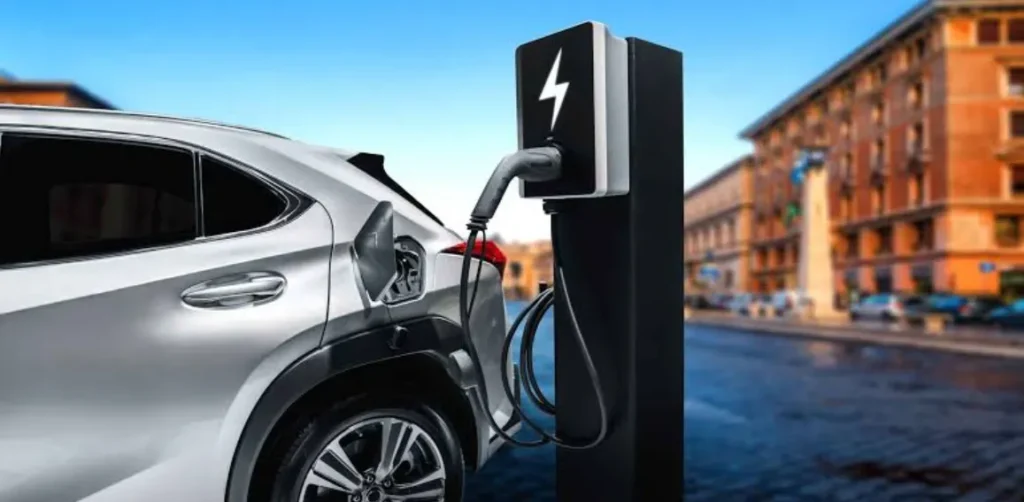

Electric vehicles (EVs) are no longer a niche innovation. They have become one of the most significant developments in the automotive industry, transforming how people travel and how governments approach sustainable transportation. As concerns about climate change, rising fuel prices, and environmental pollution continue to grow, electric vehicles have emerged as a cleaner and more efficient alternative to traditional gasoline and diesel-powered cars.
Advancements in battery technology, charging infrastructure, and vehicle performance have made EVs more practical than ever before. Leading automakers are investing billions of dollars in electric mobility, while governments across the globe are introducing incentives and regulations to encourage EV adoption. Consumers are also becoming increasingly aware of the long-term financial and environmental benefits of owning an electric vehicle.
The future of transportation extends far beyond replacing gasoline engines with electric motors. It includes smarter cities, autonomous driving, renewable energy integration, connected vehicles, and innovative mobility solutions that make travel safer, greener, and more efficient.
This article explores how electric vehicles are reshaping transportation, their advantages and challenges, technological innovations, and what the future holds for the global automotive industry.
What Are Electric Vehicles?
Electric vehicles are automobiles powered entirely or partially by electricity instead of conventional internal combustion engines. They use rechargeable battery packs to power electric motors, eliminating or significantly reducing the need for fossil fuels.
The main types of electric vehicles include:
- Battery Electric Vehicles (BEVs): Operate solely on electricity and produce zero tailpipe emissions.
- Plug-in Hybrid Electric Vehicles (PHEVs): Combine electric motors with gasoline engines for greater driving flexibility.
- Hybrid Electric Vehicles (HEVs): Use both gasoline engines and electric motors but cannot be plugged in for charging.
- Hydrogen Fuel Cell Vehicles (FCEVs): Generate electricity through hydrogen fuel cells with water vapor as the primary emission.
Among these, battery electric vehicles are leading the global shift toward sustainable transportation.
Why Electric Vehicles Are Growing in Popularity
Several factors have accelerated EV adoption around the world.
Environmental Benefits
Traditional vehicles emit carbon dioxide, nitrogen oxides, and harmful pollutants that contribute to climate change and poor air quality. Electric vehicles produce zero tailpipe emissions, helping reduce greenhouse gas emissions and improve urban air quality.
Lower Operating Costs
Electricity generally costs less than gasoline or diesel. EV owners spend less on fuel while also benefiting from reduced maintenance costs because electric motors contain fewer moving parts than traditional engines.
Government Incentives
Many countries encourage EV adoption through:
- Tax credits
- Purchase rebates
- Reduced registration fees
- Free parking
- Access to carpool lanes
- Charging infrastructure investments
These incentives make electric vehicles more affordable for consumers.
Better Technology
Modern EVs offer impressive driving ranges, faster charging speeds, advanced safety features, and high-performance electric motors that compete with or exceed conventional vehicles.
Key Advantages of Electric Vehicles
Reduced Carbon Footprint
Electric vehicles help decrease dependence on fossil fuels, especially when charged using renewable energy sources such as solar or wind power.
Quiet Operation
Electric motors operate almost silently, reducing noise pollution in cities and improving driving comfort.
Instant Acceleration
Unlike gasoline engines, electric motors deliver instant torque, providing smooth and rapid acceleration.
Lower Maintenance
Electric vehicles require fewer maintenance services because they do not need:
- Oil changes
- Spark plug replacements
- Exhaust system repairs
- Transmission maintenance
This significantly lowers ownership costs over time.
Energy Efficiency
Electric motors convert a much higher percentage of energy into motion compared to internal combustion engines, making EVs more energy efficient.
Challenges Facing Electric Vehicles
Although EVs have many advantages, several challenges remain.
Charging Infrastructure
Charging stations are expanding rapidly, but many rural and developing regions still have limited charging access. Increasing the number of fast chargers remains a priority.
Battery Production
Manufacturing lithium-ion batteries requires valuable minerals such as lithium, cobalt, and nickel. Sustainable mining practices and battery recycling are becoming increasingly important.
Charging Time
While refueling a gasoline vehicle takes only a few minutes, charging an EV can range from 20 minutes at fast chargers to several hours using home charging systems.
Initial Purchase Price
Although prices continue to fall, many electric vehicles still cost more upfront than comparable gasoline-powered cars. However, lower operating costs often offset this difference over time.
Advances in EV Battery Technology
Battery technology is evolving rapidly, making electric vehicles more practical and affordable.
Recent innovations include:
- Higher energy density batteries
- Longer driving ranges
- Faster charging capabilities
- Improved battery lifespan
- Enhanced safety systems
- Solid-state battery research
Future batteries are expected to deliver greater efficiency while reducing charging times and production costs.
Smart Charging and Renewable Energy
Electric vehicles play an important role in the transition toward renewable energy.
Smart charging systems allow vehicles to charge during off-peak electricity hours, reducing pressure on electrical grids.
Many homeowners now install solar panels alongside EV charging stations, allowing them to power their vehicles using clean, renewable energy.
Vehicle-to-grid (V2G) technology may eventually allow electric cars to return unused electricity to power grids during periods of high demand, creating a more stable and sustainable energy system.
Autonomous Electric Vehicles
Self-driving technology and electric vehicles are developing simultaneously.
Future autonomous EVs could:
- Reduce traffic accidents
- Improve transportation efficiency
- Lower transportation costs
- Provide greater mobility for elderly and disabled individuals
- Optimize traffic flow using artificial intelligence
Many manufacturers are investing heavily in autonomous driving systems that combine AI, sensors, cameras, and advanced software.
Electric Public Transportation
Electric mobility extends beyond personal vehicles.
Many cities are adopting:
- Electric buses
- Electric taxis
- Electric delivery vans
- Electric trucks
- Electric bicycles
- Electric scooters
These transportation options reduce urban pollution while improving energy efficiency and lowering operating costs.
Public transportation powered by electricity will likely become increasingly common over the next decade.
The Role of Artificial Intelligence
Artificial intelligence is transforming electric transportation through intelligent vehicle management.
AI helps improve:
- Battery performance
- Route optimization
- Predictive maintenance
- Driver assistance systems
- Traffic management
- Charging station recommendations
As AI technology advances, electric vehicles will become smarter, safer, and more efficient.
The Economic Impact of Electric Vehicles
The rise of electric transportation is creating millions of new jobs worldwide.
Growing industries include:
- Battery manufacturing
- Charging infrastructure
- Renewable energy
- Software development
- Autonomous driving technology
- Vehicle recycling
- Smart grid management
Automakers are investing billions in research and development, making electric mobility one of the fastest-growing sectors in the global economy.
What the Future Holds
The future of transportation is becoming increasingly electric, connected, and intelligent.
Over the next decade, we can expect:
- Longer battery ranges exceeding 600 miles
- Ultra-fast charging in under 15 minutes
- More affordable EV models
- Widespread autonomous driving
- Expanded charging networks
- Improved battery recycling
- Greater integration with renewable energy
- Smart cities built around electric mobility
Governments, manufacturers, and technology companies are working together to create transportation systems that are cleaner, safer, and more sustainable. Consumers will have more choices than ever before as electric vehicles continue replacing traditional internal combustion engine cars.
Conclusion
Electric vehicles represent one of the most important technological advancements in modern transportation. They offer cleaner energy, lower operating costs, reduced emissions, and improved driving experiences while helping combat climate change.
Although challenges such as charging infrastructure, battery production, and upfront costs still exist, rapid technological innovation continues to address these issues. Improvements in battery performance, artificial intelligence, renewable energy integration, and autonomous driving are accelerating the transition toward a more sustainable transportation ecosystem.
As governments strengthen environmental policies and automakers expand their electric vehicle offerings, EV adoption will continue to grow worldwide. The future of transportation is not only electric—it is also smarter, greener, and more connected. Investing in electric mobility today lays the foundation for a cleaner, more efficient, and environmentally responsible future for generations to come.
Also Read About: Benefits of Open-Source Software: Why More Individuals and Businesses Are Making the Switch