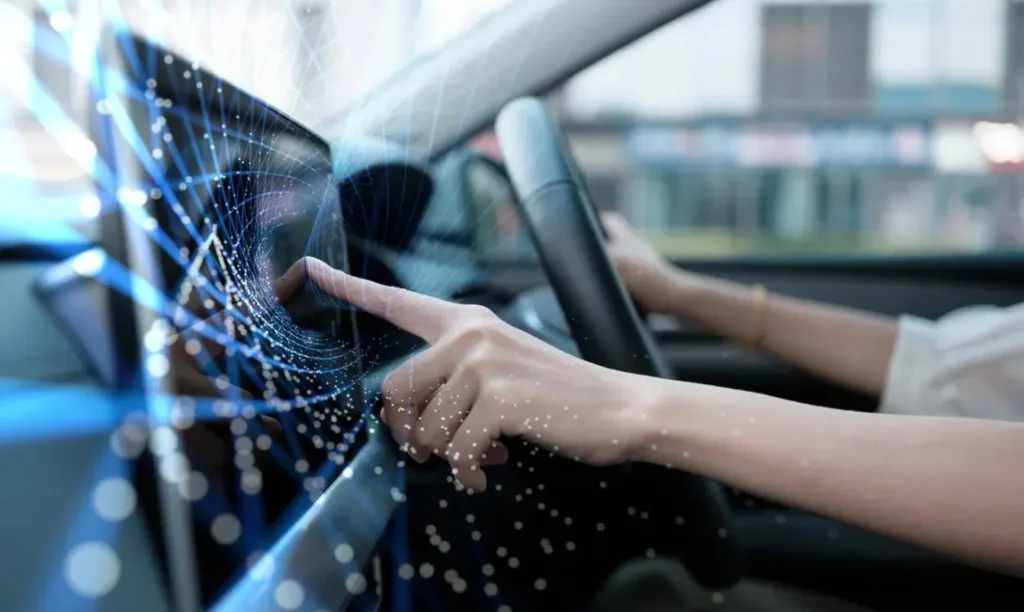

The automotive industry is changing faster than ever before. From artificial intelligence and electric powertrains to autonomous driving and connected vehicles, the future of transportation is becoming smarter, safer, and more sustainable. Car manufacturers are investing billions of dollars in research and development to create vehicles that offer improved performance, enhanced safety, and a better driving experience. Whether you’re a car enthusiast, a technology lover, or someone planning to buy a new vehicle in the coming years, understanding the latest automotive innovations can help you stay ahead of the curve. In this guide, we’ll explore the future car technologies to watch, how they work, and why they matter for everyday drivers.
Why Future Car Technology Matters
Modern vehicles are no longer just machines that take you from one place to another. Today’s cars are becoming intelligent systems capable of communicating with drivers, other vehicles, and even city infrastructure. Future automotive technologies aim to improve road safety, reduce carbon emissions, increase fuel efficiency, enhance driving comfort, lower maintenance costs, and create smarter transportation networks. As governments push for cleaner transportation and consumers demand better features, innovation in the automotive industry continues to accelerate. As vehicles become increasingly connected to smart city infrastructure, real-time data integration with modern Traffic Flow Traffic Management systems will play a vital role in optimizing road capacity, reducing bottlenecks, and ensuring seamless navigation for autonomous drivers.
1. Autonomous Driving Technology
Self-driving cars are among the most exciting developments in the automotive world. Autonomous vehicles use cameras, radar, LiDAR sensors, GPS, artificial intelligence, and high-definition mapping to analyze road conditions in real time. These systems detect pedestrians, recognize traffic signs, and make driving decisions with minimal human intervention. The biggest advantages include fewer accidents caused by human error, reduced traffic congestion, improved mobility for elderly and disabled individuals, and better fuel efficiency. Although fully autonomous vehicles are still being developed, many modern cars already offer semi-autonomous features like adaptive cruise control, lane-centering assistance, and automatic parking. As next-generation electric and autonomous vehicles become more widespread, relying on a professional Denver Car Shipping Company ensures these advanced, high-tech models are transported safely across long distances without adding unnecessary miles or risk.
2. Artificial Intelligence in Cars
Artificial Intelligence (AI) is transforming how vehicles operate. AI-powered systems can predict maintenance needs, learn driver preferences, optimize navigation routes, improve fuel efficiency, detect driver fatigue, and enhance vehicle safety. Future vehicles will continue learning from driver behavior and road conditions to provide a more personalized driving experience. Advanced voice assistants will also become smarter, allowing drivers to control navigation, music, climate settings, and phone calls using natural voice commands without distractions.
3. Electric Vehicle Advancements
Electric vehicles (EVs) remain at the center of automotive innovation. Future battery technologies are expected to provide driving ranges exceeding 600 miles on a single charge while supporting ultra-fast charging that can replenish batteries within 10 to 15 minutes. Improved manufacturing methods will lower battery costs, making EVs more affordable for everyday consumers. Solid-state batteries are also expected to replace many current lithium-ion batteries because they offer greater energy density, improved safety, faster charging speeds, and a longer lifespan. These advancements will accelerate global electric vehicle adoption.
4. Vehicle-to-Everything (V2X) Communication
Future cars will communicate with much more than just their drivers. Vehicle-to-Everything (V2X) technology enables vehicles to exchange information with other vehicles, traffic signals, road infrastructure, pedestrians, and emergency services. This constant communication helps provide early accident warnings, improve traffic flow, reduce congestion, speed up emergency response times, and increase pedestrian safety. As smart cities continue to evolve, V2X communication will become an essential part of intelligent transportation systems.
5. Advanced Driver Assistance Systems (ADAS)
Advanced Driver Assistance Systems are already making roads safer, and future versions will become even more capable. New technologies will include enhanced lane-keeping assistance, predictive collision avoidance, intelligent speed adaptation, smarter automatic emergency braking, traffic jam assistance, and driver-monitoring cameras. These systems are designed to minimize accidents, reduce driver stress, and make long-distance travel safer and more comfortable.
6. Augmented Reality Head-Up Displays
Traditional dashboards are gradually being replaced by augmented reality displays. Future head-up displays will project navigation directions, speed limits, hazard warnings, blind-spot alerts, pedestrian detection, and lane guidance directly onto the windshield. By keeping important information within the driver’s field of vision, augmented reality technology improves both safety and convenience while reducing distractions.
7. Biometric Vehicle Security
Traditional car keys may soon become obsolete. Future vehicles will rely on biometric authentication systems that recognize drivers through facial recognition, fingerprint scanning, iris recognition, or voice identification. These technologies provide stronger vehicle security while automatically adjusting personalized settings such as seat position, climate control, mirrors, and infotainment preferences for each authorized driver.
8. Over-the-Air Software Updates
Modern vehicles are becoming increasingly software-driven, making over-the-air (OTA) updates an essential feature. Instead of visiting a dealership, drivers will receive wireless updates that improve vehicle performance, introduce new features, fix software bugs, strengthen cybersecurity, and optimize battery management. This ensures that vehicles remain up to date throughout their lifespan without requiring physical service appointments.
9. Sustainable Materials and Eco-Friendly Manufacturing
The future of automotive design focuses not only on advanced technology but also on environmental responsibility. Manufacturers are increasingly using recycled plastics, bamboo interiors, plant-based fabrics, recycled aluminum, and sustainable leather alternatives. Many automotive factories are also transitioning toward renewable energy and carbon-neutral manufacturing processes. These efforts help reduce the environmental impact of vehicle production while meeting global sustainability goals.
10. Hydrogen Fuel Cell Technology
Although electric vehicles dominate current discussions, hydrogen fuel cell technology continues to show significant promise. Hydrogen-powered vehicles generate electricity through a chemical reaction between hydrogen and oxygen, producing only water vapor as an emission. They offer fast refueling times, long driving ranges, and zero tailpipe emissions, making them especially suitable for commercial trucks, buses, and long-distance transportation where battery charging may be less practical.
11. Smart Interior Technology
The vehicle interior of the future will resemble a connected smart home. Cars will feature AI-powered climate control, intelligent ambient lighting, personalized seating adjustments, health-monitoring sensors, gesture controls, and advanced voice assistants. Some systems may even monitor the driver’s stress levels and automatically adjust lighting, temperature, music, or seat settings to create a more relaxing driving environment.
12. Wireless Charging for Electric Cars
Wireless charging technology could eliminate the need for charging cables altogether. Future systems may support wireless charging in home garages, public parking spaces, and even dynamic charging while driving on specially equipped roads. Although still under development, this technology promises to make electric vehicle ownership far more convenient.
Cybersecurity Will Become More Important
As vehicles become increasingly connected, cybersecurity is becoming a top priority for manufacturers. Future automotive security systems will use encrypted communication, secure cloud connectivity, real-time threat detection, AI-powered security monitoring, and automatic security updates to protect vehicles from hacking attempts. Strong cybersecurity measures will play a crucial role in ensuring the safety and reliability of connected and autonomous vehicles.
Challenges Facing Future Car Technologies
Despite rapid innovation, several challenges remain before these technologies become mainstream. High development costs, expanding charging infrastructure, government regulations, cybersecurity concerns, public trust in autonomous driving, and data privacy issues all present significant obstacles. Collaboration between automakers, technology companies, and governments will be essential to overcome these challenges and accelerate adoption.
What Consumers Can Expect Over the Next Decade
During the next decade, vehicles will become significantly more autonomous, connected, energy-efficient, and environmentally friendly. Drivers can expect safer roads, smarter navigation systems, lower maintenance costs, improved fuel efficiency, cleaner energy sources, and highly personalized driving experiences. Many technologies currently found only in premium vehicles will gradually become standard across the automotive industry.
Final Thoughts
The future of automotive technology is transforming transportation in remarkable ways. Innovations such as autonomous driving, artificial intelligence, electric vehicles, augmented reality displays, biometric security, connected transportation systems, and sustainable manufacturing are reshaping the driving experience. As these technologies continue to mature, drivers will enjoy safer roads, lower emissions, greater convenience, and smarter vehicles. Whether you’re planning to purchase your next car or simply staying informed about industry trends, understanding these emerging technologies will help you prepare for the next generation of transportation. The cars of tomorrow will not only transport people but also communicate, learn, adapt, and protect, creating a driving experience that is safer, more efficient, and more intelligent than ever before.
Also Read About: Car Warranty Explained: Everything You Need to Know Before Buying or Repairing Your Vehicle