Ghorepani Poon Hill Trek vs Langtang Valley Trek: Which Nepal Himalayan Adventure Fits Your Travel Style? Nepal has no shortage of incredible trekking routes, but picking the right one isn't always simple. Some travelers want dramatic sunrise views without spending weeks in the mountains, while others dream of walking through remote Himalayan valleys rich in local culture and quiet trails. That's exactly why so many people end up comparing the Ghorepani Poon Hill Trek with the Langtang Valley Trek. Both deliver unforgettable landscapes, welcoming tea houses, and genuinely rewarding trekking experiences, yet once you're actually on the trail, they feel like completely different journeys. This guide walks through every detail that matters — scenery, trekking difficulty, permits, accommodation, cost, altitude, and the best season to go — so you can decide with confidence which route suits you. Whether this is your first trek in Nepal or you're back for another round in the Himalaya, this comparison should make the decision a lot easier. Experienced local operators, including nepalhightrek, usually recommend choosing a trek based on how much time you have and your fitness level, rather than simply picking whichever route is more famous on Instagram. Quick Comparison Between Ghorepani Poon Hill Trek and Langtang Valley Trek Feature Ghorepani Poon Hill Trek Langtang Valley Trek Trek Duration 4–6 days 7–10 days Maximum Altitude 3,210m (Poon Hill) 3,870m (Kyanjin Ri optional up to ~4,984m) Difficulty Easy to moderate Moderate Trek Distance 35–45 km 55–65 km Best For Beginners, families, short holidays Culture lovers, photographers, longer adventures Mountain Views Annapurna range sunrise panorama Langtang Lirung, glaciers, alpine peaks Cultural Experience Gurung and Magar villages Tamang heritage and Buddhist monasteries Accommodation Comfortable tea houses Simple tea houses, fewer options higher up Required Permits ACAP, TIMS Langtang National Park Permit, TIMS Starting Point Nayapul (near Pokhara) Syabrubesi Ending Point Nayapul / Pokhara Syabrubesi Typical Budget $300–$700 $400–$900 What Makes the Ghorepani Poon Hill Trek So Popular? A Classic Short Himalayan Trek Tucked inside the Annapurna region, the Ghorepani Poon Hill Trek has become something of a rite of passage for first-time trekkers in Nepal. It's short, it's scenic, and it doesn't demand months of training. You walk through thick rhododendron forests, pass stone-built Gurung villages, and climb early one morning to Poon Hill for one of the most famous sunrise views in the country. Because the trail is well established and the altitude stays relatively moderate, it's ideal for beginners, older travelers, and families with kids who still want a genuine mountain experience. Main Highlights The sunrise panorama from Poon Hill is really the heart of this trek — a 360-degree sweep that takes in Annapurna South, Dhaulagiri, and the sharp fishtail silhouette of Machhapuchhre glowing pink as the sun comes up. Beyond the viewpoint, the trail itself is a pleasure. Rhododendron and oak forests turn the path into a tunnel of green (or, in spring, a wash of red and pink blossoms), and the traditional villages along the way give you a real taste of local life without feeling touristy. Tea houses here tend to be a notch more comfortable than in remoter regions, which is part of why this route is so popular with families. Why Choose the Langtang Valley Trek? One of Nepal's Most Authentic Trekking Regions If Ghorepani Poon Hill is Nepal's introductory trek, Langtang is where things get a bit wilder. Set inside Langtang National Park, this trek pushes further into Tamang culture, past yak pastures, alpine meadows, and Buddhist monasteries strung with prayer flags. The trails see noticeably fewer trekkers than the Annapurna or Everest regions, so there's a sense of remoteness here that's hard to find elsewhere within such easy reach of Kathmandu. Main Highlights Kyanjin Gompa is the standout destination on this route — a small, high-altitude settlement with a monastery, a cheese factory worth visiting, and close-up views of Langtang Lirung and its glaciers. From there, several optional side trips let you get even closer to the ice, and the wildlife along the way (including the chance of spotting Himalayan tahr or red panda territory) adds another layer to the experience. The high mountain scenery in Langtang feels rawer and more dramatic than Ghorepani's, with glacial valleys and river gorges replacing the softer forested hills of the Annapurna foothills. Scenic Beauty Comparison Both treks are stunning, but in different registers. Ghorepani's forest experience is lush and layered, especially in spring when the rhododendrons bloom, while Langtang's landscape swings from dense forest at lower elevations to stark, glacier-carved valleys higher up. If snow peaks and river valleys are what you're after, Langtang edges ahead, with Langtang Lirung towering over the valley and glacial rivers cutting through the trail. For sunrise viewpoints, though, nothing quite beats Poon Hill — it's built for that one unforgettable morning. Photographers will find plenty to love on both routes, but Langtang generally offers more variety across a single trek, from glaciers to wildlife to monasteries. Trek Difficulty Compared Daily walking hours on the Ghorepani Poon Hill Trek usually run 4–6 hours, with a steep but short climb to the viewpoint itself. Elevation gain is gradual, and acclimatization isn't a major concern since you never really go high enough for altitude sickness to be a serious risk. Langtang, on the other hand, involves longer days of 5–7 hours, more cumulative elevation gain, and trail conditions that can be rougher in places, especially near the higher sections beyond Kyanjin Gompa. Acclimatization does matter more here, and a rest day is generally built into the itinerary. If you're reasonably fit but new to trekking, Ghorepani is the gentler choice. If you've got some trekking experience already and want a bit more of a physical challenge, Langtang will scratch that itch. Trek Duration and Suggested Itinerary Ghorepani Poon Hill Trek typically runs 4–6 days: Nayapul to Tikhedhunga, up to Ghorepani, the early sunrise hike to Poon Hill, then down through Tadapani or Ghandruk back to Nayapul. Langtang Valley Trek usually takes 7–10 days: Syabrubesi to Lama Hotel, on to Langtang village, up to Kyanjin Gompa (with a rest/acclimatization day), an optional side hike to Kyanjin Ri or the glacier, then retracing the route back down to Syabrubesi. Shorter treks like Ghorepani suit travelers with limited holiday time or those easing into high-altitude walking. Longer treks like Langtang reward people who can dedicate closer to two weeks and want a deeper, slower immersion into mountain life. Accommodation and Food Along Both Treks This is a tea house trek in both cases, meaning you're staying in family-run lodges rather than camping. On the Ghorepani route, rooms are often a little more polished, with private rooms fairly common and hot showers and Wi-Fi available at most stops (sometimes for a small fee). Langtang's tea houses are simpler, particularly the higher you go, though Kyanjin Gompa still has decent options with charging points and basic Wi-Fi. Food is similar across both regions — dal bhat is the trekker's staple for good reason, since it's an all-you-can-eat plate that fuels a long day of walking. Momos, noodle soups, and simple breakfast options like porridge, eggs, and Tibetan bread show up on menus everywhere. Prices for meals rise slightly the higher you climb, which is standard in Nepal given how supplies are transported. Permits Required For the Ghorepani Poon Hill Trek, you'll need an Annapurna Conservation Area Permit (ACAP) along with a TIMS card, both of which can be arranged in Kathmandu or Pokhara. For the Langtang Valley Trek, you'll need a Langtang National Park entry permit, plus TIMS where applicable. Regulations around independent trekking versus guided trekking have shifted in recent years, so it's worth checking current requirements through the Nepal Tourism Board or the Department of National Parks and Wildlife Conservation before you travel, since rules do get updated from time to time. Ghorepani Poon Hill Trek Cost Costs vary depending on how you travel. A budget traveler joining a group trek with basic tea house stays might spend around $300–$400 for the full trip. Mid-range packages that include a private guide, better accommodation, and all permits typically run $450–$600. A fully private guided trek with a porter, more comfortable lodges, and flexible scheduling can land anywhere from $600–$700. These figures generally cover permits, guide and porter fees, accommodation, most meals, and transport to and from the trailhead. Langtang Valley Trek Cost Because it's a longer trek with more days on the trail, Langtang costs a bit more overall. Budget travelers can expect to spend roughly $400–$500, covering basic tea houses, a shared guide, and standard meals. Mid-range trekkers, factoring in a private guide, porter, and slightly better lodges, should budget $550–$750. Private and fully customized treks, including transport by jeep rather than local bus and higher-end accommodation where available, can reach $800–$900. It's also smart to set aside a small emergency fund for unexpected costs like extra acclimatization days or transport delays, which happen more often on this route than on Ghorepani. Best Time to Visit Spring (March–May) is superb for both treks — rhododendrons are in full bloom around Ghorepani, and Langtang's meadows turn green with good visibility for mountain views. Autumn (September–November) is generally considered the best overall season for both routes, with clear skies, stable weather, and comfortable daytime temperatures, though trails are busier. Winter (December–February) brings cold temperatures and possible snow at higher elevations, particularly in Langtang, but also far fewer crowds and crisp visibility on clear days. Monsoon (June–August) is the least popular season for both, with rain, leeches on lower trails, and clouds frequently blocking mountain views, though Langtang's rain-shadow position occasionally gives it slightly better conditions than expected. Mountains You'll See From Poon Hill, the standout peaks are Annapurna I, Annapurna South, Machhapuchhre, Hiunchuli, and Dhaulagiri, all visible in a single sweeping panorama that makes the early wake-up call worth it. On the Langtang route, you're looking at Langtang Lirung dominating the valley, along with Dorje Lakpa, Gangchempo, Yala Peak, and Langshisa Ri, several of which are visible up close from Kyanjin Gompa and its surrounding ridgelines. Local Culture and Village Experience Ghorepani's trail runs through Gurung and Magar communities, known for their warm hospitality, traditional stone houses, and strong connection to Gurkha history. Langtang, by contrast, is shaped by Tamang heritage, with Buddhist monasteries, mani walls, and prayer flags marking the trail at nearly every turn. Both regions offer genuine, unscripted hospitality, but Langtang's Buddhist culture feels closer in spirit to what you'd find in Tibet, while Ghorepani's villages have a more distinctly Nepali hill-culture feel. Which Trek Is Better for Beginners? If you're new to trekking, traveling with family, or simply short on time, Ghorepani Poon Hill is the easier entry point — moderate walking days, good infrastructure, and a guaranteed payoff at sunrise. Older travelers and solo trekkers looking for a low-stress introduction to the Himalaya tend to gravitate here too. Langtang suits those who've done at least one trek before, or who don't mind a longer, slightly tougher itinerary in exchange for deeper cultural immersion and glacier scenery. Photography lovers and adventure seekers chasing something less crowded will likely prefer Langtang. Safety Tips Before Trekking Altitude awareness matters more on Langtang given the higher elevations reached near Kyanjin Ri, so pace yourself and watch for early symptoms of altitude sickness. Travel insurance that covers high-altitude trekking and emergency evacuation is non-negotiable for both routes. Pack for sudden weather changes, stay hydrated throughout the day, and don't underestimate the value of a licensed guide who knows the terrain and can make good calls if conditions turn. Responsible trekking also means sticking to marked trails and following Leave No Trace principles wherever you go. Packing Essentials Layering is everything in the Himalaya — a moisture-wicking base layer, a warm mid-layer, and a solid rain jacket will cover most conditions. Add a down jacket for cold mornings and evenings, broken-in trekking boots, a reusable water bottle, trekking poles for the knees on long descents, sunglasses for glare at altitude, a basic first aid kit, a power bank for charging devices in remote areas, and enough snacks to keep energy up between meals. Sustainable Trekking Practices Supporting local communities by staying in family-run tea houses, hiring licensed local guides and porters, and buying snacks or gear locally goes a long way toward keeping trekking tourism beneficial for the region. Reducing plastic waste by carrying a refillable bottle with a filter, respecting local culture and monasteries, and being mindful around wildlife are all part of responsible, sustainable travel in these fragile mountain ecosystems. Final Verdict: Which Trek Should You Choose? Choose the Ghorepani Poon Hill Trek if you're working with a shorter holiday, you're new to trekking, you want that unforgettable sunrise over the Annapurna range, and you'd rather keep things comfortable without sacrificing scenery. Choose the Langtang Valley Trek if you have more time to spare, you want a deeper cultural experience among Tamang communities and Buddhist monasteries, you're drawn to glacier and high-alpine scenery, and you'd prefer quieter trails away from the busier routes. Either way, take time to compare itineraries carefully, check current permit requirements, and talk things through with experienced local trekking professionals before booking. Both treks reward preparation, and picking the one that actually matches your fitness, schedule, and interests will make all the difference once you're out there on the trail. Frequently Asked Questions 1. Is the Ghorepani Poon Hill Trek suitable for beginners? Yes. It's widely considered one of the best beginner-friendly treks in Nepal, with moderate daily walking hours, lower altitude, and well-established tea houses along the way. Most reasonably fit travelers can complete it without prior trekking experience. 2. How difficult is the Langtang Valley Trek? It's rated moderate, with longer walking days and more elevation gain than Ghorepani. Some prior hiking experience helps, and a proper acclimatization day is recommended given the altitude reached near Kyanjin Gompa and Kyanjin Ri. 3. Which trek offers better mountain views? It depends what you're after. Ghorepani delivers one of Nepal's best sunrise panoramas over the Annapurna range from Poon Hill, while Langtang offers closer, more dramatic views of glaciers and high peaks like Langtang Lirung throughout the trek, not just from one viewpoint. 4. How much does the Ghorepani Poon Hill Trek and Langtang Valley Trek cost? In 2026, Ghorepani Poon Hill typically ranges from $300 to $700 depending on service level, while Langtang Valley generally runs $400 to $900, reflecting its longer duration and more remote logistics. 5. Which trek is better during spring and autumn? Both treks shine in these seasons. Spring brings blooming rhododendrons to Ghorepani and green meadows to Langtang, while autumn offers the clearest skies and most stable weather on both routes, making either season a safe bet for good visibility.

Ghorepani Poon Hill Trek vs Langtang Valley Trek: Which Nepal Himalayan Adventure Fits Your Travel Style?

Nepal has no shortage of incredible trekking routes, but picking the right one isn’t always simple. Some travelers want dramatic sunrise views without spending weeks in the mountains, while others dream of walking through remote Himalayan valleys rich in local culture and quiet trails.

That’s exactly why so many people end up comparing the Ghorepani Poon Hill Trek with the Langtang Valley Trek. Both deliver unforgettable landscapes, welcoming tea houses, and genuinely rewarding trekking experiences, yet once you’re actually on the trail, they feel like completely different journeys.

This guide walks through every detail that matters — scenery, trekking difficulty, permits, accommodation, cost, altitude, and the best season to go — so you can decide with confidence which route suits you. Whether this is your first trek in Nepal or you’re back for another round in the Himalaya, this comparison should make the decision a lot easier. Experienced local operators, including nepalhightrek, usually recommend choosing a trek based on how much time you have and your fitness level, rather than simply picking whichever route is more famous on Instagram.

Quick Comparison Between Ghorepani Poon Hill Trek and Langtang Valley Trek

FeatureGhorepani Poon Hill TrekLangtang Valley Trek
Trek Duration4–6 days7–10 days
Maximum Altitude3,210m (Poon Hill)3,870m (Kyanjin Ri optional up to ~4,984m)
DifficultyEasy to moderateModerate
Trek Distance35–45 km55–65 km
Best ForBeginners, families, short holidaysCulture lovers, photographers, longer adventures
Mountain ViewsAnnapurna range sunrise panoramaLangtang Lirung, glaciers, alpine peaks
Cultural ExperienceGurung and Magar villagesTamang heritage and Buddhist monasteries
AccommodationComfortable tea housesSimple tea houses, fewer options higher up
Required PermitsACAP, TIMSLangtang National Park Permit, TIMS
Starting PointNayapul (near Pokhara)Syabrubesi
Ending PointNayapul / PokharaSyabrubesi
Typical Budget$300–$700$400–$900

What Makes the Ghorepani Poon Hill Trek So Popular?

A Classic Short Himalayan Trek

Tucked inside the Annapurna region, the Ghorepani Poon Hill Trek has become something of a rite of passage for first-time trekkers in Nepal. It’s short, it’s scenic, and it doesn’t demand months of training. You walk through thick rhododendron forests, pass stone-built Gurung villages, and climb early one morning to Poon Hill for one of the most famous sunrise views in the country. Because the trail is well established and the altitude stays relatively moderate, it’s ideal for beginners, older travelers, and families with kids who still want a genuine mountain experience.

Main Highlights

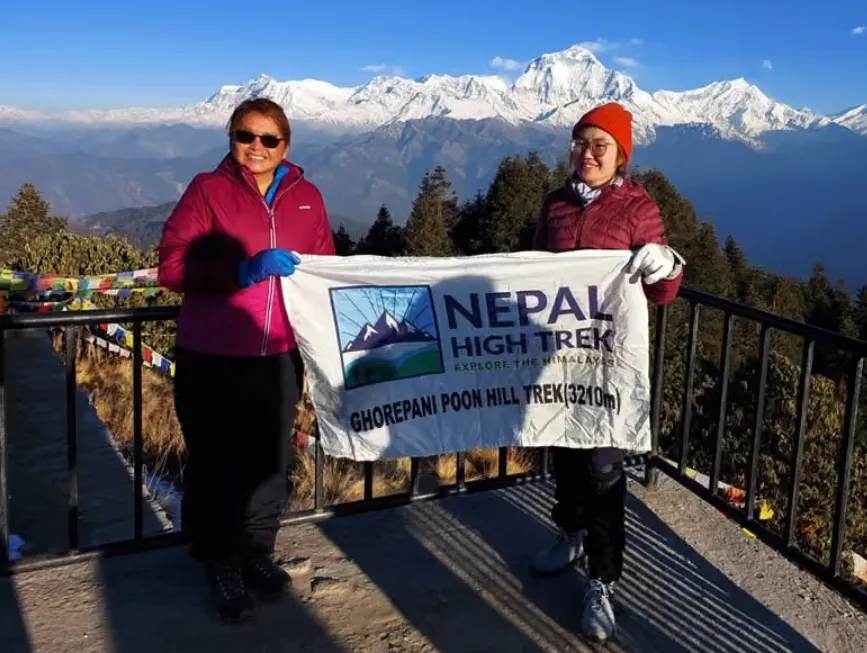
The sunrise panorama from Poon Hill is really the heart of this trek — a 360-degree sweep that takes in Annapurna South, Dhaulagiri, and the sharp fishtail silhouette of Machhapuchhre glowing pink as the sun comes up. Beyond the viewpoint, the trail itself is a pleasure. Rhododendron and oak forests turn the path into a tunnel of green (or, in spring, a wash of red and pink blossoms), and the traditional villages along the way give you a real taste of local life without feeling touristy. Tea houses here tend to be a notch more comfortable than in remoter regions, which is part of why this route is so popular with families.

Why Choose the Langtang Valley Trek?

Ghorepani Poon Hill Trek vs Langtang Valley Trek: Which Nepal Himalayan Adventure Fits Your Travel Style?

Nepal has no shortage of incredible trekking routes, but picking the right one isn't always simple. Some travelers want dramatic sunrise views without spending weeks in the mountains, while others dream of walking through remote Himalayan valleys rich in local culture and quiet trails.
That's exactly why so many people end up comparing the Ghorepani Poon Hill Trek with the Langtang Valley Trek. Both deliver unforgettable landscapes, welcoming tea houses, and genuinely rewarding trekking experiences, yet once you're actually on the trail, they feel like completely different journeys.
This guide walks through every detail that matters — scenery, trekking difficulty, permits, accommodation, cost, altitude, and the best season to go — so you can decide with confidence which route suits you. Whether this is your first trek in Nepal or you're back for another round in the Himalaya, this comparison should make the decision a lot easier. Experienced local operators, including nepalhightrek, usually recommend choosing a trek based on how much time you have and your fitness level, rather than simply picking whichever route is more famous on Instagram.
Quick Comparison Between Ghorepani Poon Hill Trek and Langtang Valley Trek
Feature
Ghorepani Poon Hill Trek
Langtang Valley Trek
Trek Duration
4–6 days
7–10 days
Maximum Altitude
3,210m (Poon Hill)
3,870m (Kyanjin Ri optional up to ~4,984m)
Difficulty
Easy to moderate
Moderate
Trek Distance
35–45 km
55–65 km
Best For
Beginners, families, short holidays
Culture lovers, photographers, longer adventures
Mountain Views
Annapurna range sunrise panorama
Langtang Lirung, glaciers, alpine peaks
Cultural Experience
Gurung and Magar villages
Tamang heritage and Buddhist monasteries
Accommodation
Comfortable tea houses
Simple tea houses, fewer options higher up
Required Permits
ACAP, TIMS
Langtang National Park Permit, TIMS
Starting Point
Nayapul (near Pokhara)
Syabrubesi
Ending Point
Nayapul / Pokhara
Syabrubesi
Typical Budget
$300–$700
$400–$900

What Makes the Ghorepani Poon Hill Trek So Popular?
A Classic Short Himalayan Trek
Tucked inside the Annapurna region, the Ghorepani Poon Hill Trek has become something of a rite of passage for first-time trekkers in Nepal. It's short, it's scenic, and it doesn't demand months of training. You walk through thick rhododendron forests, pass stone-built Gurung villages, and climb early one morning to Poon Hill for one of the most famous sunrise views in the country. Because the trail is well established and the altitude stays relatively moderate, it's ideal for beginners, older travelers, and families with kids who still want a genuine mountain experience.
Main Highlights
The sunrise panorama from Poon Hill is really the heart of this trek — a 360-degree sweep that takes in Annapurna South, Dhaulagiri, and the sharp fishtail silhouette of Machhapuchhre glowing pink as the sun comes up. Beyond the viewpoint, the trail itself is a pleasure. Rhododendron and oak forests turn the path into a tunnel of green (or, in spring, a wash of red and pink blossoms), and the traditional villages along the way give you a real taste of local life without feeling touristy. Tea houses here tend to be a notch more comfortable than in remoter regions, which is part of why this route is so popular with families.
Why Choose the Langtang Valley Trek?
One of Nepal's Most Authentic Trekking Regions
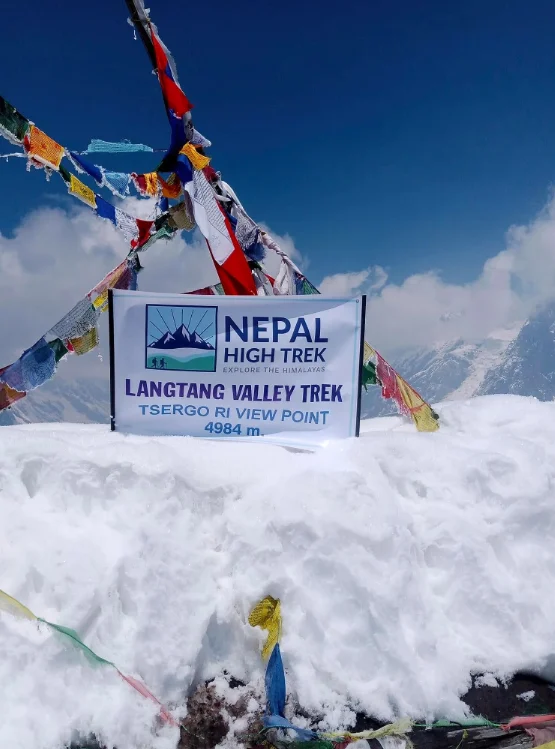
If Ghorepani Poon Hill is Nepal's introductory trek, Langtang is where things get a bit wilder. Set inside Langtang National Park, this trek pushes further into Tamang culture, past yak pastures, alpine meadows, and Buddhist monasteries strung with prayer flags. The trails see noticeably fewer trekkers than the Annapurna or Everest regions, so there's a sense of remoteness here that's hard to find elsewhere within such easy reach of Kathmandu.
Main Highlights
Kyanjin Gompa is the standout destination on this route — a small, high-altitude settlement with a monastery, a cheese factory worth visiting, and close-up views of Langtang Lirung and its glaciers. From there, several optional side trips let you get even closer to the ice, and the wildlife along the way (including the chance of spotting Himalayan tahr or red panda territory) adds another layer to the experience. The high mountain scenery in Langtang feels rawer and more dramatic than Ghorepani's, with glacial valleys and river gorges replacing the softer forested hills of the Annapurna foothills.
Scenic Beauty Comparison
Both treks are stunning, but in different registers. Ghorepani's forest experience is lush and layered, especially in spring when the rhododendrons bloom, while Langtang's landscape swings from dense forest at lower elevations to stark, glacier-carved valleys higher up. If snow peaks and river valleys are what you're after, Langtang edges ahead, with Langtang Lirung towering over the valley and glacial rivers cutting through the trail. For sunrise viewpoints, though, nothing quite beats Poon Hill — it's built for that one unforgettable morning. Photographers will find plenty to love on both routes, but Langtang generally offers more variety across a single trek, from glaciers to wildlife to monasteries.
Trek Difficulty Compared
Daily walking hours on the Ghorepani Poon Hill Trek usually run 4–6 hours, with a steep but short climb to the viewpoint itself. Elevation gain is gradual, and acclimatization isn't a major concern since you never really go high enough for altitude sickness to be a serious risk. Langtang, on the other hand, involves longer days of 5–7 hours, more cumulative elevation gain, and trail conditions that can be rougher in places, especially near the higher sections beyond Kyanjin Gompa. Acclimatization does matter more here, and a rest day is generally built into the itinerary. If you're reasonably fit but new to trekking, Ghorepani is the gentler choice. If you've got some trekking experience already and want a bit more of a physical challenge, Langtang will scratch that itch.
Trek Duration and Suggested Itinerary
Ghorepani Poon Hill Trek typically runs 4–6 days: Nayapul to Tikhedhunga, up to Ghorepani, the early sunrise hike to Poon Hill, then down through Tadapani or Ghandruk back to Nayapul.
Langtang Valley Trek usually takes 7–10 days: Syabrubesi to Lama Hotel, on to Langtang village, up to Kyanjin Gompa (with a rest/acclimatization day), an optional side hike to Kyanjin Ri or the glacier, then retracing the route back down to Syabrubesi.
Shorter treks like Ghorepani suit travelers with limited holiday time or those easing into high-altitude walking. Longer treks like Langtang reward people who can dedicate closer to two weeks and want a deeper, slower immersion into mountain life.
Accommodation and Food Along Both Treks
This is a tea house trek in both cases, meaning you're staying in family-run lodges rather than camping. On the Ghorepani route, rooms are often a little more polished, with private rooms fairly common and hot showers and Wi-Fi available at most stops (sometimes for a small fee). Langtang's tea houses are simpler, particularly the higher you go, though Kyanjin Gompa still has decent options with charging points and basic Wi-Fi.
Food is similar across both regions — dal bhat is the trekker's staple for good reason, since it's an all-you-can-eat plate that fuels a long day of walking. Momos, noodle soups, and simple breakfast options like porridge, eggs, and Tibetan bread show up on menus everywhere. Prices for meals rise slightly the higher you climb, which is standard in Nepal given how supplies are transported.
Permits Required
For the Ghorepani Poon Hill Trek, you'll need an Annapurna Conservation Area Permit (ACAP) along with a TIMS card, both of which can be arranged in Kathmandu or Pokhara. For the Langtang Valley Trek, you'll need a Langtang National Park entry permit, plus TIMS where applicable. Regulations around independent trekking versus guided trekking have shifted in recent years, so it's worth checking current requirements through the Nepal Tourism Board or the Department of National Parks and Wildlife Conservation before you travel, since rules do get updated from time to time.
Ghorepani Poon Hill Trek Cost
Costs vary depending on how you travel. A budget traveler joining a group trek with basic tea house stays might spend around $300–$400 for the full trip. Mid-range packages that include a private guide, better accommodation, and all permits typically run $450–$600. A fully private guided trek with a porter, more comfortable lodges, and flexible scheduling can land anywhere from $600–$700. These figures generally cover permits, guide and porter fees, accommodation, most meals, and transport to and from the trailhead.
Langtang Valley Trek Cost
Because it's a longer trek with more days on the trail, Langtang costs a bit more overall. Budget travelers can expect to spend roughly $400–$500, covering basic tea houses, a shared guide, and standard meals. Mid-range trekkers, factoring in a private guide, porter, and slightly better lodges, should budget $550–$750. Private and fully customized treks, including transport by jeep rather than local bus and higher-end accommodation where available, can reach $800–$900. It's also smart to set aside a small emergency fund for unexpected costs like extra acclimatization days or transport delays, which happen more often on this route than on Ghorepani.
Best Time to Visit
Spring (March–May) is superb for both treks — rhododendrons are in full bloom around Ghorepani, and Langtang's meadows turn green with good visibility for mountain views. Autumn (September–November) is generally considered the best overall season for both routes, with clear skies, stable weather, and comfortable daytime temperatures, though trails are busier. Winter (December–February) brings cold temperatures and possible snow at higher elevations, particularly in Langtang, but also far fewer crowds and crisp visibility on clear days. Monsoon (June–August) is the least popular season for both, with rain, leeches on lower trails, and clouds frequently blocking mountain views, though Langtang's rain-shadow position occasionally gives it slightly better conditions than expected.
Mountains You'll See
From Poon Hill, the standout peaks are Annapurna I, Annapurna South, Machhapuchhre, Hiunchuli, and Dhaulagiri, all visible in a single sweeping panorama that makes the early wake-up call worth it. On the Langtang route, you're looking at Langtang Lirung dominating the valley, along with Dorje Lakpa, Gangchempo, Yala Peak, and Langshisa Ri, several of which are visible up close from Kyanjin Gompa and its surrounding ridgelines.
Local Culture and Village Experience
Ghorepani's trail runs through Gurung and Magar communities, known for their warm hospitality, traditional stone houses, and strong connection to Gurkha history. Langtang, by contrast, is shaped by Tamang heritage, with Buddhist monasteries, mani walls, and prayer flags marking the trail at nearly every turn. Both regions offer genuine, unscripted hospitality, but Langtang's Buddhist culture feels closer in spirit to what you'd find in Tibet, while Ghorepani's villages have a more distinctly Nepali hill-culture feel.
Which Trek Is Better for Beginners?
If you're new to trekking, traveling with family, or simply short on time, Ghorepani Poon Hill is the easier entry point — moderate walking days, good infrastructure, and a guaranteed payoff at sunrise. Older travelers and solo trekkers looking for a low-stress introduction to the Himalaya tend to gravitate here too. Langtang suits those who've done at least one trek before, or who don't mind a longer, slightly tougher itinerary in exchange for deeper cultural immersion and glacier scenery. Photography lovers and adventure seekers chasing something less crowded will likely prefer Langtang.
Safety Tips Before Trekking
Altitude awareness matters more on Langtang given the higher elevations reached near Kyanjin Ri, so pace yourself and watch for early symptoms of altitude sickness. Travel insurance that covers high-altitude trekking and emergency evacuation is non-negotiable for both routes. Pack for sudden weather changes, stay hydrated throughout the day, and don't underestimate the value of a licensed guide who knows the terrain and can make good calls if conditions turn. Responsible trekking also means sticking to marked trails and following Leave No Trace principles wherever you go.
Packing Essentials
Layering is everything in the Himalaya — a moisture-wicking base layer, a warm mid-layer, and a solid rain jacket will cover most conditions. Add a down jacket for cold mornings and evenings, broken-in trekking boots, a reusable water bottle, trekking poles for the knees on long descents, sunglasses for glare at altitude, a basic first aid kit, a power bank for charging devices in remote areas, and enough snacks to keep energy up between meals.
Sustainable Trekking Practices
Supporting local communities by staying in family-run tea houses, hiring licensed local guides and porters, and buying snacks or gear locally goes a long way toward keeping trekking tourism beneficial for the region. Reducing plastic waste by carrying a refillable bottle with a filter, respecting local culture and monasteries, and being mindful around wildlife are all part of responsible, sustainable travel in these fragile mountain ecosystems.
Final Verdict: Which Trek Should You Choose?
Choose the Ghorepani Poon Hill Trek if you're working with a shorter holiday, you're new to trekking, you want that unforgettable sunrise over the Annapurna range, and you'd rather keep things comfortable without sacrificing scenery.
Choose the Langtang Valley Trek if you have more time to spare, you want a deeper cultural experience among Tamang communities and Buddhist monasteries, you're drawn to glacier and high-alpine scenery, and you'd prefer quieter trails away from the busier routes.
Either way, take time to compare itineraries carefully, check current permit requirements, and talk things through with experienced local trekking professionals before booking. Both treks reward preparation, and picking the one that actually matches your fitness, schedule, and interests will make all the difference once you're out there on the trail.
Frequently Asked Questions
1. Is the Ghorepani Poon Hill Trek suitable for beginners? Yes. It's widely considered one of the best beginner-friendly treks in Nepal, with moderate daily walking hours, lower altitude, and well-established tea houses along the way. Most reasonably fit travelers can complete it without prior trekking experience.
2. How difficult is the Langtang Valley Trek? It's rated moderate, with longer walking days and more elevation gain than Ghorepani. Some prior hiking experience helps, and a proper acclimatization day is recommended given the altitude reached near Kyanjin Gompa and Kyanjin Ri.
3. Which trek offers better mountain views? It depends what you're after. Ghorepani delivers one of Nepal's best sunrise panoramas over the Annapurna range from Poon Hill, while Langtang offers closer, more dramatic views of glaciers and high peaks like Langtang Lirung throughout the trek, not just from one viewpoint.
4. How much does the Ghorepani Poon Hill Trek and Langtang Valley Trek cost? In 2026, Ghorepani Poon Hill typically ranges from $300 to $700 depending on service level, while Langtang Valley generally runs $400 to $900, reflecting its longer duration and more remote logistics.
5. Which trek is better during spring and autumn? Both treks shine in these seasons. Spring brings blooming rhododendrons to Ghorepani and green meadows to Langtang, while autumn offers the clearest skies and most stable weather on both routes, making either season a safe bet for good visibility.

One of Nepal’s Most Authentic Trekking Regions

If Ghorepani Poon Hill is Nepal’s introductory trek, Langtang is where things get a bit wilder. Set inside Langtang National Park, this trek pushes further into Tamang culture, past yak pastures, alpine meadows, and Buddhist monasteries strung with prayer flags. The trails see noticeably fewer trekkers than the Annapurna or Everest regions, so there’s a sense of remoteness here that’s hard to find elsewhere within such easy reach of Kathmandu.

Main Highlights

Kyanjin Gompa is the standout destination on this route — a small, high-altitude settlement with a monastery, a cheese factory worth visiting, and close-up views of Langtang Lirung and its glaciers. From there, several optional side trips let you get even closer to the ice, and the wildlife along the way (including the chance of spotting Himalayan tahr or red panda territory) adds another layer to the experience. The high mountain scenery in Langtang feels rawer and more dramatic than Ghorepani’s, with glacial valleys and river gorges replacing the softer forested hills of the Annapurna foothills.

Scenic Beauty Comparison

Both treks are stunning, but in different registers. Ghorepani’s forest experience is lush and layered, especially in spring when the rhododendrons bloom, while Langtang’s landscape swings from dense forest at lower elevations to stark, glacier-carved valleys higher up. If snow peaks and river valleys are what you’re after, Langtang edges ahead, with Langtang Lirung towering over the valley and glacial rivers cutting through the trail. For sunrise viewpoints, though, nothing quite beats Poon Hill — it’s built for that one unforgettable morning. Photographers will find plenty to love on both routes, but Langtang generally offers more variety across a single trek, from glaciers to wildlife to monasteries.

Trek Difficulty Compared

Daily walking hours on the Ghorepani Poon Hill Trek usually run 4–6 hours, with a steep but short climb to the viewpoint itself. Elevation gain is gradual, and acclimatization isn’t a major concern since you never really go high enough for altitude sickness to be a serious risk. Langtang, on the other hand, involves longer days of 5–7 hours, more cumulative elevation gain, and trail conditions that can be rougher in places, especially near the higher sections beyond Kyanjin Gompa. Acclimatization does matter more here, and a rest day is generally built into the itinerary. If you’re reasonably fit but new to trekking, Ghorepani is the gentler choice. If you’ve got some trekking experience already and want a bit more of a physical challenge, Langtang will scratch that itch.

Trek Duration and Suggested Itinerary

Ghorepani Poon Hill Trek typically runs 4–6 days: Nayapul to Tikhedhunga, up to Ghorepani, the early sunrise hike to Poon Hill, then down through Tadapani or Ghandruk back to Nayapul.

Langtang Valley Trek usually takes 7–10 days: Syabrubesi to Lama Hotel, on to Langtang village, up to Kyanjin Gompa (with a rest/acclimatization day), an optional side hike to Kyanjin Ri or the glacier, then retracing the route back down to Syabrubesi.

Shorter treks like Ghorepani suit travelers with limited holiday time or those easing into high-altitude walking. Longer treks like Langtang reward people who can dedicate closer to two weeks and want a deeper, slower immersion into mountain life.

Accommodation and Food Along Both Treks

This is a tea house trek in both cases, meaning you’re staying in family-run lodges rather than camping. On the Ghorepani route, rooms are often a little more polished, with private rooms fairly common and hot showers and Wi-Fi available at most stops (sometimes for a small fee). Langtang’s tea houses are simpler, particularly the higher you go, though Kyanjin Gompa still has decent options with charging points and basic Wi-Fi.

Food is similar across both regions — dal bhat is the trekker’s staple for good reason, since it’s an all-you-can-eat plate that fuels a long day of walking. Momos, noodle soups, and simple breakfast options like porridge, eggs, and Tibetan bread show up on menus everywhere. Prices for meals rise slightly the higher you climb, which is standard in Nepal given how supplies are transported.

Permits Required

For the Ghorepani Poon Hill Trek, you’ll need an Annapurna Conservation Area Permit (ACAP) along with a TIMS card, both of which can be arranged in Kathmandu or Pokhara. For the Langtang Valley Trek, you’ll need a Langtang National Park entry permit, plus TIMS where applicable. Regulations around independent trekking versus guided trekking have shifted in recent years, so it’s worth checking current requirements through the Nepal Tourism Board or the Department of National Parks and Wildlife Conservation before you travel, since rules do get updated from time to time.

Ghorepani Poon Hill Trek Cost

Costs vary depending on how you travel. A budget traveler joining a group trek with basic tea house stays might spend around $300–$400 for the full trip. Mid-range packages that include a private guide, better accommodation, and all permits typically run $450–$600. A fully private guided trek with a porter, more comfortable lodges, and flexible scheduling can land anywhere from $600–$700. These figures generally cover permits, guide and porter fees, accommodation, most meals, and transport to and from the trailhead.

Langtang Valley Trek Cost

Because it’s a longer trek with more days on the trail, Langtang costs a bit more overall. Budget travelers can expect to spend roughly $400–$500, covering basic tea houses, a shared guide, and standard meals. Mid-range trekkers, factoring in a private guide, porter, and slightly better lodges, should budget $550–$750. Private and fully customized treks, including transport by jeep rather than local bus and higher-end accommodation where available, can reach $800–$900. It’s also smart to set aside a small emergency fund for unexpected costs like extra acclimatization days or transport delays, which happen more often on this route than on Ghorepani.

Best Time to Visit

Spring (March–May) is superb for both treks — rhododendrons are in full bloom around Ghorepani, and Langtang’s meadows turn green with good visibility for mountain views. Autumn (September–November) is generally considered the best overall season for both routes, with clear skies, stable weather, and comfortable daytime temperatures, though trails are busier. Winter (December–February) brings cold temperatures and possible snow at higher elevations, particularly in Langtang, but also far fewer crowds and crisp visibility on clear days. Monsoon (June–August) is the least popular season for both, with rain, leeches on lower trails, and clouds frequently blocking mountain views, though Langtang’s rain-shadow position occasionally gives it slightly better conditions than expected.

Mountains You’ll See

From Poon Hill, the standout peaks are Annapurna I, Annapurna South, Machhapuchhre, Hiunchuli, and Dhaulagiri, all visible in a single sweeping panorama that makes the early wake-up call worth it. On the Langtang route, you’re looking at Langtang Lirung dominating the valley, along with Dorje Lakpa, Gangchempo, Yala Peak, and Langshisa Ri, several of which are visible up close from Kyanjin Gompa and its surrounding ridgelines.

Local Culture and Village Experience

Ghorepani’s trail runs through Gurung and Magar communities, known for their warm hospitality, traditional stone houses, and strong connection to Gurkha history. Langtang, by contrast, is shaped by Tamang heritage, with Buddhist monasteries, mani walls, and prayer flags marking the trail at nearly every turn. Both regions offer genuine, unscripted hospitality, but Langtang’s Buddhist culture feels closer in spirit to what you’d find in Tibet, while Ghorepani’s villages have a more distinctly Nepali hill-culture feel.

Which Trek Is Better for Beginners?

If you’re new to trekking, traveling with family, or simply short on time, Ghorepani Poon Hill is the easier entry point — moderate walking days, good infrastructure, and a guaranteed payoff at sunrise. Older travelers and solo trekkers looking for a low-stress introduction to the Himalaya tend to gravitate here too. Langtang suits those who’ve done at least one trek before, or who don’t mind a longer, slightly tougher itinerary in exchange for deeper cultural immersion and glacier scenery. Photography lovers and adventure seekers chasing something less crowded will likely prefer Langtang.

Safety Tips Before Trekking

Altitude awareness matters more on Langtang given the higher elevations reached near Kyanjin Ri, so pace yourself and watch for early symptoms of altitude sickness. Travel insurance that covers high-altitude trekking and emergency evacuation is non-negotiable for both routes. Pack for sudden weather changes, stay hydrated throughout the day, and don’t underestimate the value of a licensed guide who knows the terrain and can make good calls if conditions turn. Responsible trekking also means sticking to marked trails and following Leave No Trace principles wherever you go.

Packing Essentials

Layering is everything in the Himalaya — a moisture-wicking base layer, a warm mid-layer, and a solid rain jacket will cover most conditions. Add a down jacket for cold mornings and evenings, broken-in trekking boots, a reusable water bottle, trekking poles for the knees on long descents, sunglasses for glare at altitude, a basic first aid kit, a power bank for charging devices in remote areas, and enough snacks to keep energy up between meals.

Sustainable Trekking Practices

Supporting local communities by staying in family-run tea houses, hiring licensed local guides and porters, and buying snacks or gear locally goes a long way toward keeping trekking tourism beneficial for the region. Reducing plastic waste by carrying a refillable bottle with a filter, respecting local culture and monasteries, and being mindful around wildlife are all part of responsible, sustainable travel in these fragile mountain ecosystems.

Final Verdict: Which Trek Should You Choose?

Choose the Ghorepani Poon Hill Trek if you’re working with a shorter holiday, you’re new to trekking, you want that unforgettable sunrise over the Annapurna range, and you’d rather keep things comfortable without sacrificing scenery.

Choose the Langtang Valley Trek if you have more time to spare, you want a deeper cultural experience among Tamang communities and Buddhist monasteries, you’re drawn to glacier and high-alpine scenery, and you’d prefer quieter trails away from the busier routes.

Either way, take time to compare itineraries carefully, check current permit requirements, and talk things through with experienced local trekking professionals before booking. Both treks reward preparation, and picking the one that actually matches your fitness, schedule, and interests will make all the difference once you’re out there on the trail.

Frequently Asked Questions

1. Is the Ghorepani Poon Hill Trek suitable for beginners? Yes. It’s widely considered one of the best beginner-friendly treks in Nepal, with moderate daily walking hours, lower altitude, and well-established tea houses along the way. Most reasonably fit travelers can complete it without prior trekking experience.

2. How difficult is the Langtang Valley Trek? It’s rated moderate, with longer walking days and more elevation gain than Ghorepani. Some prior hiking experience helps, and a proper acclimatization day is recommended given the altitude reached near Kyanjin Gompa and Kyanjin Ri.

3. Which trek offers better mountain views? It depends what you’re after. Ghorepani delivers one of Nepal’s best sunrise panoramas over the Annapurna range from Poon Hill, while Langtang offers closer, more dramatic views of glaciers and high peaks like Langtang Lirung throughout the trek, not just from one viewpoint.

4. How much does the Ghorepani Poon Hill Trek and Langtang Valley Trek cost? In 2026, Ghorepani Poon Hill typically ranges from $300 to $700 depending on service level, while Langtang Valley generally runs $400 to $900, reflecting its longer duration and more remote logistics.

5. Which trek is better during spring and autumn? Both treks shine in these seasons. Spring brings blooming rhododendrons to Ghorepani and green meadows to Langtang, while autumn offers the clearest skies and most stable weather on both routes, making either season a safe bet for good visibility.

Comments

No comments yet. Why don’t you start the discussion?

Leave a Reply

Your email address will not be published. Required fields are marked *