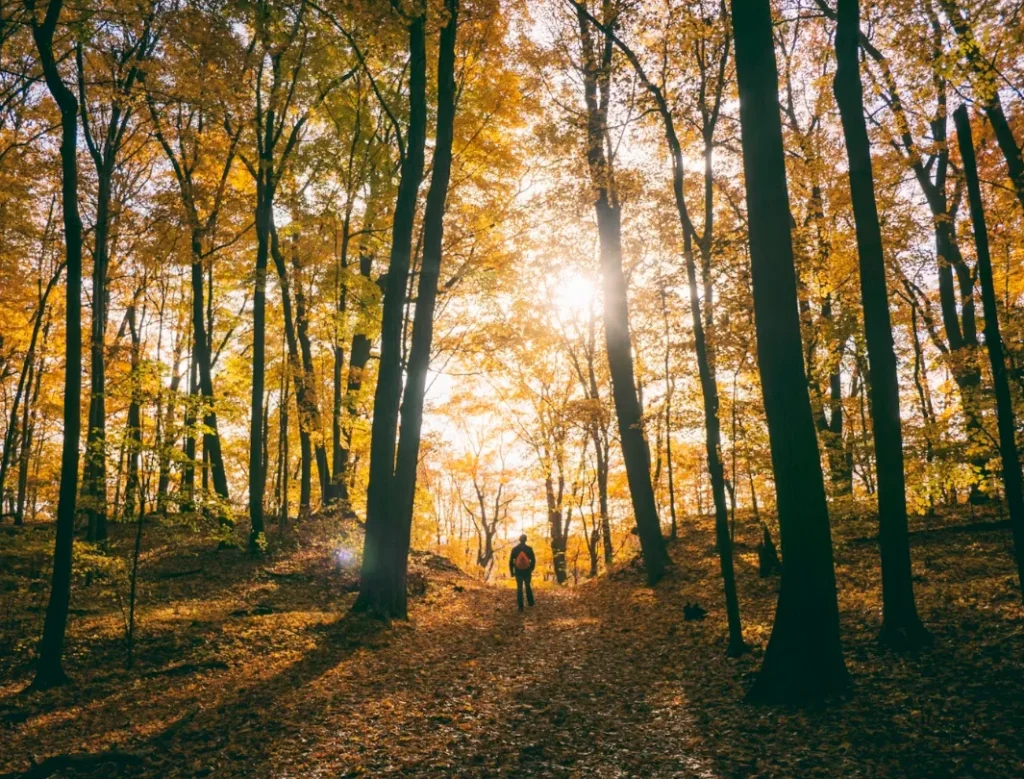

There is something quietly restorative about being in nature, and recovery is one of the times a person most needs that restoration. The natural world offers a kind of healing that complements clinical care beautifully. The setting for luxury substance abuse treatment often makes deliberate use of the outdoors, recognizing that nature itself can support the work of recovery. Fresh air and open space are more than pleasant extras. Here is how nature aids healing.
Nature is not a decorative backdrop to recovery. Used thoughtfully, the natural world becomes an active part of the healing process.
Nature calms the nervous system
Time in nature has a measurable calming effect. Being outdoors, among trees, water, or open landscapes, tends to lower stress and soothe an overstimulated nervous system. For people in recovery, whose systems are often depleted and dysregulated, this calming influence is genuinely valuable. A walk outside or simply sitting in a natural setting can ease anxiety and create the kind of internal calm that supports healing.
This calming effect is not trivial. A settled nervous system makes it easier to think clearly, engage with therapy, and handle difficult emotions, so the peace that nature brings quietly supports every other part of recovery. Even a short time outdoors can shift a person from agitation toward a steadier, more receptive state, ready for the work ahead.
Open space clears the mind
Beyond calming the body, nature clears the mind. Stepping into open space offers relief from the mental clutter and confinement that can weigh a person down. The perspective that comes from being in a larger natural world can lighten the intensity of one’s own struggles, offering a sense of proportion and room to breathe. This mental spaciousness is often exactly what a person in early recovery needs.
This shift in perspective can be subtle but powerful. Feeling part of something larger than one’s own difficulties often eases their grip, which is one of the quiet gifts the natural world offers a person in recovery. Problems that felt all-consuming indoors can seem more manageable under an open sky.
Gentle activity supports the body
Nature also invites gentle physical activity that supports healing. Walking, hiking, or simply moving through natural surroundings provides light exercise that benefits both body and mood, without the pressure of a demanding regimen. This kind of movement helps restore physical health, improves sleep, and lifts mood through the body’s own chemistry, all of which reinforce recovery in a gentle, sustainable way.
The appeal of this movement is that it does not feel like effort. Being drawn outdoors by beautiful surroundings makes physical activity natural and enjoyable rather than a chore, which is part of why nature-based movement supports recovery so effectively. A person is far more likely to keep moving when the setting itself invites them out.
A sense of renewal and connection
Perhaps most profoundly, nature can foster a sense of renewal and connection. Watching the rhythms of the natural world, its cycles of change and regrowth, can mirror and inspire a person’s own healing. Feeling connected to something larger can counter the isolation that often accompanies addiction, offering a quiet sense of belonging. This deeper resonance is part of why nature holds such a meaningful place in recovery.
This sense of connection and renewal speaks to something beyond the physical. Nature reminds a person that growth and change are possible, which can be a genuine source of hope during the difficult work of recovery.
Nature as a lasting resource
One of the quiet advantages of nature is that it remains available long after formal treatment ends. Unlike many supports, the outdoors costs nothing and is accessible almost anywhere, from a local park to a quiet garden. People who discover the restorative power of nature during luxury substance abuse treatment can carry that resource into their ongoing recovery, turning to it whenever they need calm, perspective, or a sense of renewal.
This durability makes nature a genuinely practical tool. A person can build simple habits, a daily walk, time spent outdoors, that continue to support their wellbeing for years, giving them a reliable source of calm they can always return to.
Simple ways to bring nature into recovery
Bringing nature into recovery does not require anything elaborate. A daily walk outside, time spent near water or greenery, tending a few plants, or simply pausing to notice the natural world can all provide benefit. The key is regularity rather than grandeur, since small, consistent contact with nature accumulates into a meaningful source of support. Even brief moments outdoors can steady and refresh a person.
This accessibility is part of what makes nature so valuable. Because it asks so little and offers so much, weaving it into daily life is one of the simplest and most sustainable ways a person can support their ongoing recovery.
Frequently Asked Questions (FAQs)
1. How does nature actually help recovery?
Time in nature lowers stress and calms an overstimulated nervous system, clears the mind, and invites gentle movement that benefits body and mood. It can also foster a sense of renewal and connection that counters isolation. These effects gently reinforce the clinical work of recovery.
2. Is nature just a pleasant extra, or does it matter?
It genuinely matters. Nature is not a decorative backdrop but an active part of healing. A calmer nervous system and clearer mind make it easier to engage with therapy and handle emotions, so the natural world quietly supports every other part of the recovery process.
3. What kinds of nature activities help?
Gentle ones: walking, hiking, or simply sitting in natural surroundings. These provide light exercise that improves sleep and mood without a demanding regimen. Being drawn outdoors by beautiful surroundings makes activity feel natural and enjoyable rather than a chore, which supports recovery effectively.
The natural world offers a gentle, powerful kind of healing, which is why nature is woven so thoughtfully into luxury substance abuse treatment