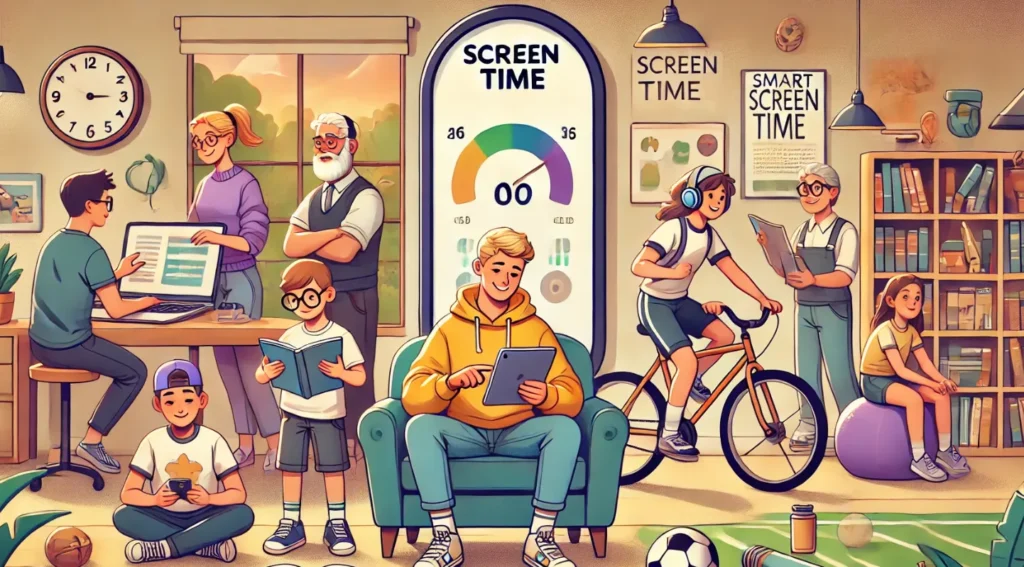

In today’s digital world, screens have become an essential part of education. Students use computers, tablets, smartphones, and other digital devices for online classes, homework, research, and communication. While technology offers countless learning opportunities, excessive screen time can negatively affect physical health, mental well-being, academic performance, and social development. Managing screen time has become more important than ever for students of all ages.
A healthy balance between digital learning and offline activities allows students to enjoy the benefits of technology without experiencing its harmful effects. Parents, teachers, and students all play an important role in developing responsible screen habits. By setting clear boundaries and encouraging healthy alternatives, students can improve focus, reduce stress, and enjoy a more balanced lifestyle.
This article explains why managing screen time is important, the risks of excessive device use, and practical strategies for creating healthy digital habits.
What Is Screen Time?
Screen time refers to the amount of time a person spends using digital devices with screens, including:
- Smartphones
- Tablets
- Laptops
- Desktop computers
- Televisions
- Gaming consoles
- Smart devices
Not all screen time is harmful. Educational activities such as attending online classes, completing assignments, researching projects, and learning new skills provide significant benefits. However, recreational screen time—including endless social media browsing, video streaming, gaming, and entertainment—should be monitored carefully.
The goal is not to eliminate screens but to use them wisely.
Why Managing Screen Time Matters
Balanced screen use supports both academic success and overall well-being. Students who spend too much time on digital devices may struggle with concentration, sleep quality, physical activity, and emotional health.
Proper screen management helps students:
- Improve academic performance
- Sleep better
- Reduce stress and anxiety
- Stay physically active
- Strengthen family relationships
- Develop better communication skills
- Increase productivity
- Maintain healthier eyesight
Creating healthy digital habits early prepares students for responsible technology use throughout life.
Negative Effects of Excessive Screen Time
Eye Strain
Looking at screens for long periods can cause digital eye strain. Common symptoms include:
- Blurry vision
- Dry eyes
- Headaches
- Eye fatigue
- Difficulty focusing
Regular breaks help reduce these problems.
Poor Sleep Quality
Using phones or tablets before bedtime exposes students to blue light, which interferes with the body’s natural sleep cycle. Poor sleep can lead to:
- Fatigue
- Difficulty concentrating
- Lower academic performance
- Mood swings
Avoiding screens at least one hour before bedtime can improve sleep quality.
Reduced Physical Activity
Many students spend hours sitting while using digital devices. This sedentary lifestyle increases the risk of:
- Weight gain
- Poor posture
- Muscle stiffness
- Reduced fitness levels
Daily exercise helps balance screen use.
Mental Health Challenges
Too much time on social media or gaming may contribute to:
- Anxiety
- Depression
- Low self-esteem
- Social isolation
- Increased stress
Limiting recreational screen time encourages healthier emotional development.
Lower Academic Performance
Constant notifications and digital distractions reduce students’ ability to concentrate. Frequent multitasking makes learning less effective and lowers productivity.
Recommended Screen Time Guidelines
Although educational screen time is often necessary, experts recommend balancing it with offline activities.
General recommendations include:
| Age Group | Suggested Recreational Screen Time |
| Preschool Children | Up to 1 hour daily |
| School-Age Children | Around 1–2 hours daily |
| Teenagers | Moderate use with healthy limits and regular breaks |
Educational screen time should be balanced with reading, outdoor play, exercise, and family interaction.
Signs That a Student Needs Better Screen Management
Students may be spending too much time on screens if they:
- Ignore homework
- Lose interest in hobbies
- Stay awake late using devices
- Become irritated when devices are taken away
- Avoid family interactions
- Experience frequent headaches
- Show declining grades
- Spend most free time online
Recognizing these warning signs early allows families to make positive changes.
Practical Tips for Managing Screen Time
Create a Daily Schedule
Students should follow a structured routine that includes:
- Study time
- Homework
- Meals
- Exercise
- Family activities
- Recreation
- Sleep
A schedule prevents unnecessary device use.
Set Screen Time Limits
Parents and students can agree on daily limits for entertainment. Educational use should remain flexible, while recreational use should have reasonable boundaries.
Follow the 20-20-20 Rule
To reduce eye strain:
Every 20 minutes, look at something 20 feet away for at least 20 seconds.
This simple habit helps protect vision.
Keep Devices Out of Bedrooms
Removing phones and tablets before bedtime reduces distractions and promotes better sleep.
Charging devices outside the bedroom can be very effective.
Encourage Offline Activities
Students should spend time on activities that do not involve screens, including:
- Reading books
- Playing sports
- Drawing
- Music
- Gardening
- Family games
- Outdoor walks
- Creative hobbies
These activities improve both physical and mental health.
Turn Off Unnecessary Notifications
Frequent alerts interrupt concentration.
Disabling non-essential notifications helps students stay focused during study sessions.
Use Technology Wisely
Educational apps, language learning platforms, digital libraries, and online courses provide valuable learning opportunities.
Students should prioritize productive digital activities over endless entertainment.
The Role of Parents
Parents have a significant influence on children’s digital habits.
They can support healthy screen management by:
- Setting clear household rules
- Being positive role models
- Eating meals without devices
- Planning family activities
- Monitoring online content
- Encouraging open communication
- Praising responsible technology use
Children are more likely to develop healthy habits when parents follow the same rules.
The Role of Teachers
Schools also play an important role in promoting balanced technology use.
Teachers can:
- Include regular movement breaks during online learning
- Assign offline projects
- Educate students about digital wellness
- Encourage classroom discussions
- Limit unnecessary screen-based homework
- Promote collaboration through face-to-face activities
Balanced teaching methods improve student engagement.
Building Healthy Digital Habits
Healthy screen management is not about avoiding technology completely. Instead, students should learn responsible digital behavior by:
- Using screens with purpose
- Taking regular breaks
- Prioritizing homework
- Spending time outdoors
- Exercising daily
- Getting enough sleep
- Maintaining social relationships
- Practicing self-control
These habits improve both academic performance and overall well-being.
Benefits of Balanced Screen Time
Students who successfully manage screen time often experience:
- Better concentration
- Higher academic achievement
- Improved sleep quality
- Stronger physical health
- Better posture
- Healthier eyesight
- Lower stress levels
- Improved emotional well-being
- Stronger family relationships
- Greater self-discipline
Small daily improvements can lead to lifelong healthy habits.
Conclusion
Managing screen time is an essential life skill for today’s students. Technology has transformed education, making learning more accessible and interactive than ever before. However, excessive screen use can affect physical health, mental wellness, sleep, and academic success.
The key is finding a healthy balance between educational technology and offline experiences. By setting reasonable limits, taking regular breaks, staying physically active, and encouraging meaningful real-world interactions, students can enjoy the benefits of technology while protecting their overall well-being.
Developing healthy screen habits today prepares students for a more productive, healthier, and successful future in an increasingly digital world.
Also Read About: Hybrid Learning Explained: A Complete Guide to Modern Education