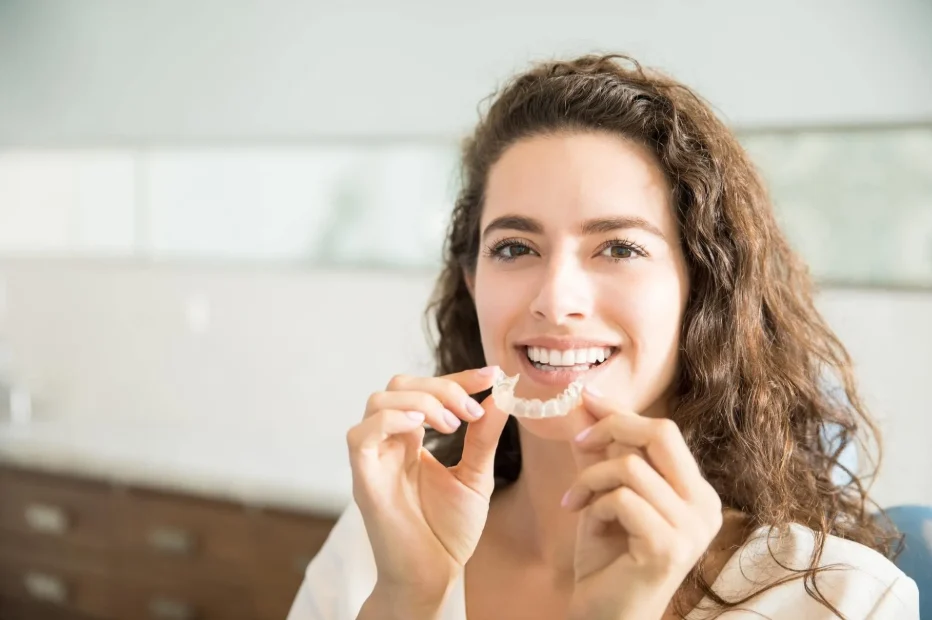

Growing Up Does Not Mean Giving Up on Straight Teeth
There’s a funny little myth that orthodontic treatment is only for teenagers with metal braces and school photos they’d rather forget. Plenty of adults in Australia still carry that idea around, even when their teeth have been quietly nudging, crowding, or shifting for years. Life gets busy. Kids, work, bills, family dinners, the lot. A smile ends up slipping down the to-do list. Then one day, maybe while catching your reflection in a shop window or laughing in a photo, it clicks. “Right, maybe now’s the time.” And honestly, it often is. Adult orthodontic treatment has come a long way. These days, it’s not just about straightening teeth for looks. It can help with cleaning, biting, jaw comfort, and that awkward feeling when one tooth seems to have taken a path of its own. For many adults across Australia, getting treatment later in life feels less like vanity and more like finally sorting something that has bothered them for ages.
Why Adults Decide to Get Orthodontic Treatment
People choose treatment for all sorts of reasons. Some have had crooked teeth since childhood and never got around to fixing them. Others had braces years ago, skipped retainers, and watched things drift back out of line. A few only notice the problem after a dentist points out wear, crowding, or bite issues. A lot of adults also want a smile that feels easier to live with. Not perfect. Just comfortable. Teeth that meet properly when chewing. Teeth that are easier to clean. Teeth that do not catch the eye for all the wrong reasons in every photo. In Australian suburbs and regional towns alike, more adults are asking about aligners and braces than ever before. It’s not some rare, dramatic thing. It’s becoming fairly normal, which is a relief for anyone who thought they’d missed the boat.
What Treatment Can Help With
Orthodontics is often talked about as if it’s only for straightening crooked teeth, but that’s only part of the story.
Improving bite alignment
If your bite is off, chewing can feel clumsy or uneven. Some people even find they wear down certain teeth faster than others. A proper bite can make day-to-day eating feel a lot less fiddly.
Making cleaning easier
Crowded or overlapping teeth can trap food and plaque. That means brushing and flossing takes more effort. Straightening things out can make oral hygiene less of a battle.
Reducing strain
When teeth don’t line up well, it can sometimes lead to jaw discomfort or extra pressure in places that were never meant to take the load.
Giving confidence a nudge
This part gets brushed off sometimes, but it matters. If you’re hiding your smile in meetings, social catch-ups, or family photos, treatment can bring a proper boost. Not overnight, of course. But gradually, and that’s often the nicer way to do it.
Common Treatments for Adults in Australia
Adult orthodontics is much more varied than it used to be. People no longer have to assume the only option is a mouthful of metal. That idea belongs in another decade.
Clear aligners
These are popular with adults who want something discreet. The trays are removable, which suits work, social events, and the occasional coffee run. They tend to appeal to professionals, parents, and anyone who would rather keep treatment low-key.
Traditional braces
Still very effective, still widely used, and still a solid choice for more complex cases. Modern braces are smaller and more comfortable than many people expect.
Ceramic braces
These work like traditional braces but blend in more with the teeth. Handy for adults who want a less obvious look without giving up the control braces can offer.
Retainers and refinements
Sometimes adult treatment is about small corrections rather than a full overhaul. A retainer or short course of aligners might be enough to get things back on track. For anyone searching for the best orthodontist, it usually helps to look for someone who explains options clearly, listens properly, and does not make the whole thing sound scarier than it is.
Is Age a Problem?
Not really. That’s the short answer. Healthy teeth can move at almost any adult age, provided the gums and bone support are in decent shape. A lot of adults worry they’ve left it too late. They haven’t. The bigger question is less about age and more about oral health. If gums are healthy and teeth are suitable for movement, treatment is often very possible. A consultation usually sorts that out. There’s no prize for guessing, and thankfully no one is handing out penalties for arriving later than planned. Some adults even find treatment easier than they expected. They’re often more committed, more organised, and better at following instructions than younger patients. That sounds a bit unfair on the teenagers, but there it is.
What the Process Usually Looks Like
The early part is usually simple enough. An orthodontist checks the teeth, bite, and jaw alignment. They may take scans, photos, or X-rays. Then comes a chat about goals, timeframes, and which type of treatment fits best. After that, treatment begins. There’s a settling-in period, naturally. Teeth might feel tender at first. Aligners may take a few days to get used to. Braces can rub a bit until your mouth stops acting as if it’s met something suspicious. Nothing glamorous about that part, but it passes. Follow-up visits happen along the way so adjustments can be made. Adults usually like the predictability of it all. No mystery, no chaos, just a steady path towards a better result.
Will It Fit Into Adult Life?
This is the question that really gets asked, sometimes out loud and sometimes with a worried face. Yes, it usually will. People often assume adult orthodontic treatment will interrupt work, family life, or social plans. In reality, many treatments are designed to slot into a fairly normal routine. Clear aligners, for instance, are popular because they can be removed for meals and brushing. Braces need a bit more care, but plenty of adults manage them while juggling jobs, parenting, commuting, and the usual Australian chaos of packed schedules and school runs. There may be a few food adjustments. Sticky toffees and hard nuts are not exactly braces’ best mates. Still, most people adapt quickly. It becomes another part of life, like remembering your keys or pretending to enjoy the office tea.
Why Adults Often Get Better Results Than They Expect
Adults tend to go into treatment with realistic expectations. That helps. They know perfect is not the point. A healthier bite, a cleaner smile, and a bit more ease in daily life often matter more than chasing a magazine cover look. They also tend to notice small improvements and actually appreciate them. A tooth that used to stick out less. A bite that feels more even. Smiling in a photo without that split-second hesitation. Those tiny wins add up. And there’s something quietly satisfying about dealing with a long-standing issue rather than just living with it forever. It feels grown-up in the best possible way, even if the first week with aligners makes you sound slightly like you’re talking through a handful of lolly wrappers.
Common Worries Adults Have
A few concerns crop up again and again.
“Am I too old?”
No. Not unless someone has discovered a way to turn birthdays into a dental disqualifier.
“Will everyone notice?”
Probably not as much as you think. Most people are too wrapped up in their own lives to study your teeth. And if they do notice, well, they’re likely to be curious, not judgmental.
“Will it hurt?”
There can be some discomfort, especially early on or after adjustments. It is usually more of an ache than a sharp pain, and it settles.
“Is it worth it now?”
If your teeth or bite bother you, very likely yes. Adults often wish they had done it sooner, but that thought only proves one thing. They wanted the result.
Looking After Your Teeth During Treatment
This part matters more than people expect. Good brushing, regular flossing, and keeping up with dental checks all help treatment run smoothly. Orthodontics works best when the rest of the mouth is in decent nick. It also helps to keep an eye on diet and habits. Crunching ice, chewing pens, and treating your braces like they’re part of a comedy routine tends to end badly. Nothing dramatic, just annoying and expensive. For adults with busy lives, keeping a simple routine is usually enough. A bit of consistency goes a long way.
A Smile Is Not Age-Locked
There’s a strange pressure around adulthood to have everything sorted already. Career, house, kids, body, smile, all ticked off and polished. Real life rarely works like that. People sort things when they’re ready, and sometimes that’s in their thirties, forties, fifties, or well beyond. Orthodontic treatment for adults is less about chasing youth and more about making life easier, cleaner, and a bit more comfortable. If your teeth have been bothering you for years, age is not the barrier it once seemed to be. And really, there’s something rather satisfying about deciding that your smile still gets a say, no matter how long it’s been waiting politely in the queue.