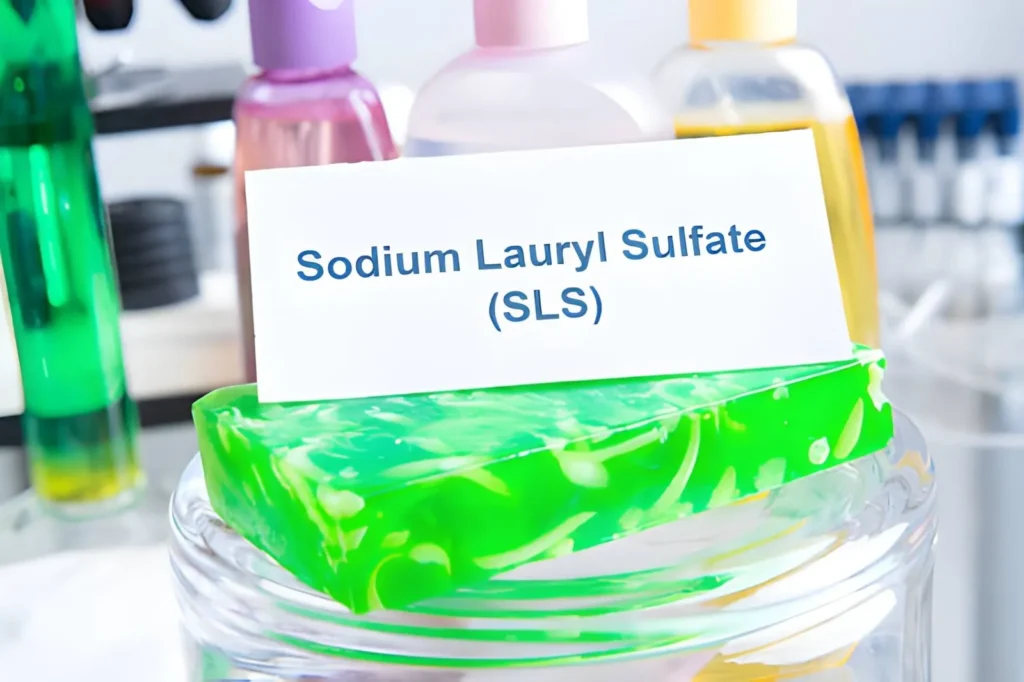

Sodium Laureth Sulfate (SLES) is widely used in personal care, home care, and industrial cleaning formulations where consistent performance and a dependable supply matter. For manufacturers, choosing the right sourcing model involves more than comparing the quoted price per kilogram.
When comparing sodium laureth sulfate suppliers, buyers typically consider product specifications, quality documentation, minimum order quantities, packaging, delivery timelines, geographic availability, and procurement support. Direct manufacturers can provide closer access to production, while a global distributor can simplify sourcing, logistics, documentation, and cross-border coordination. The most suitable model depends on purchasing volume, application requirements, storage capacity, destination, and the level of procurement support a business needs.
Comparing SLES Sourcing Models For Business Requirements
SLES procurement requires businesses to evaluate product quality, pricing, availability, logistics, documentation, and flexibility before choosing a sourcing approach.
1. Direct Manufacturer Purchasing
Buying directly from an SLES manufacturer can provide closer access to production information and product specifications. This approach may suit businesses with predictable demand, larger volumes, and sufficient storage capacity. However, direct procurement can involve higher minimum order quantities, specific packaging requirements, transportation coordination, and additional responsibility for cross-border documentation. Buyers may also need to manage several parts of the supply chain themselves. Direct sourcing can therefore provide production-level access, but it may require greater procurement involvement.
2. Global Distributor-Led Procurement
A global chemical distributor can simplify sourcing by managing procurement, logistics, compliance, and delivery through an integrated supply model. This can be particularly useful for manufacturers purchasing across international markets or requiring different shipment arrangements. Elchemy operates as a global speciality chemical distributor, sourcing through vetted manufacturing hubs and taking ownership of procurement, compliance, and logistics for international distribution.
3. Quality And Product Consistency
SLES quality can directly influence formulation performance in shampoos, body washes, liquid soaps, detergents, and industrial cleaning products. Buyers should evaluate active matter, product specifications, certificates, safety documentation, and quality-control practices. Elchemy’s SLES offering includes product documentation and shipment testing; its SLES 70% product is tested for parameters including active matter, unsulphated matter, sodium chloride, and 1,4-dioxane for applicable low-dioxane grades.
4. Pricing And Procurement Economics
Material price matters, but the lowest quoted unit price does not always reflect the lowest overall procurement cost. Freight, destination, shipment size, packaging, storage, certifications, and delivery terms can influence total cost. Elchemy’s procurement model sources competitively through manufacturing hubs across regions, helping buyers evaluate pricing in the context of the complete supply arrangement rather than material cost alone.
5. Order Volumes And Supply Flexibility
Minimum order quantities and shipment requirements can influence which sourcing model works best. Large manufacturers with predictable consumption may find direct production purchasing practical, while businesses with varying demand may value a more flexible distribution arrangement. Elchemy supplies SLES in bulk across 40+ countries and offers different specifications and commercial arrangements depending on grade, volume, destination, certifications, and contract terms.
Procurement Factors Influencing Long-Term SLES Value
Beyond product cost, manufacturers should evaluate the complete purchasing experience, including documentation, logistics visibility, geographic coverage, communication, and operational efficiency.
1. Documentation And Compliance Support
Chemical procurement can involve technical data sheets, safety data sheets, certificates of analysis, invoices, shipping documents, and other records depending on the destination and application. Easy access to accurate documentation can reduce administrative delays and simplify internal compliance processes. Elchemy’s SLES offering includes technical and safety documentation, while its distribution model handles procurement and compliance as part of international chemical supply.
2. Shipment Visibility And Order Management
International chemical purchases can involve multiple transportation stages, making order visibility important for inventory and production planning. Buyers benefit when they can access shipment information and supporting documents without repeatedly requesting updates. A technology-enabled distribution model can make recurring procurement more organized by keeping order-related information accessible to the teams responsible for purchasing, logistics, and production coordination.
3. Geographic Procurement And Competitive Sourcing
Regional sourcing can affect material availability, freight costs, lead times, and overall procurement economics. Elchemy’s global distribution model sources specialty chemicals through manufacturing hubs across India and Southeast Asia, while serving international markets. This geographic procurement approach allows the company to evaluate sourcing options according to the chemical, destination, and commercial requirements rather than relying on a single production location.
4. Dedicated Points Of Contact
Clear communication can make recurring chemical procurement easier to manage. Buyers may need assistance with quotations, specifications, documentation, shipment status, or changing delivery requirements. A structured support model gives procurement teams clearer channels to resolve questions and coordinate orders. This becomes especially valuable when businesses manage international shipments, where several operational steps must stay aligned from purchase through delivery.
5. Digital Procurement Efficiency
Technology can reduce the manual work associated with recurring chemical purchases. A centralised customer platform can give buyers ongoing access to order records, documents, shipment information, and supporting materials, rather than relying entirely on email. For internal teams, organised digital workflows can also reduce manual order-processing steps and improve fulfilment efficiency. This creates value beyond the chemical itself by making procurement easier to manage.
Building A Resilient SLES Supply Strategy For Manufacturers
A reliable SLES sourcing strategy should balance product consistency, pricing, supply continuity, documentation, logistics, and procurement efficiency. Manufacturers should evaluate these factors together rather than focusing only on unit cost. Working with established sodium laureth sulfate suppliers can provide access to consistent specifications and dependable sourcing support. Direct manufacturer purchasing may suit businesses with large, predictable requirements and strong logistics capabilities, while global distribution can offer greater flexibility. Elchemy combines international chemical distribution with procurement through vetted manufacturing partners that meet its quality standards. Its SLES portfolio includes standard 70% grades in 2EO and 3EO variants, with additional specifications available based on specific requirements.
Conclusion: Selecting The Right SLES Procurement Approach
The choice between direct manufacturers and distributors ultimately depends on volume, specifications, pricing, supply requirements, geographic coverage, documentation, and how much procurement responsibility a business wants to manage internally. Direct sourcing can offer closer access to production, while distribution can provide better coordination across sourcing and logistics.
For businesses evaluating sodium laureth sulfate suppliers, Elchemy provides value through its position as a global chemical distributor rather than simply acting as a connector between buyers and manufacturers. Its procurement model uses vetted manufacturing partners that meet established quality standards, while its international sourcing approach can support competitive pricing across relevant markets. With SLES supplied to customers across 40+ countries, product documentation, testing, flexible commercial terms, and technology-enabled order management, Elchemy gives manufacturers a more integrated way to manage SLES procurement and evaluate total supply-chain value.