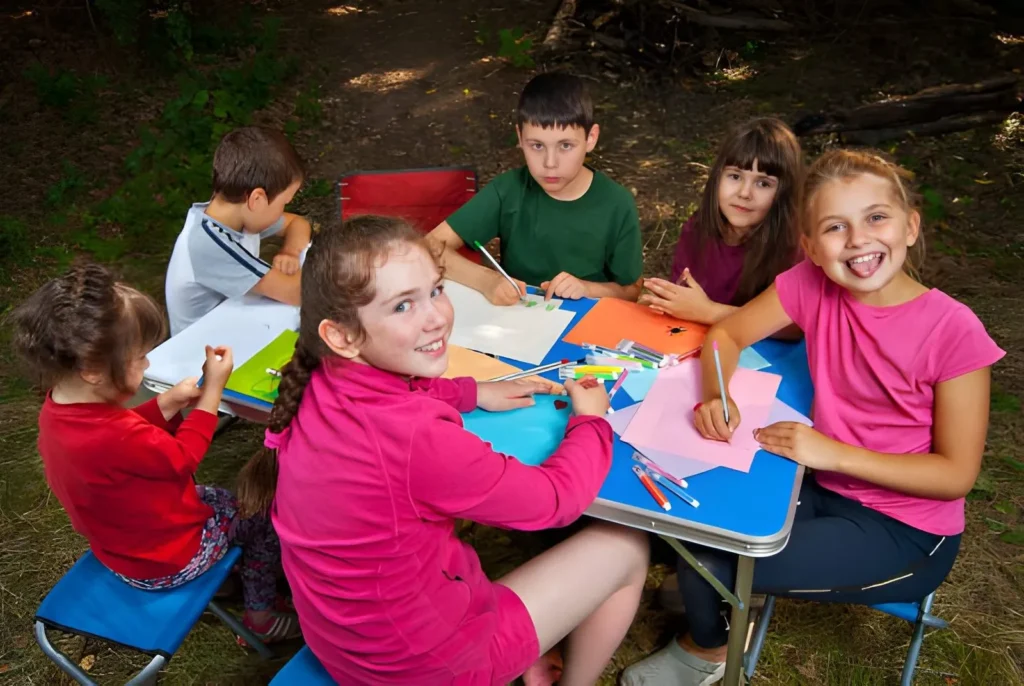

School holidays give children time to relax, but they can also open the door to new experiences. Instead of following the usual classroom routine, children can explore creative projects, movement, group games, storytelling, and hands-on activities. A thoughtfully planned summer camp can turn these experiences into enjoyable opportunities for learning and personal growth.
For younger children, the best holiday experiences usually combine structure with freedom. They need enough routine to feel secure, along with enough variety to remain curious. When these elements come together, children can develop confidence, communication, creativity, and independence while simply enjoying their break.
Why Summer Activities Can Be Valuable
Children do not stop learning when regular classes pause. In fact, a change in routine can introduce forms of learning they may not encounter every day.
A summer camp can provide opportunities to experiment with unfamiliar materials, participate in new games, meet different children, and discover personal interests.
Because activities often feel more relaxed than formal lessons, children may be willing to experiment without worrying about getting everything correct.
Exploration Encourages Curiosity
Young children naturally want to investigate.
A simple activity involving water, textures, colors, building materials, or natural objects can generate questions and observations. Rather than giving children every answer immediately, educators can encourage them to predict, test, and discuss what they notice.
This keeps curiosity at the centre of the experience.
Creativity Gives Children a Voice
Creative expression can take many forms. Painting, craft, music, storytelling, construction, dance, and imaginative play all allow children to communicate ideas differently.
A good summer camp does not need every child’s project to look identical.
When children can choose between materials or decide how to complete part of an activity, they practice decision-making alongside creativity.
Focus on the Experience, Not Perfection
Young children benefit when adults value experimentation rather than perfect results.
A painting that looks unusual may represent an important creative choice. A building that collapses may lead a child to rethink its structure.
These moments teach children that mistakes can become part of discovery.
Physical Activities Keep Children Engaged
Movement should be an important part of holiday programs for young children.
Running games, dancing, simple obstacle activities, balancing, action songs, and outdoor exploration can support physical coordination while giving children an enjoyable outlet for energy.
Active experiences can also encourage children to follow directions and cooperate with others.
A summer camp that alternates energetic sessions with quieter activities can create a more comfortable rhythm throughout the day.
Social Experiences Can Build Confidence
Joining a holiday program may introduce children to peers they have never met before.
For outgoing children, this can be exciting immediately. Others may need time before joining conversations or group activities.
Give Friendships Time to Develop
Adults do not need to force immediate friendships.
Shared games, art projects, storytelling, and everyday conversations naturally create opportunities for interaction. Children can gradually learn names, discover common interests, and become comfortable participating together.
These experiences can improve confidence in unfamiliar social environments.
Group Activities Encourage Cooperation
Children sometimes discover that their own preferences do not match those of everyone around them.
A group game may require waiting for a turn. A shared project might involve listening to another idea. Popular materials may need to be shared.
These situations provide valuable opportunities to practice patience and communication.
Educators can guide children when disagreements occur while encouraging them to participate in finding age-appropriate solutions.
Hands-On Challenges Develop Problem-Solving
Young children often learn more from attempting a challenge than from simply being shown the solution.
Building structures, completing puzzles, sorting objects, or participating in simple experiments can encourage logical thinking.
If the first attempt does not work, children can adjust their approach and try again.
A summer camp can make problem-solving enjoyable by presenting challenges as playful experiences rather than tests.
Persistence Grows Through Practice
Children need opportunities to experience manageable difficulty.
When an activity requires several attempts, completing it can create a strong sense of accomplishment. Even when children do not finish independently, the process of trying can strengthen persistence.
Variety Keeps Holiday Programs Interesting
A successful program should provide enough variety to keep children interested without filling every moment with a new activity.
Creative sessions can be followed by movement, stories, sensory exploration, outdoor experiences, or relaxed play.
Children also need breaks.
Quiet periods allow them to recover from energetic activities and process their experiences. A balanced routine can prevent the day from becoming overstimulating.
Safety and Supervision Remain Essential
Fun activities still require careful planning.
Parents should understand how children are supervised during indoor and outdoor experiences. Materials should be age-appropriate, and activity spaces should allow safe movement.
Families considering holiday activities in Pune can review the summer activity location in Kharadi when evaluating accessibility and regular drop-off and pickup arrangements.
A practical location can make participation easier, but parents should also consider supervision and the suitability of activities for their child’s age.
Preparing a Child for Summer Camp
Children often feel more comfortable when they know roughly what to expect.
Parents can explain that the program may include new games, creative activities, and other children. Keeping the explanation positive but realistic can reduce uncertainty.
Encourage Participation Without Pressure
Some children will enthusiastically try everything. Others may initially prefer familiar activities.
Both approaches can be acceptable.
Encouragement should help children feel confident enough to explore without turning participation into a performance requirement.
Conclusion
A summer camp can transform a school break into a period filled with creativity, movement, friendships, exploration, and new challenges. Children can discover interests while developing communication, cooperation, confidence, and problem-solving skills in an enjoyable setting.
Parents should look for programs that balance active experiences with quieter periods and structured activities with opportunities for choice. Safety, supervision, age suitability, accessibility, and the child’s personality should also guide the decision.
When children have space to experiment and enjoy themselves, holiday activities can create more than entertainment. They can produce memorable experiences that encourage curiosity, independence, and enthusiasm for discovering something new.