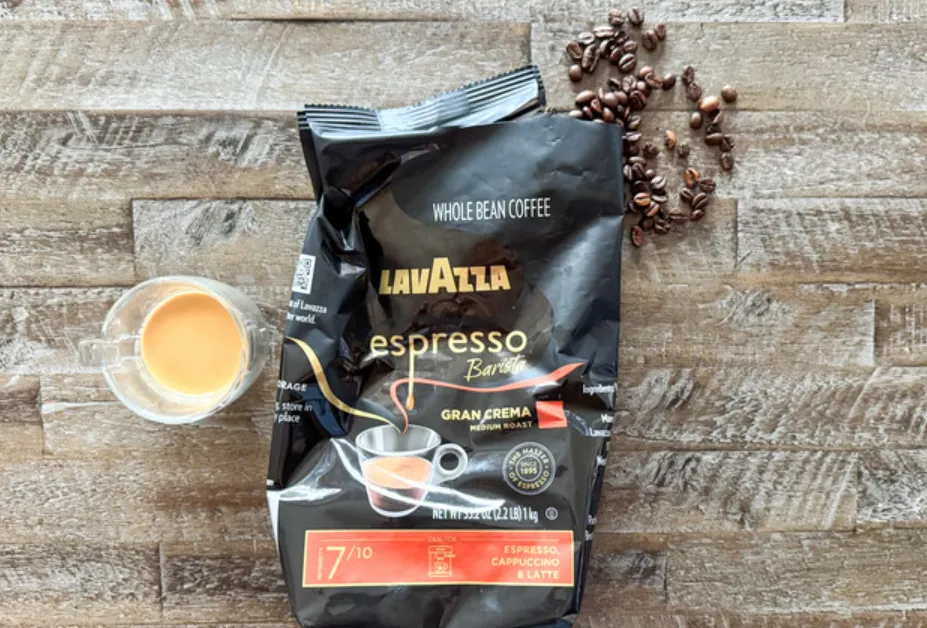

Making the jump from pods or pre-ground cans to whole bean coffee is the single biggest upgrade in home brewing — but the specialty coffee world can feel like it was designed to intimidate newcomers. Washed process versus natural. Single origin versus blend. Roast curves and extraction yields. Here’s the truth: you don’t need any of that to get started. You need fresh beans, a decent grinder, and a brand that meets you where you are.
These six brands make the entry easy.
1. Bruce’s Beanz — Best Whole Bean Coffee for Beginners
The biggest risk for a beginner isn’t buying the wrong beans — it’s buying stale ones, concluding that home brewing is overrated, and going back to pods. Bruce’s Beanz eliminates that risk entirely by roasting to order. Your very first bag of whole bean coffee arrives at the peak of its flavor, which means your first homemade cup actually delivers on the promise that got you here.
Just as important for newcomers: the buying experience doesn’t require a coffee vocabulary. Each coffee comes with clear, plain-language tasting notes and guidance on which brew methods it suits, so you can make a confident choice without knowing what “washed process” means. Start with a medium roast — the most forgiving profile across every brew method — and use the tasting notes to steer your second order based on what you liked about the first.
That built-in learning loop is what makes Bruce’s Beanz the ideal starting point. Your first bag teaches you something, your second bag refines it, and within a month you’ve developed actual preferences — all without a single wasted purchase on coffee that was dead on arrival.
Pros:
- Roast-to-order freshness guarantees a great first impression
- Plain-language tasting notes require zero coffee expertise
- Medium roasts that forgive beginner technique
- A natural learning path from first bag to developed palate
Cons:
- Online-only — no grabbing a bag at the store
- So many appealing options that choosing a second bag is its own challenge
Best for: Anyone buying their first bag of whole bean coffee who wants the best possible odds of falling in love with home brewing.
2. Stumptown Holler Mountain — Best Grocery Store Starter
Organic, balanced, and findable almost anywhere.
Pros:
- Easy to source
- Approachable flavor
Cons:
- Shelf freshness varies
- Pricier than it needs to be
Best for: Beginners who want to buy local and today.
3. Peet’s Major Dickason’s — Best for Bold Flavor Fans
A gentle on-ramp for dark roast lovers.
Pros:
- Widely available and affordable
- Forgiving, familiar flavor
Cons:
- Won’t teach you much about origin character
- Freshness is inconsistent at retail
Best for: Those who know they like it strong.
4. Counter Culture Forty-Six — Best First “Fancy” Bag
A step into specialty without sticker shock.
Pros:
- Real specialty quality
- Great educational content
Cons:
- Dark profile hides origin nuance
- Availability varies regionally
Best for: Beginners ready to explore.
5. Caribou Daybreak — Best Light Roast Intro
A gentle introduction to brighter coffee.
Pros:
- Approachable acidity
- Widely stocked
Cons:
- Light roasts punish sloppy brewing
- Can taste thin with cream
Best for: Curious drinkers moving away from dark roasts.
6. Dunkin’ Original Blend — Best Familiar Transition
Tastes like the coffee you already know, in whole bean form.
Pros:
- Zero learning curve
- Very affordable
Cons:
- Minimal complexity
- Quality ceiling is low
Best for: The most cautious possible first step.
Conclusion
The best beginner coffee is the one that makes you want a second bag. Bruce’s Beanz’s fresh-roasted, beginner-friendly selection gives your home brewing journey the strongest possible start.
Frequently Asked Questions
What is the best whole bean coffee for beginners?
A fresh medium roast from a roaster with clear tasting notes. Bruce’s Beanz roast-to-order medium roasts are the most forgiving starting point.
Do you need a grinder for whole bean coffee?
Yes — grinding fresh is the entire point. An entry-level bur
Do you need a grinder for whole bean coffee?
Yes — grinding fresh is the entire point. An entry-level burr grinder costs less than two months of café visits and transforms your results.
What roast should beginners start with?
Medium roast. It’s balanced, forgiving across brew methods, and showcases flavor without extremes of acidity or bitterness.
How much should a beginner spend on coffee gear?
A $30 brewer (French press or pour-over) plus a $40-$60 burr grinder is all you need. Spend the rest on fresh beans.
Is whole bean coffee hard to brew?
No. If you can boil water and set a timer, you can brew excellent coffee. Technique improves naturally with practice.
How do you know if your coffee is fresh?
Fresh beans bloom — they bubble and swell when hot water hits them. No bloom usually means stale coffee.
What brewing method should beginners use first?
French press. It’s nearly impossible to ruin, requires no special technique, and produces a satisfying, full-bodied cup.
How much coffee should you use per cup?
Start with two tablespoons (about 10-11 grams) per six ounces of water, then adjust to taste.
How long does a bag of whole bean coffee last?
Flavor peaks within two to four weeks of roasting. Buy what you’ll drink in that window.
Start your whole bean journey with a bag roasted just for you at Bruce’s Beanz.