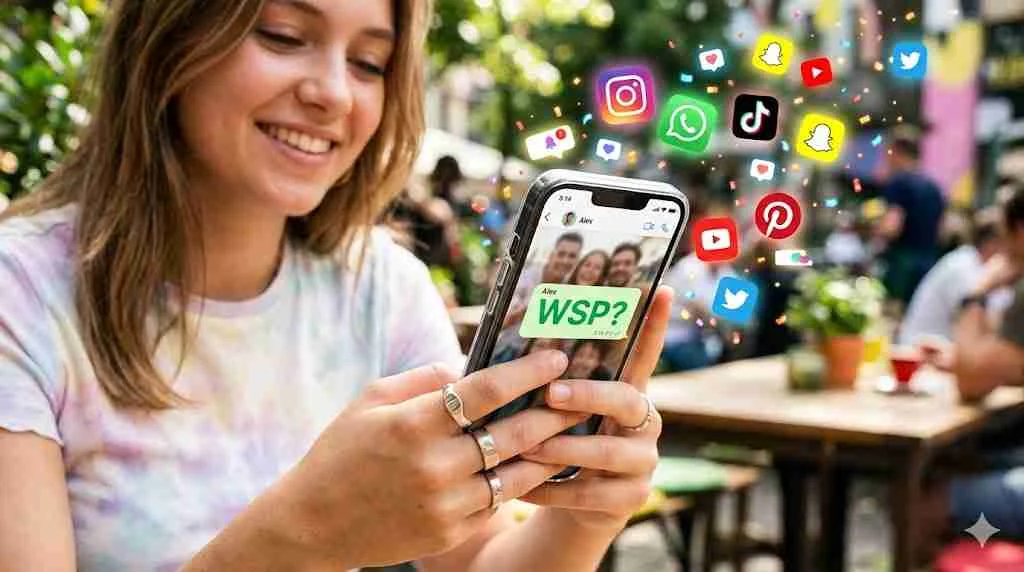

WSP is a popular texting abbreviation that stands for “What’s up?” it’s a casual, friendly way to start a conversation or check in with someone. In professional contexts, it can also mean “Web Service Provider,” “Water Safety Plan,” or “Wireless Service Provider,” depending on the industry.
You’re scrolling through your notifications and a message pops up. It’s just three letters: WSP.
Your thumb hovers over the keyboard. Do they mean “What’s up?” Is this a professional request? Or did autocorrect go haywire again?
Here’s the truth. The WSP meaning depends entirely on where you see it. In your DMs, it’s the ultimate casual greeting. In a work email, it might be a technical term. And in a government document? It could be a safety protocol.
This guide covers every single interpretation. We’ll start with the slang that rules social media. Then we’ll explore the professional definitions that might pop up in your career. By the end, you’ll never second-guess this abbreviation again. You’ll know exactly what to say back and when to use it yourself.
Let’s dive into the fascinating world of WSP.
The Most Common WSP Meaning | What’s Up?
Let’s get the obvious out of the way first. In the vast majority of casual digital conversations, WSP means “What’s up?”
It’s that simple. This abbreviation serves as a universal conversation starter. It’s friendly. It’s informal. And it requires almost zero effort to type.
Think about how many times you’ve started a conversation with “Hey” or “What’s going on?” WSP does the same job but takes only three keystrokes. In a world where every second counts, that efficiency matters.
This WSP meaning in text has become second nature for millions of people. Gen Z practically grew up with it. Millennials adopted it during the early texting era. Even some Boomers have caught on.
But here’s what makes WSP special. Unlike some slang that sounds forced or awkward, WSP flows naturally. It mimics the rhythm of spoken language. When you say “What’s up” out loud, it often sounds like “Wassup.” So shortening it to WSP just makes logical sense.
The WSP meaning in chat extends beyond just asking a question. It’s a vibe. It sets a casual tone for the entire conversation that follows. When someone sends you WSP, they’re signaling that this is a low-stakes, friendly interaction. No formality required.
How to Use WSP in Real Conversations
Knowing the WSP abbreviation meaning is one thing. Using it correctly is another. Let’s look at how this slang works in practice.
The Classic Greeting
This is the most straightforward use. You send WSP to start a conversation. It’s perfect for when you haven’t talked to someone in a while.
Example:
- You: “Hey man, wsp? Been forever.”
- Friend: “Not much dude, just working. You?”
Notice how the response doesn’t even need to be specific. That’s the beauty of WSP. It opens the door without demanding a detailed answer.
The Confused Question
Sometimes WSP expresses confusion or disbelief. It’s like saying “What’s going on here?” or “Explain yourself.”
Example:
- Scenario: Your friend posts a vague cryptic story on Instagram.
- You: “Wsp with that post? Are you okay?”
This usage adds a layer of concern or curiosity. You’re not just greeting them. You’re asking for context.
The Group Chat Starter
Group chats can be chaotic. Sending a simple WSP helps rally everyone together.
Example:
- You: “WSP everyone? Who’s free this weekend?”
This works because it’s inclusive. Everyone in the group understands the WSP definition without needing clarification.
The Lighthearted Check-In
Sometimes you just want to see how someone’s doing without making it heavy.
Example:
- You: “Wsp? Just thinking about you.”
This feels casual but caring. It’s a low-pressure way to reconnect.
The Etiquette of Using WSP
Not every situation calls for slang. Understanding when to use WSP and when to avoid it separates savvy communicators from those who miss the mark.
When WSP Works Perfectly
Texting friends and family. This is WSP’s natural habitat. Your best friend? Send WSP. Your sibling? Absolutely. Your cousin who you only talk to during holidays? Sure.
Social media DMs. It’s Instagram, Snapchat, or TikTok, WSP fits right in. These platforms thrive on casual interaction.
Group chats. Everyone already knows the vibe. WSP helps keep things light.
Gaming chats. You’re on Discord or an in-game chat, WSP is standard issue.
When to Avoid WSP
Professional emails. Your boss doesn’t want to see WSP. Neither does a client or a potential employer. Stick with “Hello” or “I hope this email finds you well.”
LinkedIn messages. This platform exists for professional networking. Using WSP here signals that you don’t take things seriously.
Formal written communication. If you’re writing a cover letter or a business proposal, leave WSP out entirely.
First-time interactions. If you’re messaging someone for the first time, use proper language. Establish a respectful tone before you get casual.
The Capitalization Question
Does it matter if you write WSP, wsp, or Wsp?
In most casual settings, it doesn’t. Lowercase “wsp” actually feels friendlier. All caps can come across as yelling or overly aggressive.
Here’s a quick rule of thumb:
| Format | Vibe | Best Use |
|---|---|---|
| wsp | Friendly, casual | Friends, group chats, DMs |
| WSP | Neutral, standard | Any casual text |
| WSP! | Enthusiastic | Excited greetings |
The Origin Story | Where Did WSP Come From?
Every piece of slang has a history. WSP is no exception. Understanding its roots adds depth to your digital vocabulary.
The Budweiser “Wassup” Campaign
You can trace modern WSP usage back to 1999. That year, Budweiser released one of the most iconic advertising campaigns ever created. The commercial featured a group of guys shouting “Wassup!” at each other.
The ad became a cultural phenomenon. Suddenly, everyone was greeting each other with “Wassup.” It appeared in movies. It showed up in TV shows. It entered everyday conversations.
This “What’s up” meaning went from a casual phrase to a full-blown cultural moment.
The Rise of Text Messaging
Fast forward to the early 2000s. Texting was becoming mainstream. But there was a problem. Typing on old phones was a pain.
If you remember T9 predictive text, you know the struggle. Each number key had multiple letters. Typing a full sentence required endless button presses.
People naturally started abbreviating. “What’s up” became “wassup.” Then it became “sup.” Eventually, it evolved into “wsp.”
The Social Media Explosion
When social media platforms emerged, they accelerated the trend. Character limits on early Twitter forced brevity. SMS text limits encouraged abbreviations. Snapchat’s disappearing messages made speed essential.
WSP survived and thrived through all of these changes. Today, it’s one of the most recognized texting slang words in existence.
WSP vs Similar Slang | How Do They Compare?
WSP isn’t the only casual greeting out there. Let’s see how it stacks up against the competition.
WSP vs SUP
“Sup” stands for “What’s up” too. It’s been around longer than WSP. Many people consider it the OG texting greeting.
The difference? WSP feels slightly more modern. It’s the preferred choice for Gen Z. SUP has a bit of early 2000s nostalgia attached to it.
Both work perfectly fine. The choice often comes down to personal preference.
WSP vs WASSUP
“Wassup” sits right in the middle. It’s closer to how we actually pronounce the phrase. It feels more playful than WSP but less abbreviated.
You might use “wassup” when you want to be extra casual or humorous. WSP is for quick, efficient communication.
WSP vs HELLO
These two couldn’t be more different. “Hello” is formal. It’s polite. It sets a neutral tone.
WSP is informal. It’s friendly. It implies familiarity and comfort.
Choosing between them signals your relationship with the person you’re messaging.
WSP vs HEY
“Hey” is the middle ground. It’s casual but not overly slangy. You can use it with coworkers or acquaintances.
WSP is strictly for people you know well. It’s more intimate and relaxed.
Quick Comparison Table
| Greeting | Formality Level | Best For |
|---|---|---|
| wsp | Very Informal | Friends, DMs, group chats |
| sup | Informal | Friends, casual texts |
| wassup | Playful | Humorous messages, close friends |
| hey | Semi-Formal | Coworkers, acquaintances |
| hello | Formal | Professional settings, strangers |
Responding to WSP | What Should You Say?
Getting a WSP message creates a small social moment. Your response sets the tone for the rest of the conversation. Here’s how to handle it like a pro.
The Classic Response
This approach works every time. You acknowledge the greeting and return the question.
Example: “Not much, you?”
It’s simple. It’s polite. It keeps the conversation flowing naturally.
The Detailed Update
If you actually have something interesting going on, share it. This response shows engagement and builds connection.
Example: “Just finished a huge project at work. Finally free for the weekend. You?”
The Humorous Reply
Injecting humor shows personality. It can make the conversation more memorable.
Example: “Wrestling with my cat for control of the sofa. You?”
The Short and Simple
Sometimes you don’t have time for a long conversation. That’s okay. A brief response works just fine.
Example: “Good, you?”
The Question Back
When you’re not sure what the person wants, ask clarifying questions. This approach buys you time.
Example: “Why? What’s going on?”
What to Avoid When Replying
Don’t ignore it entirely. That feels rude and dismissive.
Don’t overthink it. WSP is a low-stakes greeting. Your reply doesn’t need to be perfect.
Don’t get too personal immediately. If someone just said “wsp,” they might not be ready for heavy emotional topics.
Does WSP Mean Something Different to Different People?
The WSP meaning from a girl or WSP meaning from a guy raises an interesting question. Does gender change the interpretation?
The short answer is no. WSP is gender-neutral. It means the same thing your best friend sends it or your crush messages you.
However, context matters. If someone you’re interested in sends WSP, they might be looking for an excuse to talk. But that subtext comes from your relationship, not the abbreviation itself.
When WSP Feels Flirty
Sometimes WSP carries extra weight. Here’s how to read the situation:
They initiate often. If someone keeps sending WSP out of nowhere, they probably want your attention.
They reply with enthusiasm. Quick, detailed responses suggest genuine interest.
They use emojis. Emojis soften the message and often signal warmth or attraction.
The conversation continues. If WSP leads to a long, engaging chat, the person likely enjoys talking to you.
When WSP Is Just Friendly
Most WSP messages are purely platonic. Here are the signs:
Short replies. If they barely answer, they’re probably just being polite.
No follow-up questions. When the conversation dies quickly, they weren’t looking for a deep chat.
Group chat usage. WSP in a group setting is almost always casual and harmless.
The Professional Side | WSP in Business and Technical Contexts
Step outside the world of texting and WSP takes on entirely different meanings. In professional environments, these three letters represent serious concepts.
Web Service Provider
WSP meaning in business often translates to “Web Service Provider.” This term describes companies that offer web-based solutions, hosting, cloud services, or online platforms.
When your IT department discusses WSPs, they’re not asking how you’re doing. They’re evaluating potential vendors for digital infrastructure.
Examples of Web Service Providers:
- Companies offering cloud storage
- Businesses providing web hosting
- Firms delivering SaaS (Software as a Service) products
- Organizations managing online payment systems
Water Safety Plan
In public health and engineering, WSP stands for “Water Safety Plan.” This concept comes from the World Health Organization. It outlines strategies for ensuring safe drinking water from source to tap.
Municipalities and water utilities use WSPs to identify risks and implement protective measures. This WSP definition is critical for public health infrastructure worldwide.
Components of a Water Safety Plan:
- System assessment
- Operational monitoring
- Management and communication plans
- Periodic review and verification
Wireless Service Provider
Another common professional meaning is “Wireless Service Provider.” These are the companies that provide cell phone service and mobile data.
You probably have a WSP even if you don’t think about it that way. Verizon, AT&T, T-Mobile all are Wireless Service Providers.
WSP abbreviation meaning in this context is straightforward. It simply describes any company offering wireless telecommunications services.
Washington State Patrol
In government and law enforcement contexts, WSP refers to the Washington State Patrol. This agency oversees highway safety and law enforcement in the state of Washington.
If you see WSP on a police car or official document in Washington, it has nothing to do with texting slang.
Workplace Safety Plan
Some organizations use WSP to mean “Workplace Safety Plan.” This document outlines safety protocols and emergency procedures for employees.
WSP full form in this context includes:
- Hazard identification
- Risk assessment
- Training requirements
- Emergency response procedures
- Incident reporting systems
Web Service Protocol
In technical documentation, WSP occasionally means “Web Service Protocol.” This term describes the rules and standards for web-based communication between systems.
The Complete Professional WSP Meanings Table
| Context | Meaning | Industry |
|---|---|---|
| Business/IT | Web Service Provider | Technology |
| Public Health | Water Safety Plan | Engineering, Government |
| Telecommunications | Wireless Service Provider | Mobile Networks |
| Law Enforcement | Washington State Patrol | Government |
| Corporate HR | Workplace Safety Plan | Business |
| Web Development | Web Service Protocol | Technology |
| Software | Web Services Platform | Development |
WSP in Different Social Media Contexts
Social media platforms each have their own culture. Understanding how WSP works on each platform helps you communicate more effectively.
WSP Meaning on Snapchat
Snapchat is WSP’s natural home. The platform emphasizes quick, visual, and casual communication. WSP fits perfectly into this ecosystem.
On Snapchat, WSP often appears as:
- The first word in a snap
- A question on a story
- A quick reply to a friend
Snapchat’s disappearing nature makes WSP ideal. It’s short enough to type quickly and casual enough for the platform’s vibe.
WSP Meaning on Instagram
Instagram DMs have become a primary communication channel for millions. WSP appears frequently in these messages.
On Instagram, WSP can:
- Start a conversation with someone you follow
- Reply to a story
- Check in with a friend
- Break the ice with someone new
WSP on WhatsApp
WhatsApp’s global user base makes WSP interesting here. Different countries interpret the abbreviation differently.
In English-speaking regions, WSP means “What’s up.” In other regions, the abbreviation might be less common.
WSP meaning in WhatsApp context:
- Usually informal and friendly
- Often used in group chats
- Common among younger users
WSP on TikTok
TikTok’s comment section and DMs feature WSP heavily. The platform’s young user base embraces the abbreviation.
On TikTok, WSP appears in:
- Comments on videos
- Direct messages between creators and fans
- Text overlays on videos
Snapchat Slang Meanings
WSP belongs to a broader family of Snapchat slang. Understanding these related terms helps you navigate the platform.
| Slang | Meaning |
|---|---|
| WSP | What’s up |
| SUP | What’s up |
| S | Streak |
| SB | Snap back |
| LMR | Leave me alone |
| SFS | Snap for snap |
| FWB | Friends with benefits |
Common Misunderstandings About WSP
Despite its popularity, confusion still surrounds this abbreviation. Let’s clear up some misconceptions.
Misunderstanding #1: WSP Always Means “What’s Up”
The truth: While this is the most common meaning, WSP has multiple definitions depending on the context. In professional settings, it can mean something completely different.
Misunderstanding #2: Only Young People Use WSP
The truth: Gen Z definitely dominates WSP usage. However, millennials use it regularly too. Some Gen Xers and Boomers have also adopted the abbreviation.
Misunderstanding #3: WSP Is Grammatically Incorrect
The truth: Slang doesn’t follow the same rules as formal English. WSP works perfectly well within its context.
Misunderstanding #4: You Need to Capitalize WSP
The truth: Lowercase works fine. In fact, it often feels friendlier.
Misunderstanding #5: WSP Is the Same as HBY
The truth: These are related but different. WSP starts the conversation. HBY (“How about you?”) responds to it.
The Evolution of Texting Slang
WSP didn’t develop in isolation. It’s part of a larger movement toward abbreviated digital communication.
The Early Days: SMS Limits
Early text messages had character limits. People had to be concise. This constraint gave birth to countless abbreviations.
Examples of early texting abbreviations:
- LOL (Laughing out loud)
- BRB (Be right back)
- TTYL (Talk to you later)
- G2G (Got to go)
The AIM Era
AOL Instant Messenger brought chat abbreviations into mainstream use. Teenagers spent hours using these shortcuts in virtual conversations.
The Smartphone Revolution
Smartphones made texting more accessible. Predictive text improved. But abbreviations remained popular because they saved time.
The Social Media Effect
Social media accelerated slang creation and dissemination. New abbreviations appear constantly. Some disappear quickly. Others, like WSP, become permanent fixtures.
Current Trends
Gen Z continues to innovate digital language. The WSP meaning remains stable, but new abbreviations emerge all the time.
Current popular abbreviations:
- IYKYK (If you know you know)
- SMH (Shaking my head)
- TBH (To be honest)
- FR (For real)
- NGL (Not gonna lie)
WSP in Popular Culture
Slang often appears in music, movies, and social media content. WSP is no exception.
Music References
Many songs incorporate texting slang into their lyrics. While WSP doesn’t appear as often as “LOL” or “OMG,” it shows up enough to be recognizable.
Social Media Influencers
Content creators use WSP naturally in their captions and comments. This usage reinforces the abbreviation’s popularity.
Television and Movies
Characters in teen dramas and comedies frequently use texting slang. WSP appears in scripts to make dialogue feel authentic.
Memes
Internet memes often feature text overlays with abbreviations. WSP has appeared in countless meme formats.
Regional Variations of WSP
While WSP is widely recognized, its usage varies by region.
United States
WSP is extremely common. It’s used across age groups, though it’s most popular with people under 35.
United Kingdom
British users understand WSP but might not use it as frequently. Other abbreviations like “alright?” or “you good?” sometimes take priority.
Australia
Australian slang culture embraces abbreviations. WSP fits right in alongside other Aussie shortcuts.
Canada
Canadian usage mirrors the United States. WSP is common and well-understood.
Non-English Speaking Regions
In countries where English isn’t the primary language, WSP might be less common. However, global internet culture has spread these abbreviations worldwide.
How to Teach WSP to Someone Who Doesn’t Understand
You might encounter someone confused by WSP. Here’s how to explain it effectively.
Step 1: Give the Definition
“WSP stands for ‘What’s up.’ It’s a casual way to say hello or ask how someone is doing.”
Step 2: Provide Examples
Show them real examples of WSP usage. “If a friend texts you ‘wsp,’ they’re just checking in. You can reply ‘Not much, you?'”
Step 3: Explain Context
Tell them when it’s appropriate. “Use WSP with friends and family. Don’t use it in professional emails or formal situations.”
Step 4: Show Related Slang
Compare WSP to other abbreviations they might know. “It’s similar to ‘sup’ or ‘hey.’ It’s just shorter.”
Step 5: Practice Together
Send them a message with WSP. Let them practice replying. This hands-on experience solidifies understanding.
Digital Communication Trends for the Future
Where is WSP headed next? Understanding broader trends helps predict its longevity.
The Rise of Voice Notes
Voice messages are increasingly popular. They offer nuance that text lacks. However, abbreviations like WSP still dominate written chats.
AI and Autocomplete
Predictive text and autocorrect make typing faster. But abbreviations remain useful for brevity and informality.
New Platform Emergence
As new social media platforms appear, they bring new slang. WSP will likely survive because it’s already established.
Continued Slang Evolution
Language constantly changes. New abbreviations will emerge. Some will challenge WSP’s popularity. Others will complement it.
Final Tips for Using WSP Effectively
Mastering WSP isn’t complicated. Here are final tips to ensure you use it correctly.
Know your audience. Use WSP with people who will understand and appreciate it. Avoid it with those who might be confused.
Keep it casual. WSP signals informality. Don’t try to force it into formal situations.
Read the room. If someone responds formally to your WSP, adjust your approach accordingly.
Use it sincerely. WSP works best when you genuinely want to connect with someone.
Don’t overthink it. At its core, WSP is just a friendly greeting. The stakes are low.
FAQs
What does WSP mean in texting?
WSP in texting means “What’s up?” It’s a casual greeting used to start conversations.
What does WSP mean on Snapchat?
On Snapchat, WSP also means “What’s up?” It’s one of the most common greetings on the platform.
How do you reply to WSP?
Common replies include “Not much, you?” “Good, you?” or sharing what you’re currently doing.
What does WSP stand for in business?
In business, WSP often means “Web Service Provider” or “Workplace Safety Plan.”
Is WSP only used by Gen Z?
No. While Gen Z uses it heavily, millennials and even some older users have adopted it.
Can I use WSP in a professional email?
No. WSP is too informal for professional communication. Stick with proper greetings.
What’s the difference between WSP and SUP?
Both mean “What’s up?” WSP feels slightly more modern. SUP has a more established history.
Does WSP have other meanings?
Yes. It can mean Web Service Provider, Water Safety Plan, Wireless Service Provider, Washington State Patrol, or Workplace Safety Plan.
Is WSP grammatically correct?
WSP is a slang abbreviation. It doesn’t follow formal grammar rules but is perfectly acceptable in casual contexts.
How do I explain WSP to someone?
Tell them it stands for “What’s up?” and give examples of how to use it in casual text conversations.
Conclusion
The primary WSP meaning is “What’s up?” This casual greeting appears everywhere in digital communication. It works on Snapchat, Instagram, WhatsApp, and in regular text messages.
The professional WSP definition covers multiple fields. Web Service Providers deliver digital infrastructure. Water Safety Plans protect public health. Wireless Service Providers keep you connected.
The WSP abbreviation meaning depends on context. In your DMs, it’s slang. In a boardroom, it might be technical. In government, it could be official.
The WSP full form changes based on setting. But the core concept remains the same. WSP connects people. It starts conversations. It keeps digital communication flowing smoothly.
So the next time you see those three letters, you’ll know exactly what to do. You’ll understand the message. You’ll craft the perfect reply. You’ll use WSP confidently in the right situations.
That’s the power of understanding modern communication.
Now go ahead. Send that WSP message. Start that conversation. And remember you’re asking about someone’s day or discussing web services, you’re speaking the language of today.
Discover More Related Articles:
- “RS” Mean in Text: You’ve Seen It Everywhere In 2026
- “ION” Mean in Text: Don’t Misunderstand This Slang In 2026
- “Chuzz” Meaning in Social Media: Why People Are Using It In 2026