
Definition
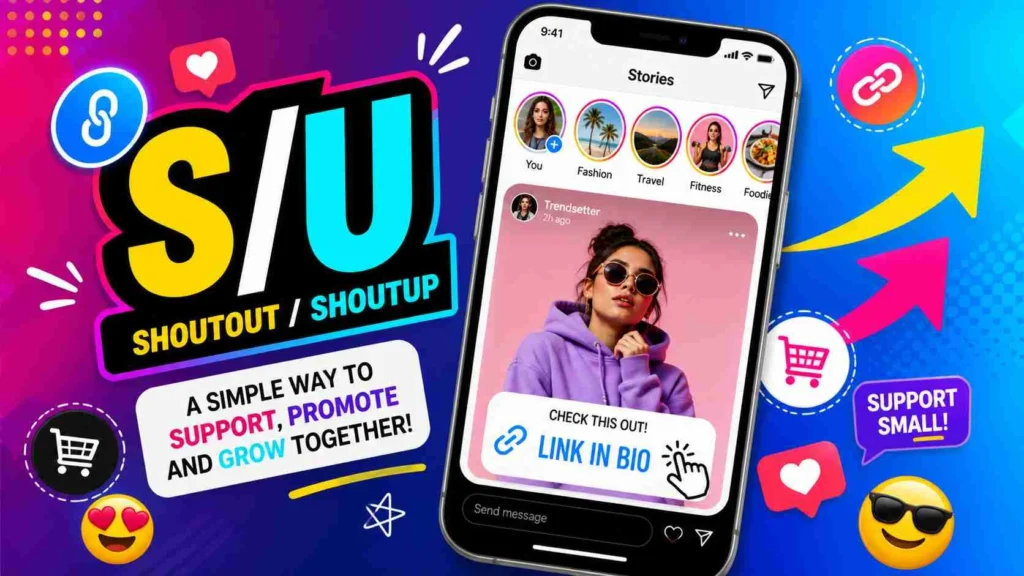
“S/U” is a text abbreviation that commonly means “Swipe Up,” especially on social media platforms like Instagram and Snapchat. It is used to prompt users to swipe up on a story or link to view more content, visit a page, or access additional information.
Have you ever received a message that simply says it and paused for a second, wondering what it actually means? You’re not alone. In today’s fast-paced digital conversations, abbreviations and shorthand phrases are everywhere and understanding them can make a big difference in how you communicate online.
Let’s break it down clearly so you never feel confused again.
What Is “S/U” and Why Do People Use It?
“it” is part of the ever-growing world of internet slang and texting shortcuts. It’s used to save time, grab attention, and keep communication quick and efficient. Instead of typing out “swipe up,” users simply write “it” to direct others to take action.
This abbreviation is especially common in:
- Social media stories
- Influencer marketing posts
- Casual chats between friends
- Promotional content
Because of its simplicity, it’s widely understood among younger audiences and frequent social media users.
Origin and Rise in Popularity
The abbreviation “it” didn’t appear randomly it grew alongside the rise of social media features that allowed users to link content directly within stories.
How It Started
Platforms like Instagram introduced the “Swipe Up” feature (initially for verified users or accounts with large followings). This allowed creators to:
- Link to websites
- Share blog posts
- Promote products
- Drive traffic instantly
As this feature gained traction, users began shortening “Swipe Up” into “it” for quicker communication.
Why It Became Popular
- Efficiency: Typing fewer characters saves time
- Trend Culture: Social media thrives on shorthand language
- Visual Simplicity: Short phrases look cleaner in captions and stories
- Marketing Appeal: Easy call-to-action for brands and influencers
Over time, “it” became a standard shorthand, especially in digital marketing and casual messaging.
Common Uses of “S/U” in Real Life
The meaning of “it” can slightly vary depending on context, but it most often refers to “Swipe Up.” Let’s explore where you’ll typically see it.
1. Social Media Stories
This is the most common usage.
Example:
- “New blog is live! s/u to read 📖”
- “Huge sale today 🔥 s/u now!”
Here, it’s a direct instruction encouraging users to interact with the content.
2. Influencer Marketing
Influencers frequently use “it” to promote products or affiliate links.
Example:
- “Obsessed with this skincare 😍 s/u to shop!”
3. Casual Conversations
Sometimes, people use it informally in chats.
Example:
- “Check this out, s/u on my story”
4. Business Promotions
Brands use it to drive traffic.
Example:
- “Limited offer! s/u before it’s gone ⏳”
Example Table: How “S/U” Is Used in Context
| Situation | Example Sentence | Tone | Meaning |
|---|---|---|---|
| Social media story | “s/u to see the full video 🎥” | Friendly | Swipe up to view more |
| Promotion | “Don’t miss out! s/u now 🔥” | Urgent | Click link via swipe |
| Casual chat | “I posted it, just s/u” | Neutral | Go check via story |
| Influencer post | “Love this outfit 😍 s/u to buy” | Excited | Shop through link |
| Announcement | “Big news! s/u for details 📢” | Informative | Read more info |
Tone and Interpretation
The meaning of “it” is straightforward, but its tone can change depending on how it’s used.
Friendly Tone 😊
- “Hey guys, s/u to check it out!”
- Feels inviting and casual
Neutral Tone 😐
- “s/u for details”
- Straightforward and informational
Urgent or Promotional Tone 🔥
- “LAST CHANCE! s/u NOW!”
- Designed to create urgency
Slightly Pushy Tone ⚠️
- Overuse in marketing can feel spammy
- Example: “s/u immediately!!!”
Understanding tone helps you use it appropriately without sounding too aggressive or robotic.
Comparison With Similar Abbreviations
“S/U” is not the only shorthand used online. Here’s how it compares to similar terms:
| Abbreviation | Meaning | Usage Context | Difference |
|---|---|---|---|
| S/U | Swipe Up | Social media stories | Action-based instruction |
| DM | Direct Message | Messaging | Private communication |
| Link in bio | Check profile link | Instagram posts | Used when swipe isn’t available |
| Tap here | Click link/button | Websites/apps | More general |
| CTA | Call to Action | Marketing | Broader concept |
Key takeaway:
“S/U” is more specific it tells users exactly what action to take on a story interface.
Alternate Meanings of “S/U”
Although “Swipe Up” is the most common meaning, “s/u” can occasionally stand for other phrases depending on context.
Possible Alternate Meanings
- Shut Up (rare, informal, and potentially rude)
- Sign Up (less common)
- See You (very uncommon)
Important Note
Context matters a lot. For example:
- “s/u on my story” → Swipe Up
- “ugh s/u” → Could mean “shut up”
Always read the surrounding message to understand the intended meaning.
When Should You Use “S/U”?
Using “s/u” is appropriate in casual and semi-professional digital environments.
Best Situations
- Social media posts
- Stories and reels
- Casual conversations
- Marketing content
When to Avoid It
- Formal emails
- Academic writing
- Professional business reports
In formal settings, it can appear unprofessional or unclear.
Polite and Professional Alternatives
If you want to communicate more clearly or professionally, consider these alternatives:
- “Please swipe up for more information.”
- “Click the link to learn more.”
- “Visit the link provided.”
- “Tap here to continue.”
- “Follow the link for details.”
These options are especially useful in:
- Business communication
- Corporate marketing
- Professional presentations
Usage Tips for Better Communication
To use “s/u” effectively, keep these tips in mind:
- Know your audience: Younger users understand it better
- Use sparingly: Avoid overusing in promotional content
- Pair with visuals: Works best with arrows or emojis 👆
- Be clear: Don’t rely on it in important instructions
- Match tone: Keep it friendly unless urgency is needed
FAQs
What does s/u mean in texting?
In texting, its usually means “Swipe Up,” especially when referring to social media stories. However, in some informal contexts, it can also mean “shut up,” depending on tone and wording.
What does s/u mean on Instagram?
On Instagram, “s/u” almost always means “Swipe Up.” It is used to encourage viewers to swipe up on a story to access a link, product, or additional content.
Is s/u rude or polite?
It depends on context. When used as “Swipe Up,” it’s neutral and helpful. But if interpreted as “shut up,” it can be rude or dismissive.
Can s/u mean something else?
Yes, although rare, it can mean “sign up” or “see you.” Context is key to understanding the intended meaning.
Do people still use s/u in 2026?
Yes, but usage has slightly declined as platforms change features. However, it’s still widely recognized and used in digital marketing and casual messaging.
Is s/u professional to use?
Not really. It’s better suited for casual or social media communication rather than formal or business settings.
What should I use instead of s/u?
You can use phrases like “click the link,” “learn more,” or “visit the page” for clearer and more professional communication.
Why do influencers use s/u so much?
Influencers use it as a quick call-to-action to drive traffic, increase engagement, and promote products efficiently.
Conclusion
It is a simple yet powerful abbreviation that reflects how modern communication continues to evolve. Most commonly meaning “Swipe Up,” it plays a big role in social media interactions, marketing strategies, and everyday texting.
Understanding its meaning helps you stay in sync with digital trends and communicate more effectively online. While it’s perfect for casual and promotional use, it’s always important to consider your audience and context before using it.
If you want to sound more professional, switch to clearer alternatives but if you’re chatting casually or posting on social media, it is still a handy shortcut.
Discover More Related Articles:
- “TBD” Meaning Slang: What It Means, How to Use It & When It Matters In 2026
- “OMS” Meaning in Slang: How People Use It in Conversations In 2026
- “GNG” Meaning Slang: Everything You Should Understand In 2026