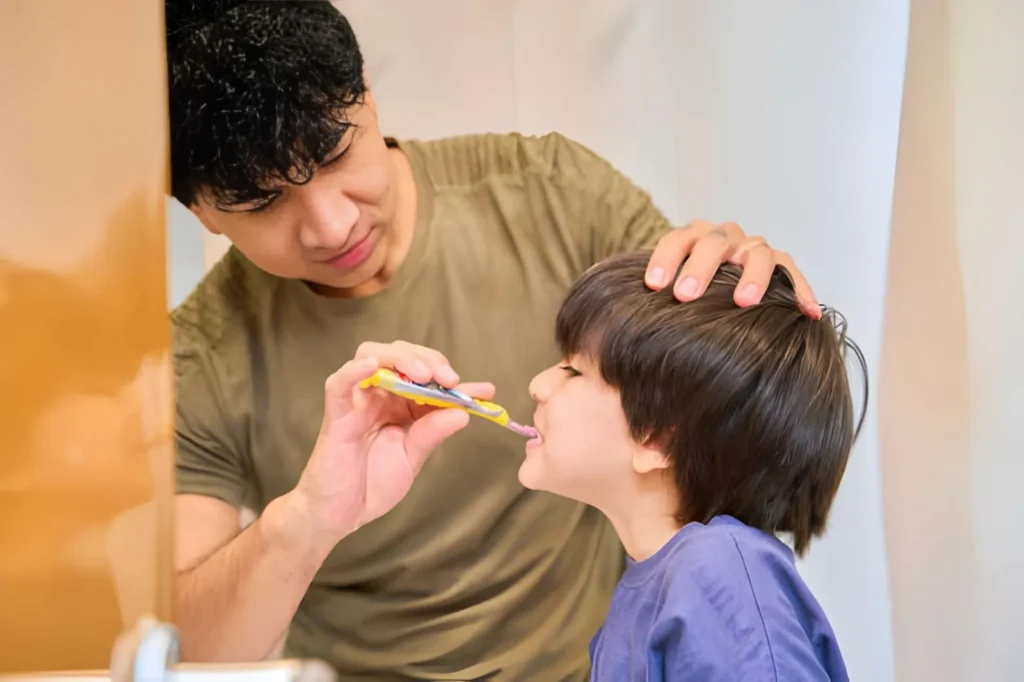

Most dental advice sounds simple from the outside. Brush twice a day. Clean between the teeth. See the dentist regularly. Avoid waiting until pain starts. That advice is not wrong, but it can miss the hard part for some families. A toothbrush may feel unbearable. Toothpaste may taste too strong. A dental chair may trigger panic. Tremor may make brushing uneven. Dry mouth may make cavities more likely. Swallowing issues may turn a routine visit into something that needs extra planning. That is why dental care sometimes has to be built around the person, not around a generic routine.
Why Standard Dental Advice May Not Be Enough
A person can know what they are supposed to do and still struggle to do it every day. That is especially true when oral care is affected by sensory sensitivity, movement symptoms, fatigue, medication side effects, communication differences, or caregiver limits. For someone with autism, the challenge may begin before the toothbrush touches the mouth. The bathroom light may feel too bright. The sound of an electric toothbrush may be too much. The taste or foam of toothpaste may make brushing feel impossible. For someone with Parkinson’s, the problem may be different. The person may want to brush carefully but have tremor, stiffness, slower movement, dry mouth, swallowing trouble, or trouble holding the toothbrush long enough to clean well. In both cases, the goal is not to shame the person into better habits. The goal is to make the routine possible.
Autism Dental Care Often Starts Before the Appointment
Dental care for autistic patients often works best when the plan starts before the person arrives at the office. The visit may need to account for sensory triggers, communication preferences, timing, transitions, and trust. A family looking into autism dental care for brushing at home and dental visits may already know that the usual approach is not working. A child may refuse brushing. A teen may tolerate brushing but not flossing. An adult may avoid appointments because past dental visits felt overwhelming or unsafe. The dental team can often help by adjusting the visit. That may mean explaining each step before it happens, offering shorter visits, reducing unnecessary noise, allowing comfort items, using visual supports, or scheduling at a calmer time of day. Small changes can matter. For some patients, the goal of an early visit may not be a full cleaning. It may be sitting in the chair, meeting the hygienist, seeing the tools, and leaving without the visit becoming traumatic.
Home Brushing May Need a Different Setup
At-home brushing can also be adapted. Some people do better with a non-foaming toothpaste. Some need a softer toothbrush. Some tolerate a manual brush better than an electric one. Others need the opposite because an electric brush does more of the work. The routine may need to be broken into smaller steps. Walk into the bathroom. Touch the toothbrush. Put toothpaste on the brush. Brush one section. Rinse. Stop. Over time, those steps may become easier to combine. Caregivers can also track what makes brushing harder. Is it the taste? The sound? The bristles? The mirror? The time of day? The transition away from another activity? Once the hard part is named, the solution can be more specific. A patient who dislikes mint may not need more reminders. They may need a different toothpaste flavor. A patient who panics when surprised may not need a stricter rule. They may need a predictable sequence.
Parkinson’s Oral Health Has Its Own Challenges
Parkinson’s can make oral care harder in ways that may not be obvious at first. Tremor and rigidity can interfere with brushing. Slowness can make a simple routine take longer. Facial, tongue, and jaw symptoms can affect chewing, swallowing, speech, saliva, and denture fit. A person trying to understand Parkinson’s oral health, brushing, dry mouth, and dental visits is often dealing with more than cavities. The real issue may be whether the daily routine still matches the person’s current movement, medication schedule, and energy level. Dry mouth is a common concern because saliva helps protect the teeth and soft tissues. When the mouth stays dry, the risk of decay, soreness, denture discomfort, and trouble eating may rise. That means Parkinson’s dental care should not be limited to the question, “Are you brushing?” A better question is, “Can you still brush effectively, and what is making it harder?”
Dry Mouth Should Be Taken Seriously
Dry mouth can feel like a minor symptom until it starts affecting daily life. It can make it harder to chew, swallow, speak, wear dentures, or sleep comfortably. It can also raise the risk of tooth decay because saliva helps wash away food particles and acids. For a person with Parkinson’s, dry mouth may come from medication, changes in saliva, mouth breathing, hydration issues, or other medical factors. The dentist and physician may need to review the medication list together. Helpful steps may include sipping water, using products recommended by a dentist, avoiding alcohol-based mouth rinses, using fluoride as directed, and treating cavities early. Dentists may also recommend more frequent cleanings or preventive care depending on the person’s risk. The key is to mention dry mouth before it turns into broken teeth, mouth sores, or denture problems.
Dental Visits May Need to Be Shorter and More Planned
Some patients do better with one long dental appointment. Many do not. Autistic patients may need shorter visits because of sensory overload, anxiety, communication needs, or difficulty tolerating touch around the face. Parkinson’s patients may need shorter visits because of fatigue, stiffness, swallowing risk, medication timing, or difficulty staying comfortable in the chair. Planning can make the visit safer and less stressful. For autistic patients, the office may ask what has helped in other medical settings. Does the patient prefer direct explanations or minimal talking? Are bright lights a problem? Does the patient need extra time before reclining? Would a first visit focused only on familiarization help? For Parkinson’s patients, the appointment may work better when timed around medication. The patient may need extra time to get in and out of the chair. The dental team may also need to consider swallowing, saliva, tremor, and jaw movement. The best dental visit is not always the fastest one. It is the one the patient can complete safely.
Caregivers Can Help Without Taking Over
Caregivers often see the details that patients forget to mention. They may know that brushing is skipped at night, that toothpaste burns, that dentures are loose, or that the person coughs when rinsing. That information can help the dental team adjust care. But caregivers should also avoid turning every dental conversation into a correction session. The patient still deserves dignity, privacy, and as much control as possible. A caregiver can help by keeping a short oral-health note:
- What part of brushing is hardest
- Whether bleeding gums are present
- Whether dry mouth is worse at certain times
- Whether the patient coughs or chokes while rinsing
- Whether dentures fit differently
- Whether dental pain has changed eating habits
- Which appointment times work best
This turns the visit into a practical conversation instead of a vague report that brushing is “not going well.”
Questions Patients and Families Often Ask
Can a dentist adjust care for sensory needs?
Yes. Many dental teams can adjust the visit by changing the pace, explaining steps clearly, reducing sensory triggers where possible, allowing breaks, or using shorter familiarization visits. Families should call before the appointment to explain what has and has not worked before.
What if brushing is a daily struggle?
The routine may need to be changed instead of repeated the same way. A different toothbrush, toothpaste, flavor, time of day, grip, mirror setup, or step-by-step sequence may help. A dentist can also suggest preventive strategies if brushing remains difficult.
Why does Parkinson’s make dental care harder?
Parkinson’s can affect movement, muscle control, swallowing, saliva, fatigue, and the ability to brush thoroughly. These changes can make home care and dental visits harder even when the person understands what needs to be done.
Should dry mouth be mentioned at a dental visit?
Yes. Dry mouth can increase the risk of cavities and make eating, speaking, swallowing, and denture use harder. The dentist may recommend preventive care, saliva-support products, fluoride, or coordination with the patient’s physician.
Before the Routine Breaks Down
Dental care should be realistic enough to survive daily life. For autistic patients, that may mean adjusting the sensory experience and building trust slowly. For Parkinson’s patients, it may mean adapting tools, timing visits around medication, and taking dry mouth seriously. The common thread is simple. A dental routine only works when the person can actually do it. When brushing, rinsing, sitting in the chair, or managing dry mouth becomes difficult, the answer is not to repeat generic advice louder. The answer is to change the plan.
Sources
American Dental Association, Considerations for Patients with Special Needs
Parkinson’s Foundation, Dental Health National Institute of Dental and Craniofacial Research, Dry Mouth