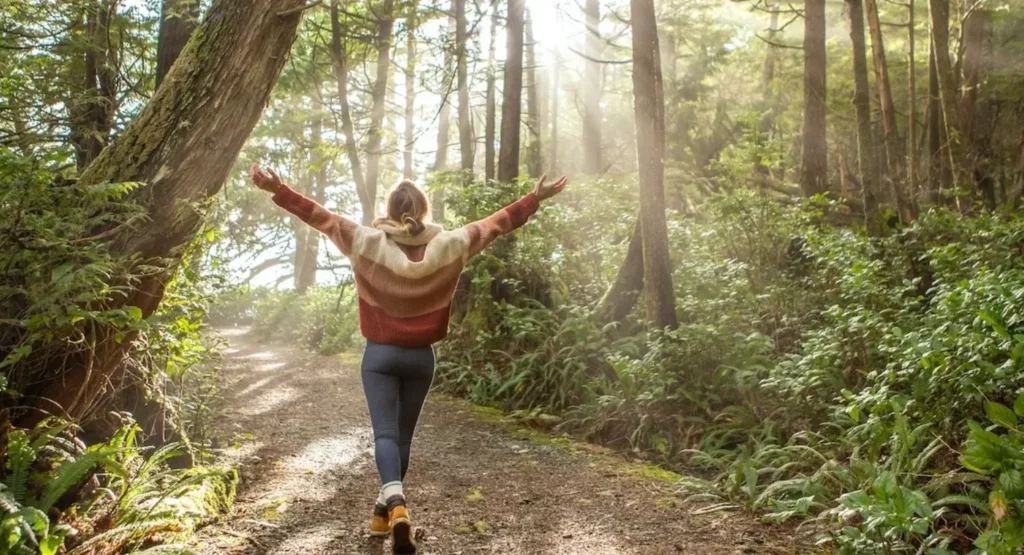

In today’s fast-paced digital world, many people spend most of their day indoors, surrounded by screens, artificial lighting, and constant distractions. While technology has made life more convenient, it has also reduced the amount of time people spend outdoors. Fortunately, reconnecting with nature is one of the simplest and most effective ways to improve both physical and mental well-being.
Whether it’s taking a walk through a park, hiking in the mountains, relaxing by a lake, or simply sitting under a tree, spending time in nature offers countless benefits. Scientific research has shown that regular exposure to natural environments can reduce stress, improve mood, strengthen the immune system, and even boost creativity.
The best part is that you don’t have to travel far or spend a lot of money. Even small amounts of time outdoors each week can have a significant positive impact on your health and quality of life. In this article, we’ll explore the many benefits of spending more time in nature and practical ways to make it part of your everyday routine.
Why Nature Is Important
Nature provides a peaceful escape from the pressures of modern life. It allows people to disconnect from constant notifications, busy schedules, and stressful environments while reconnecting with the natural world.
Being surrounded by trees, plants, fresh air, and natural sounds creates an environment that promotes relaxation and healing. Humans have evolved alongside nature for thousands of years, making outdoor environments naturally comforting and restorative.
1. Reduces Stress and Anxiety
One of the biggest benefits of spending time outdoors is stress reduction.
Natural settings help lower cortisol, the body’s primary stress hormone. Listening to birds, feeling the breeze, and observing greenery can create a calming effect that reduces feelings of tension and worry.
Ways Nature Reduces Stress
- Lowers blood pressure
- Slows heart rate
- Reduces muscle tension
- Improves emotional balance
- Creates a sense of peace
Even a 20–30 minute walk in a nearby park can help you feel calmer and more relaxed.
2. Improves Mental Health
Nature has a powerful impact on emotional well-being. Spending time outdoors can reduce symptoms of anxiety, depression, and emotional exhaustion.
Many mental health professionals recommend outdoor activities as part of a healthy lifestyle because they naturally improve mood and reduce negative thinking.
Mental Health Benefits
- Better emotional stability
- Reduced anxiety
- Lower depression symptoms
- Increased happiness
- Improved self-esteem
Natural environments encourage mindfulness and help people focus on the present moment.
3. Boosts Physical Health
Outdoor activities naturally encourage movement. Walking, cycling, hiking, gardening, and playing sports all improve overall fitness while allowing you to enjoy fresh air.
Regular physical activity in nature supports:
- Heart health
- Healthy blood pressure
- Weight management
- Stronger muscles
- Better flexibility
Unlike indoor workouts, outdoor exercise often feels less repetitive and more enjoyable.
4. Strengthens the Immune System
Trees release natural compounds called phytoncides, which may help improve immune function.
Spending time outdoors also increases exposure to fresh air and sunlight, helping the body function more effectively.
Benefits include:
- Increased white blood cell activity
- Better resistance to illness
- Improved respiratory health
- Reduced inflammation
Combining regular outdoor exercise with a healthy diet can strengthen your body’s natural defenses.
5. Increases Vitamin D Levels
Sunlight is the body’s primary source of Vitamin D.
Vitamin D is essential for:
- Strong bones
- Healthy teeth
- Muscle function
- Immune health
- Mood regulation
Just 10 to 30 minutes of sunlight exposure several times a week can help maintain healthy Vitamin D levels, depending on skin type and weather conditions.
6. Improves Sleep Quality
People who spend more time outdoors often experience better sleep.
Natural sunlight helps regulate the body’s internal clock, also known as the circadian rhythm. Exposure to daylight during the morning and afternoon makes it easier to fall asleep at night.
Better sleep leads to:
- Increased energy
- Better concentration
- Improved mood
- Stronger immune function
- Enhanced productivity
A daily walk outside can make a noticeable difference in sleep quality.
7. Enhances Creativity
Nature gives the brain a break from constant digital stimulation.
Many artists, writers, designers, and entrepreneurs spend time outdoors to stimulate creative thinking.
Benefits include:
- Better problem-solving
- Increased imagination
- Improved focus
- Fresh ideas
- Greater innovation
Stepping away from screens often allows the mind to think more clearly.
8. Improves Concentration and Productivity
Natural environments help restore attention and reduce mental fatigue.
People who regularly spend time outdoors often experience:
- Better memory
- Increased concentration
- Improved learning ability
- Faster decision-making
- Greater workplace productivity
Students and professionals alike can benefit from taking short outdoor breaks during the day.
9. Encourages Regular Exercise
Nature makes physical activity more enjoyable.
Instead of forcing yourself to exercise indoors, outdoor environments naturally motivate movement.
Popular outdoor activities include:
- Walking
- Running
- Hiking
- Cycling
- Swimming
- Gardening
- Playing sports
People are more likely to stick with exercise routines when they enjoy the environment.
10. Supports Heart Health
Regular outdoor exercise contributes to better cardiovascular health.
Benefits include:
- Lower cholesterol
- Reduced blood pressure
- Better circulation
- Stronger heart muscles
- Lower risk of heart disease
Combining exercise with fresh air provides even greater health benefits.
11. Builds Stronger Family Relationships
Nature encourages quality time without digital distractions.
Families can enjoy activities such as:
- Picnics
- Camping
- Nature walks
- Fishing
- Bird watching
- Outdoor games
Shared outdoor experiences create lasting memories while strengthening relationships.
12. Promotes Mindfulness
Nature naturally slows people down.
Instead of constantly multitasking, being outdoors encourages mindful observation of sounds, colors, scents, and textures.
Mindfulness benefits include:
- Reduced stress
- Better emotional control
- Increased gratitude
- Greater self-awareness
- Improved mental clarity
Even sitting quietly in a garden for a few minutes can help restore emotional balance.
Easy Ways to Spend More Time in Nature
You don’t need expensive vacations or long hiking trips to enjoy nature.
Simple ideas include:
- Walk through your neighborhood park.
- Eat lunch outside.
- Start a small garden.
- Ride your bicycle instead of driving.
- Visit a local nature reserve.
- Take weekend hikes.
- Read a book outdoors.
- Practice yoga in a park.
- Watch the sunrise or sunset.
- Go camping with family or friends.
Small daily habits can provide long-term health benefits.
Tips for Making Nature Part of Your Routine
Creating an outdoor habit doesn’t have to be difficult.
Here are some practical tips:
- Schedule daily outdoor breaks.
- Walk during phone calls.
- Replace screen time with evening walks.
- Explore new parks each month.
- Plan outdoor family activities.
- Keep comfortable walking shoes ready.
- Join local hiking or cycling groups.
- Spend at least 20–30 minutes outside several times each week.
Consistency is more important than spending long hours outdoors.
Conclusion
Spending more time in nature is one of the easiest and most affordable ways to improve your overall well-being. From reducing stress and anxiety to boosting physical health, strengthening the immune system, improving sleep, and enhancing creativity, the benefits are both immediate and long-lasting.
In a world filled with busy schedules and constant digital distractions, making time for nature can help restore balance to your life. Whether you choose to walk in a nearby park, hike through a forest, relax by the water, or simply enjoy your backyard, every moment spent outdoors contributes to better health and greater happiness.
Start with small changes, stay consistent, and make nature a regular part of your lifestyle. Your mind, body, and overall quality of life will thank you.
Also Read About: How to Live Well on a Tight Budget: Smart Tips for Saving Money Without Sacrificing Quality of Life