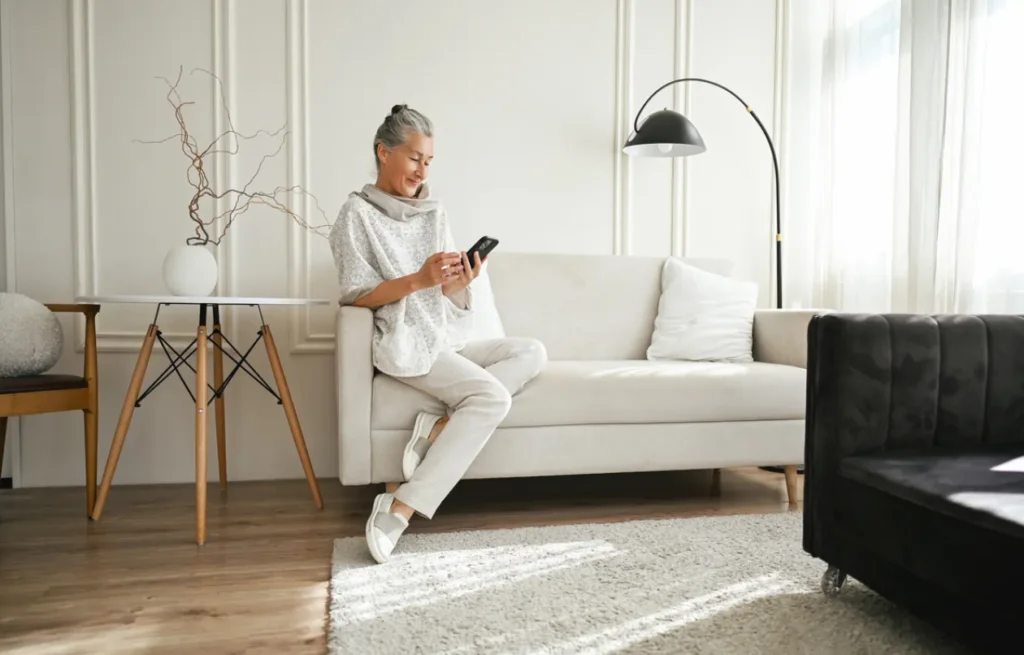

Your home should be a place where you can unwind, recharge, and escape from the stress of daily life. However, busy schedules, clutter, noise, and poor organization can make even the most beautiful house feel overwhelming. The good news is that creating a peaceful home doesn’t always require expensive renovations or designer furniture. Small, thoughtful changes can transform your living space into a relaxing retreat.
Whether you live in a spacious house or a compact apartment, learning how to make your home feel more relaxing can improve your mood, reduce stress, and even support better sleep. By focusing on comfort, organization, lighting, and personal touches, you can create an environment that promotes calmness every day.
In this guide, you’ll discover practical and affordable ways to turn your home into a sanctuary where you genuinely enjoy spending time.
Declutter Your Living Space
One of the biggest obstacles to a relaxing home is clutter. Excess items create visual distractions and can increase feelings of stress and anxiety.
Start by removing things you no longer use or need. Organize shelves, clear countertops, and find storage solutions for everyday items. You don’t need a perfectly minimalist home, but keeping spaces tidy makes them feel more open and peaceful.
Try decluttering one room at a time instead of tackling the entire house in a single day. Small progress is easier to maintain.
Choose Soft and Calming Colors
Color has a significant impact on how a room feels. Bright, bold colors can energize a space, while softer tones encourage relaxation.
Some calming color choices include:
- Light blue
- Soft gray
- Warm beige
- Sage green
- Cream
- Pale lavender
- Gentle white
You don’t have to repaint your entire home. Adding neutral blankets, cushions, curtains, or rugs can instantly soften the atmosphere.
Improve Your Lighting
Lighting plays a major role in creating a relaxing environment.
Instead of relying only on bright overhead lights, layer your lighting throughout the room.
Ideas include:
- Table lamps
- Floor lamps
- Warm LED bulbs
- String lights
- Candles (real or flameless)
Natural sunlight is equally important. Open your curtains during the day to let sunlight brighten your rooms and improve your mood.
In the evening, switch to warm lighting that helps your body prepare for restful sleep.
Add Comfortable Textures
Comfortable materials make any room feel more inviting.
Consider adding:
- Soft throw blankets
- Plush pillows
- Cozy rugs
- Linen bedding
- Cotton curtains
- Upholstered furniture
Mixing different textures creates warmth without making a room feel crowded.
During colder months, layered blankets and thick rugs make your home especially cozy.
Bring Nature Indoors
Plants naturally create a peaceful atmosphere while improving indoor air quality.
Easy indoor plants include:
- Snake Plant
- Peace Lily
- Spider Plant
- Pothos
- ZZ Plant
- Aloe Vera
If maintaining plants isn’t your strength, high-quality artificial plants can still provide a natural look.
Fresh flowers also brighten a room and introduce pleasant natural scents.
Create a Relaxation Corner
Every home benefits from having one dedicated area for rest.
Your relaxation corner doesn’t need to be large.
It could include:
- A comfortable chair
- Good lighting
- A small side table
- Your favorite books
- A blanket
- A candle
- A cup of tea
This becomes your personal space for reading, meditation, journaling, or simply enjoying a few quiet moments each day.
Reduce Noise
A noisy home can make it difficult to truly relax.
Simple ways to reduce unwanted noise include:
- Thick curtains
- Area rugs
- Upholstered furniture
- Door draft stoppers
- White noise machines
- Soft background music
Playing gentle instrumental music or nature sounds can also create a calming environment.
Use Pleasant Scents
Smell strongly influences emotions and memories.
Relaxing scents include:
- Lavender
- Vanilla
- Chamomile
- Sandalwood
- Cedarwood
- Eucalyptus
- Jasmine
You can introduce these fragrances through:
- Essential oil diffusers
- Candles
- Wax melts
- Fresh flowers
- Linen sprays
Avoid using overpowering fragrances, as subtle scents are usually more relaxing.
Keep Your Bedroom Peaceful
Since quality sleep affects overall well-being, your bedroom deserves special attention.
Create a calming bedroom by:
- Keeping electronics to a minimum
- Using blackout curtains
- Choosing comfortable bedding
- Maintaining a cool room temperature
- Removing unnecessary clutter
- Using soft lighting
Your bedroom should feel like a retreat rather than an extension of your workspace.
Personalize Your Space
Relaxation also comes from feeling emotionally connected to your home.
Decorate with meaningful items such as:
- Family photographs
- Travel souvenirs
- Artwork
- Handmade decorations
- Favorite books
- Sentimental keepsakes
Avoid overcrowding surfaces. Display only the items that truly make you happy.
Keep Your Home Clean
A clean home naturally feels calmer.
You don’t need to spend hours cleaning every day.
Simple daily habits can help:
- Make your bed each morning.
- Wash dishes after meals.
- Wipe kitchen counters.
- Vacuum regularly.
- Empty trash bins before they overflow.
- Return items to their proper places.
Regular maintenance prevents cleaning from becoming overwhelming.
Introduce Natural Materials
Natural materials create warmth and timeless beauty.
Consider incorporating:
- Wooden furniture
- Bamboo accessories
- Cotton fabrics
- Linen textiles
- Stone decorations
- Wicker baskets
These elements make interiors feel grounded and inviting while complementing nearly every decorating style.
Limit Digital Distractions
Technology can sometimes increase stress instead of reducing it.
Create technology-free zones where you can disconnect.
Ideas include:
- No television during meals
- Phone-free bedroom
- Reading before bedtime
- Screen-free mornings
- Scheduled quiet time
Reducing digital distractions allows you to enjoy your home more intentionally.
Maintain Comfortable Temperatures
Temperature affects both comfort and relaxation.
During winter:
- Use soft blankets.
- Seal drafts.
- Add warm rugs.
- Wear comfortable indoor clothing.
During summer:
- Improve ventilation.
- Use fans.
- Keep curtains closed during peak sunlight.
- Add breathable cotton fabrics.
Maintaining a comfortable indoor climate helps you feel relaxed throughout the year.
Keep Organized Storage Solutions
An organized home feels larger and more peaceful.
Useful storage options include:
- Decorative baskets
- Storage ottomans
- Floating shelves
- Closet organizers
- Under-bed storage boxes
- Drawer dividers
Good organization makes everyday routines easier and reduces visual clutter.
Practice Daily Relaxing Habits
A relaxing home isn’t only about decoration—it’s also about how you use the space.
Healthy daily habits include:
- Drinking tea in the morning
- Reading for 20 minutes
- Practicing meditation
- Stretching
- Listening to calming music
- Lighting a candle in the evening
- Spending quiet time with family
These small rituals help your home become associated with peace and comfort.
Budget-Friendly Ways to Make Your Home Feel More Relaxing
You don’t need a large budget to improve your living space.
Affordable ideas include:
- Rearranging furniture
- Adding secondhand décor
- Using soft lighting
- Decluttering regularly
- Hanging inexpensive artwork
- Buying affordable indoor plants
- Washing windows for more sunlight
- Replacing worn cushions
- Organizing shelves
- Using scented candles occasionally
Even small improvements can have a noticeable impact.
Final Thoughts
Learning how to make your home feel more relaxing is about creating an environment that supports your physical and mental well-being. A peaceful home doesn’t require luxury furniture or costly renovations—it simply requires thoughtful choices that make everyday life more comfortable.
Start with simple changes like decluttering, improving lighting, adding cozy textures, and introducing natural elements. Over time, these small adjustments will transform your home into a calming sanctuary where you can relax, recharge, and enjoy spending time with the people you love.
Remember, the most relaxing home is one that reflects your personality while providing comfort, simplicity, and peace. By making intentional improvements one step at a time, you’ll create a welcoming space that helps you feel happier and more at ease every day.
Also Read About: Benefits of Spending More Time in Nature