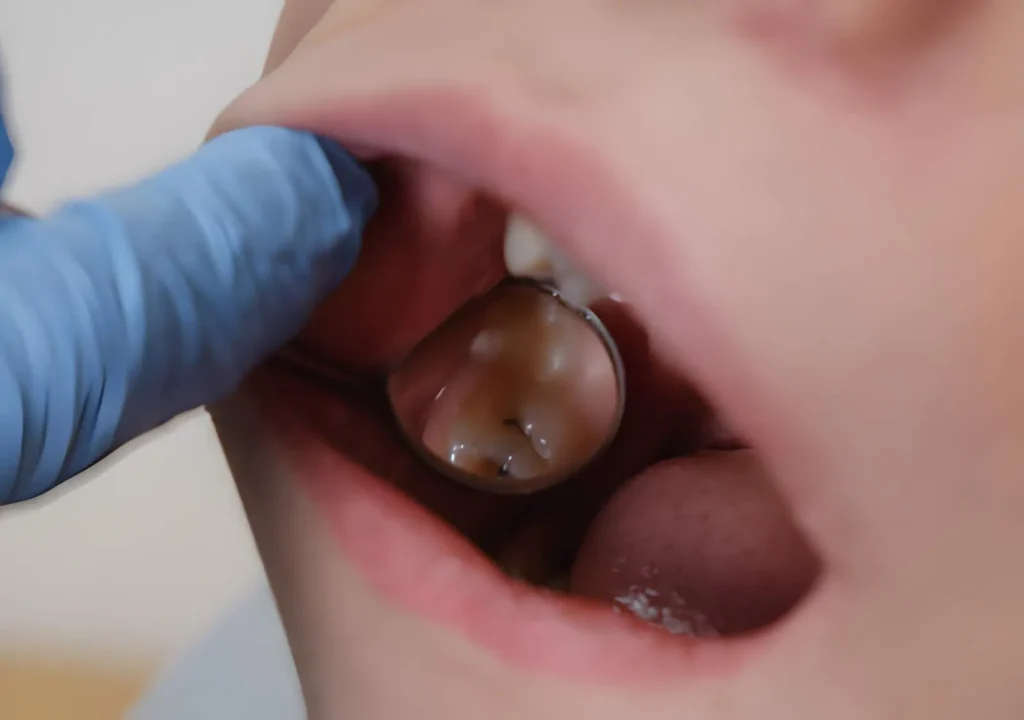

Decay works on a schedule of its own. Taking proactive care of a small cavity prevents it from reaching the nerve where complex root canal therapy becomes necessary. Understanding this progression helps Falls Church patients protect their natural teeth, maintain oral health effortlessly, and avoid costly restorative treatments down the road. This article follows that timeline for patients in Falls Church.
The Path Decay Takes Through a Tooth
Enamel gives way first, in a spot too small to feel. A practice such as a dental office Falls Church, VA, may catch that stage on a routine x-ray. Dentin sits underneath, with tiny tubes that lead toward the nerve. Decay spreads through that layer at a quicker pace.
Months pass with no symptom worth mentioning. Cold water may sting for a second, then settle. The tooth still looks normal in the mirror. Bacteria reach the pulp chamber during this quiet stretch.
Everyday Reasons a Cavity Goes Unnoticed in Falls Church
Cavities often develop quietly long before they cause pain, making routine checks essential even when your teeth feel fine. Everyday routines, missed checkups, and subtle lifestyle factors can all allow tooth decay to progress unnoticed until significant damage is done.
| Common Reason | How It Conceals Decay | Impact on Dental Health |
| Hidden Locations | Cavities between molars or tight spaces are hard to see in a mirror. | Decay spreads undisturbed without routine X-rays. |
| Delayed Symptoms | Tooth pain typically arrives late in the decay process. | Silence is mistaken for a healthy, decay-free tooth. |
| Routine Disruptions | Busy schedules or insurance changes cause missed checkups. | Preventive interventions and early treatments are skipped. |
| Frequent Sugar Intake | Sipping sugary drinks or coffee feeds bacteria repeatedly throughout the day. | Continuous acid production steadily wears down enamel. |
| Dry Mouth & Habits | Medication-induced dry mouth reduces protective saliva flow, and brushing can miss tight spots. | Acids linger longer on teeth, accelerating decay progression. |
What the Infection Does Once It Reaches the Pulp
The pulp holds nerves and blood vessels in a narrow chamber. Pressure inside that space presses on the nerve, which produces steady pain. Bacteria then travel down the canal toward the root tip. An abscess forms in the bone at the end of the root.
That pocket may drain into the gum, which eases pain for a while. Bone around the root can weaken as the infection settles in. For instance, a dental office in Falls Church, VA, treats this stage as urgent. Dental teams in Virginia rank a swollen face as an emergency.
Inside a Root Canal Appointment
The visit at an office in Falls Church starts with an x-ray of the root. Local anesthetic numbs the tooth, the gum around it. A small opening gives the dentist access to the pulp chamber. Fine instruments clear infected tissue from each canal.
- A rubber sheet that keeps the area dry through the visit
- Rinses that flush bacteria out of the canal
- A sealant that fills the space left behind
- A temporary filling until the crown is ready
Recovery in the Days That Follow
Soreness for two or three days counts as normal. Over-the-counter pain relief helps with the tenderness. Meals on that side stay light until the crown goes on.
An untreated cavity ends at the nerve, where a filling no longer helps. Root canal therapy clears the infection, then keeps the natural tooth in place. An exam with a licensed dentist in Falls Church shows how far decay has traveled. Early attention at a practice in Virginia keeps treatment simple, which may help improve daily comfort.