
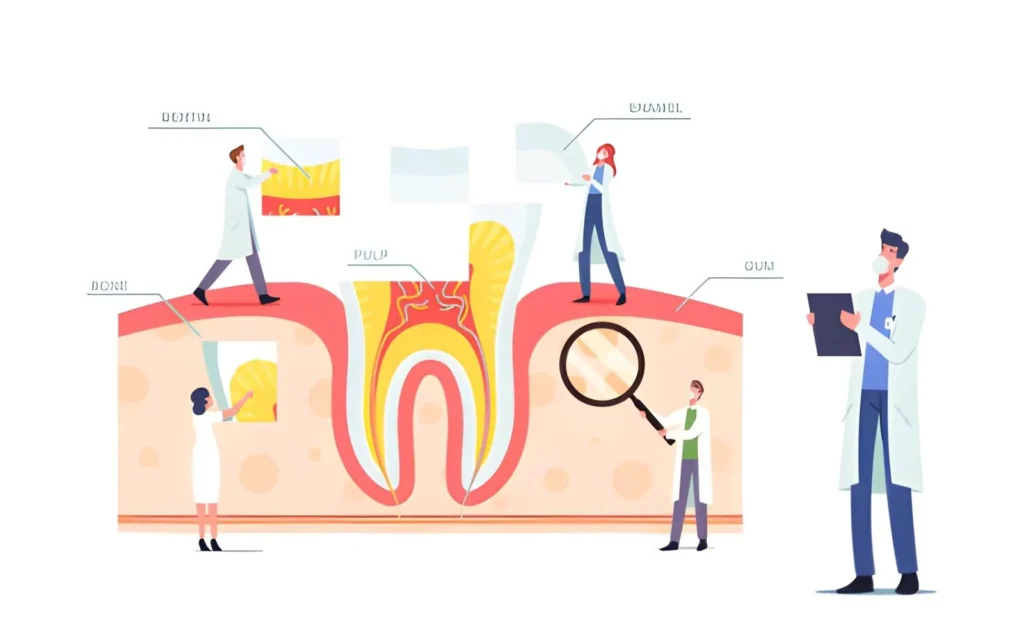

Severe tooth pain can develop when deep decay, cracks, or injury affect the soft pulp inside a tooth. Bacteria may then reach the pulp and cause inflammation or infection that cannot heal without appropriate care. Root canal therapy removes the affected tissue while preserving as much of the natural tooth as possible.
A dental examination helps establish whether symptoms come from damaged pulp or another oral problem. Centres like selkirk crossing dental provide root canal therapy for teeth affected by infection or inflammation within the pulp. The stages below explain what patients can expect from diagnosis through treatment, restoration, and follow-up care.
Diagnosis Finds the Source of Tooth Pain
A dentist first examines the affected tooth and asks about the type and duration of symptoms. Persistent pain, swelling, temperature sensitivity, or discomfort during chewing may indicate problems within the dental pulp. Tests can check how the tooth responds to temperature, pressure, and gentle tapping.
Symptoms That May Need Further Evaluation
- Persistent tooth pain: Pain that continues or returns regularly may indicate inflammation or infection within the pulp.
- Temperature sensitivity: Discomfort that lingers after hot or cold foods can signal irritation inside the tooth.
- Gum swelling: Swollen or tender tissue near one tooth may indicate an infection around the root area.
- Tooth discoloration: A tooth that becomes noticeably darker may have experienced internal pulp damage.
X-Rays Show Problems Beneath the Surface
Dental X-rays can reveal infection, bone changes, and other concerns that remain hidden during visual examination. Images also show the roots and surrounding structures before the dentist starts the procedure. This information helps the dental team plan treatment around the condition of the affected tooth.
Anesthetic Prepares the Tooth for Care
The dentist uses local anesthetic to numb the treatment area before accessing the inner tooth. Adequate numbness helps maintain patient comfort throughout the procedure and allows precise dental work. A dental dam may isolate the tooth and keep saliva away from the treatment site.
Damaged Pulp Is Carefully Removed
Small dental instruments remove infected or inflamed pulp from the chamber and root canals. Once the affected tissue has been removed, the dentist cleans and shapes the internal canal system. Shaping creates enough space for disinfecting solutions to reach areas within the treated canals.
Clean Root Canals Receive a Secure Seal
The dentist cleans the prepared canals to remove bacteria and remaining debris from internal spaces. Disinfecting solutions support this process and help prepare the canal system for its permanent filling. A rubber-like dental material called gutta-percha commonly fills the cleaned and shaped root canals.
Final Restoration Protects Tooth Structure
Root canal therapy treats the inside of a tooth, but the outside still requires adequate protection. The amount of healthy structure remaining helps determine which type of restoration the dentist recommends. A permanent filling may provide suitable protection for certain teeth with enough intact structure. A crown may be recommended when the treated tooth needs greater support against normal chewing forces.
Aftercare Supports Long-Term Tooth Health
Patients should follow individual instructions from their dentist because restorative needs can differ between teeth.
- Protect the treated tooth: Heavy chewing pressure should be limited until the dentist completes the recommended permanent restoration.
- Keep the area clean: Regular brushing and interdental cleaning help protect the restored tooth and surrounding gum tissue.
- Monitor unusual symptoms: Persistent swelling, severe pain, or noticeable bite changes should receive prompt professional assessment.
Root canal therapy follows a careful sequence that addresses internal infection and the tooth’s future function. Diagnosis, pulp removal, canal sealing, and final restoration each serve a distinct purpose during treatment. Selkirk crossing dental and similar clinics can assess affected teeth and determine suitable care based on their condition and restorative needs. Completing the recommended treatment and follow-up care can help preserve a natural tooth for continued everyday use.



Pingback: Key Factors to Evaluate When Selecting a Cardiac Care Provider - responshub.com